Soft and Fluffy White Lily Cookie Recipe Guide
Soft, Light, and Perfect Every Time

Why White Lily Flour Makes Better Cookies
Most people don’t understand why their cookies turn dense, dry, or heavy. The problem is usually the flour. White Lily flour is made from soft winter wheat, which has a lower protein content than regular all-purpose flour. That means less gluten development, which creates softer, lighter, fluffier cookies. If you want bakery-style cookies without complicated techniques, using White Lily flour is the simplest upgrade. This white lily cookie recipe proves exactly how much difference the right flour makes.
What Makes These Cookies Better Than Regular Ones
People underestimate softness. A good cookie should have:
Crisp edges
Soft centers
Light crumb
Even spread
Balanced sweetness
White Lily flour gives you all of that naturally. It helps cookies bake evenly, prevents toughness, and creates that melt-in-your-mouth texture everyone loves. You don’t need expert baking skills; the flour does half the work for you.
Ingredients for the Best White Lily Cookie Recipe
Keep it simple. Cookies don’t need complicated ingredient lists.
White Lily all-purpose flour (2 ¼ cups)
Unsalted butter, softened (1 cup)
Granulated sugar (½ cup)
Brown sugar (1 cup, packed)
Eggs (2 large)
Vanilla extract (2 teaspoons)
Baking soda (1 teaspoon)
Salt (½ teaspoon)
Chocolate chips (1 ½ cups)
Optional add-ins: chopped pecans, walnuts, white chocolate, toffee bits
These ingredients deliver softness, flavor, and structure. Don’t replace the flour — using anything else ruins the signature texture.
Why Brown Sugar Matters
Brown sugar adds moisture, depth, and chewiness. It also helps cookies stay soft longer. That’s why you use more brown sugar than white sugar in this recipe. The goal is a soft, rich cookie — not a dry, crunchy one.
Step-by-Step: How to Make the Perfect White Lily Cookies
Follow these steps exactly if you want consistent results.
Step 1: Cream the Butter and Sugars
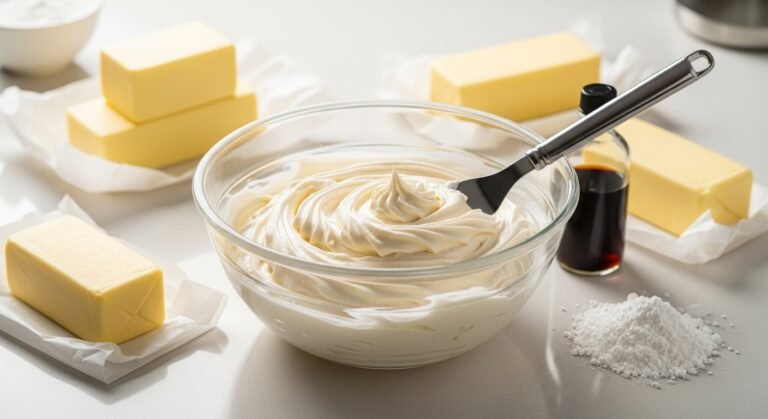
Beat softened butter with both sugars
Mix until fluffy and pale
This step creates air pockets that help cookies rise properly
If you under-mix, cookies turn dense. Don’t rush it.
Step 2: Add Eggs and Vanilla
Add eggs one at a time
Beat well after each addition
Add vanilla extract
Good mixing here ensures smooth texture and better flavor.
Step 3: Combine Dry Ingredients
In a separate bowl, mix:
White Lily flour
Salt
Baking soda
Don’t skip the separate mixing — it avoids clumps and uneven baking.
Step 4: Add Dry to Wet
Add the dry mixture gradually
Mix slowly until combined
Don’t over-mix — stop as soon as the flour disappears
Over-mixing builds gluten and ruins the softness.
Step 5: Add Chocolate Chips
Fold in chocolate chips
You can also add nuts for crunch
Distribute them evenly so every cookie gets a good amount.
Step 6: Chill the Dough
Chill for 30 minutes minimum
Chilled dough:
Spreads less
Bakes thicker
Holds shape
Deepens flavor
Warm dough leads to flat, oily cookies. Chilling is not optional.
Step 7: Shape and Bake
Preheat oven to 350°F (175°C)
Scoop cookie dough balls (1–2 tbsp size)
Place them spaced out on a lined tray
Bake 10–12 minutes
Edges should be set, centers slightly soft
Don’t overbake — cookies continue cooking after removal.
Step 8: Cool Properly
Let cookies cool on tray for 5 minutes
Move to wire rack
Cooling solidifies texture and prevents breakage.
That’s the full white lily cookie recipe — simple steps, big results.
Why Chilling the Dough Changes Everything
Chilling controls spread, enhances flavor, and improves structure.
If you bake unchilled dough:
Cookies flatten
Edges burn
Centers dry out
Chocolate chips melt into a mess
If you chill:
Cookies bake thicker
Flavors deepen
Texture becomes soft in the center and crisp around the edges
It’s one of the most important steps in cookie baking.
Variations of the White Lily Cookie Recipe
Once you know the base recipe, you can create multiple versions without messing things up.
White Lily Chocolate Chunk Cookies
Replace chips with big chocolate chunks
Richer and more dramatic texture
White Lily Brown Butter Cookies
Brown the butter before using
Nutty, caramelized flavor
Chill longer since browned butter is liquid
White Lily Peanut Butter Cookies
Add ½ cup peanut butter
Add extra 2-3 tablespoons flour for balance
Soft and chewy
White Lily Oatmeal Chocolate Cookies
Replace ½ cup flour with oats
Adds chewiness and flavor depth
White Lily White Chocolate Cranberry Cookies
Sweet + tart combination
Perfect for holidays
White Lily Toffee Cookies
Add toffee bits
Creates caramelized crunch
Every variation works because White Lily flour keeps the texture soft.
Tips for the Best Results
Here’s where people screw up or cut corners:
Use room-temperature butter
Don’t melt it
Use room-temperature eggs
Measure flour properly
Don’t pack flour — scoop and level
Chill dough
Use parchment paper
Don’t overcrowd the tray
Bake until just set, not fully cooked
Follow these and your cookies will turn out perfectly every single time.
How to Fix Cookie Problems
If cookies spread too much:
Dough wasn’t chilled
Butter was too soft
Add 2–3 tablespoons extra flour
If cookies are dry:
You overbaked
Reduce bake time
Use more brown sugar next batch
If cookies taste bland:
You didn’t use enough salt or vanilla
If cookies taste too floury:
You added too much flour
Measure correctly next time
Why White Lily Flour Changes the Texture
White Lily flour has:
Lower protein
Softer wheat
Finer texture
Higher starch content
All of this results in fluffy, tender cookies with lighter crumb. Other flours create denser texture. That’s why Southern baking uses White Lily for biscuits, cakes, and soft baked goods — it simply performs differently.
Storing Your Cookies the Right Way
Proper storage keeps cookies soft for days.
Room Temperature
Store in airtight container
Lasts 5–6 days
Add a slice of bread to keep them soft
Freezing Dough
Roll dough into balls
Freeze on tray
Store in freezer bag
Lasts 3 months
Bake straight from freezer — add 1–2 minutes to bake time.
Freezing Baked Cookies
Cool completely
Store in airtight bag
Lasts 2 months
Thaw at room temperature for best texture.
Serving Ideas
Serve cookies with:
Milk
Ice cream
Coffee
Hot chocolate
Warm them slightly before serving for softer centers.
Healthy or Lightened Versions
If you want a lighter version:
Use less sugar
Replace some butter with applesauce (not too much)
Use dark chocolate instead of milk chocolate
Add nuts for healthy fats
Replace some flour with oats
It won’t be “low calorie,” but still cleaner.
Why This Recipe Works for Anyone
Beginner-friendly
Minimal ingredients
No complicated techniques
Predictable results
Flexible for adjustments
Uses widely available ingredients
White Lily flour makes baking easier
This is the type of recipe you can repeat without failure.
Frequently Asked Questions
Can I use regular flour?
You can, but the texture won’t be as soft.
Can I skip chilling?
No — cookies will spread too much.
Can I use salted butter?
Yes, reduce added salt.
Can I use margarine?
Not recommended — ruins flavor.
Why are my cookies puffy?
You over-measured the flour.
Can I add cocoa powder?
Yes, replace ¼ cup flour with cocoa.
Final Thoughts
A white lily cookie recipe gives you soft, bakery-style cookies without complicated steps or advanced baking skills. White Lily flour makes cookies lighter, fluffier, and more tender than standard flour. When combined with brown sugar, butter, chocolate chips, and proper chilling, you get perfect cookies every single time. Clean steps, simple ingredients, and reliable results — that’s what makes this recipe a winner.