Fluffy and Rich Sweet Potato Souffle Recipe
The Only Guide You Need
Why Sweet Potato Soufflé Deserves More Respect
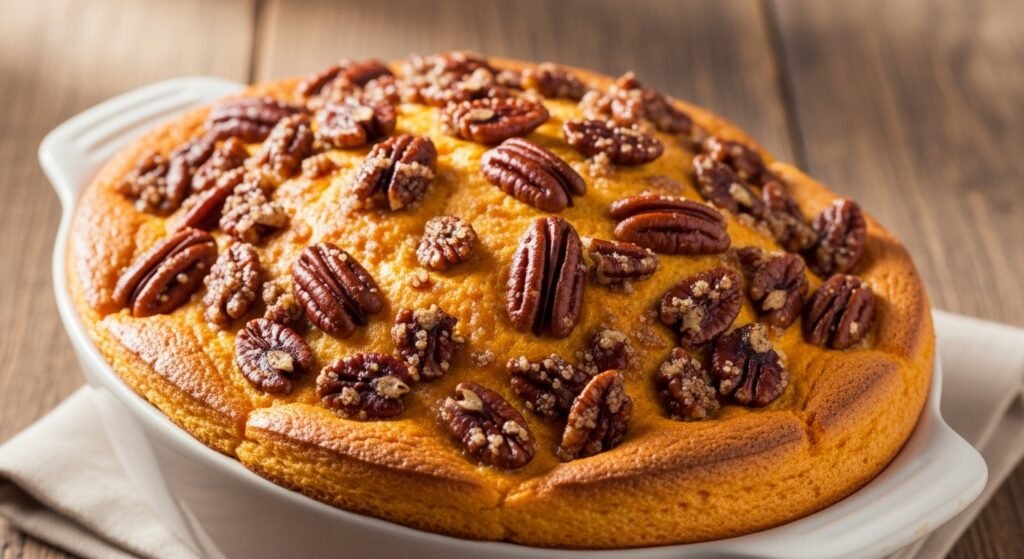
Sweet potato soufflé has a reputation problem. Most people think it’s just another version of mashed sweet potatoes with sugar dumped on top. That’s the rookie version. A proper sweet potato soufflé is smooth, airy, balanced, and structured — not a dense, cloying casserole pretending to be dessert. When done right, it sits between a classic soufflé and a Southern-style comfort dish: fluffy texture, rich flavor, and a golden topping that cracks perfectly with each bite.
If you want that result, you can’t treat it like a last-minute side dish. You need proper mixing, proper baking technique, and the right ratio of sweet potatoes to fat and eggs. Otherwise, you end up with mush.
Ingredients You Actually Need
Don’t start swapping ingredients randomly and then wonder why your soufflé collapses or tastes bland. These are the essentials:
For the Souffle Base
- 4 large sweet potatoes (around 3 lbs), cooked and peeled
- 1/2 cup unsalted butter, melted
- 1/2 cup sugar (don’t overdo it or it becomes dessert)
- 1/4 cup milk
- 3 large eggs
- 1 tsp vanilla extract
- 1/2 tsp salt
- 1/2 tsp cinnamon
- Optional: pinch of nutmeg
For the Topping
Choose one — not both, unless you want a sugar bomb.
Classic Streusel Topping:
- 1/2 cup brown sugar
- 1/3 cup all-purpose flour
- 1/3 cup butter, softened
- 1 cup chopped pecans
OR Marshmallow Topping:
- Mini marshmallows (enough to cover the top)
If you want a souffle that’s actually respectable, the pecan topping is the way to go. Marshmallows are fine, but they turn the dish into a dessert for kids.
How to Cook Sweet Potatoes the Right Way
The texture of your souffle depends entirely on how smooth your sweet potatoes are. Don’t be sloppy here.
Bake, Don’t Boil
Boiling makes potatoes watery and kills flavor. Baking concentrates sweetness and keeps texture firm.
- Bake at 400°F (200°C) for about 1 hour.
- Peel once cooled enough to handle.
Mash Properly
Use:
- A mixer
- A food processor
- Or a potato ricer
Don’t mash with a fork unless you want lumps — lumps ruin the “souffle” texture.
Creating a Smooth and Balanced Base
Once your sweet potatoes are mashed properly, the rest is about mixing intentionally.
Step 1: Add Butter and Sugar First
Butter melts into the warm potatoes and helps distribute sweetness evenly.
Step 2: Add Milk and Vanilla
They thin out the mixture slightly, making it easier to fold in eggs.
Step 3: Add Eggs Last
Beat them lightly before adding. Eggs are what make it a souffle, not a mash.
If you add eggs too early while potatoes are piping hot, you’ll scramble them. That’s a rookie mistake.
Why Eggs Matter for the Souffle Texture
This isn’t a traditional French souffle, but eggs still do the heavy lifting.
- Yolks add richness
- Whites give lift and airiness
- The mixture becomes silky instead of dense
If you want extra lift, you can separate the eggs, whip the whites to soft peaks, and fold them in gently. This step isn’t required, but it does make a lighter, more restaurant-style souffle.
Mixing: The Step Most People Mess Up
Sweet potato souffle needs to be mixed thoroughly — but not aggressively. Overmixing knocks the air out. Undermixing leads to streaky batter and uneven rise.
Here’s the sweet spot:
- Mix until fully combined
- Stop once texture is smooth
- Don’t beat for more than 1–2 minutes
How to Make the Topping
You don’t need complicated toppings to make this dish great. You just need a balanced, crunchy, golden layer.
Streusel Topping
- Combine brown sugar, flour, and softened butter.
- Add pecans.
- Mix lightly — don’t turn it into paste.
The topping should crumble, not smear.
Marshmallow Topping
Add mini marshmallows in the last 10–15 minutes of baking. If you add them early, they’ll burn.
Baking: Timing Makes or Breaks It
This is where mistakes become obvious.
Correct Baking Temperature
Bake at 350°F (175°C).
Baking Time
Bake the souffle base for:
- 30–35 minutes uncovered
Add topping:
- Streusel: add before baking
- Marshmallows: add at the end
A perfect souffle should:
- Be golden around the edges
- Jiggle slightly in the center
- Not look wet or glossy on top
If it’s firm all the way through, you overbaked it. If it’s runny, you underbaked it.
Achieving the Perfect Souffle Texture
Here’s the simple logic:
If your souffle is too dense → you didn’t mix correctly or your potatoes were too wet
If it’s too soft → you didn’t bake long enough or added too much milk
If it collapses → you overmixed or opened the oven door early
It’s not rocket science — just respect the chemistry.
Serving Sweet Potato Souffle the Right Way
This dish is best served warm. Not hot, not cold.
Serve It With:
- Roasted turkey
- Chicken
- Ham
- BBQ meats
- Holiday spreads
- Simple vegetable sides
The souffle brings sweetness and richness, so balance it with savory dishes. Don’t pair it with sweet mains unless you’re aiming for dessert.
Texture Expectation
A real souffle should be:
- Soft
- Creamy
- Airy
- Slightly fluffy
- With a crisp topping
If it tastes like mashed sweet potatoes with sugar, you didn’t make a souffle — you made baby food.
How to Store and Reheat Sweet Potato Souffle
This dish stores surprisingly well, but only if you do it right.
Refrigeration
- Store up to 3–4 days
- Cover tightly to prevent drying
Freezing
- Freeze without topping for best results
- Thaw overnight in fridge
Reheating
- Oven: 300°F (150°C), 15–20 minutes
- Microwave: works, but ruins the top
Add fresh topping after reheating for best results.
Variations That Actually Work
There are many “creative versions” online, but most of them wreck the balance. These are the ones worth trying:
1. Healthy Version
Swap:
- Half the sugar for maple syrup
- Butter for coconut oil
- Milk for almond milk
Don’t reduce eggs — they’re essential.
2. Extra-Spiced Version
Add:
- Cinnamon
- Nutmeg
- Cloves
- Ginger
This makes it more dessert-like with warm flavors.
3. Savory Version
Skip the sugar entirely and add:
- Parmesan cheese
- Black pepper
- Garlic
- Thyme
This pairs well with roasted meats.
4. Marshmallow-Pecan Hybrid
Add a thin layer of streusel and top with a small amount of marshmallows. The key is not drowning the dish in sugar.
Common Mistakes and How to Avoid Them
If your souffle didn’t turn out, it’s probably due to one of these mistakes:
Using watery sweet potatoes
Boiling ruins the texture.
Adding eggs too early
You’ll end up with scrambled pieces.
Overbaking
The souffle becomes dry and cakey.
Using too much sugar
Sweet potato souffle should be slightly sweet, not a dessert overload.
Overmixing
Kills the airiness completely.
Opening the oven door early
A souffle isn’t stable — it collapses with temperature shock.
Why Sweet Potato Souffle Works With Any Meal
It bridges savory and sweet:
- Sweetness complements spice and salt
- Creaminess adds richness
- Airiness keeps it light
- Crunchy topping adds contrast
That’s why it works on holiday tables, potlucks, or even as a weekday side.
Final Thoughts
Sweet potato souffle shouldn’t be treated as a simple side — it’s a dish built on texture, balance, and technique. If you follow the ratios, mix properly, bake carefully, and avoid shortcuts, you’ll end up with a souffle that’s smooth, fluffy, and deeply flavorful.
If you take shortcuts — boiling potatoes, skipping proper mixing, dumping marshmallows everywhere — you’ll get a mediocre, overly sweet mush.