Perfect Prime Rib Roast Made Easy at Home
The Ultimate Guide to a Perfectly Juicy Roast

Why Prime Rib Is Special and Why You Should Make It Right
Prime rib isn’t some casual cut of meat. It’s premium, expensive, and unforgiving if you mess it up. Most people dry it out, overcook it, or ruin the crust because they guess instead of following a clear method. If you’re paying good money for this cut, you’d better cook it properly so every slice is tender, juicy, and full of flavor. This guide strips away the nonsense and shows you the exact steps that actually work.
Understanding the Cut: What Exactly Is Prime Rib?
Prime rib comes from the rib section of the cow. It’s marbled, tender, and naturally flavorful.
You need to know the basics before you cook it.
Key Features of Prime Rib
- Rich marbling that melts during roasting
- Thick fat cap that protects the meat
- Tender rib meat that doesn’t need marination
- Best cooked medium rare to medium
You don’t need complicated marinades, overnight soaking, or fancy tricks. The meat already has the flavor — your job is not to ruin it.
Bone-In vs Boneless Prime Rib: Which One Is Better?
This is where people get confused. Both work, but they behave differently.
Bone-In
- Gives better flavor
- Cooks more evenly
- Retains moisture better
- Harder to slice
Boneless
- Easier to carve
- Cooks slightly faster
- Still flavorful, but not as juicy
If you want the most impressive result, go bone-in. If you want convenience, go boneless.
How Much Prime Rib Do You Actually Need?
Stop guessing. Use simple math.
Serving Size Guide
- Bone-in: 1 rib per 2 people
- Boneless: 225–300g per person
A typical 4-rib roast feeds 6–8 people comfortably.
The Essential Ingredients
You don’t need a long list of ingredients. You just need the right ones.
Ingredients
- 1 prime rib roast (bone-in or boneless)
- 2–3 tablespoons kosher salt
- 1 tablespoon black pepper
- 1 tablespoon garlic powder
- 1 tablespoon fresh rosemary (optional)
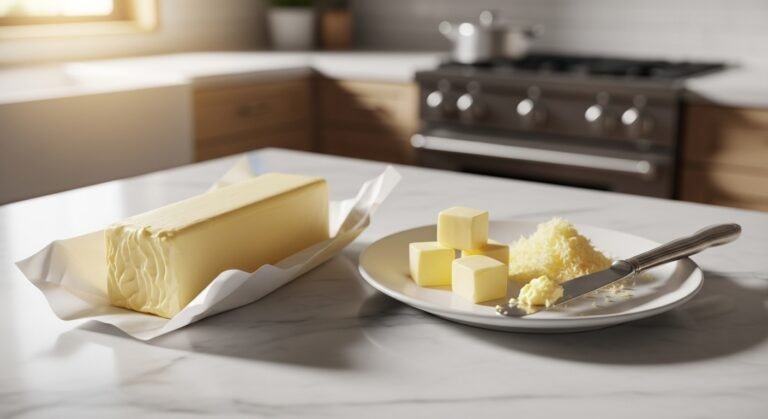
- 1 tablespoon butter (optional for basting)
That’s it. Don’t drown prime rib in spices — it kills the natural flavor.
Bring the Meat to Room Temperature First
Don’t put cold meat into a hot oven. This creates uneven cooking — raw inside, overcooked outside.
Let the roast rest at room temperature for 2–3 hours before cooking.
This step alone makes a massive difference.
The Dry Brine Method: The Secret to Perfect Prime Rib
If you want a crusty outside and juicy inside, dry brine it.
How to Dry Brine
- Pat meat dry with paper towels
- Rub salt generously all over
- Refrigerate uncovered for 12–24 hours
Salt penetrates the meat, enhances flavor, and dries the surface so you get a good crust.
Don’t skip this.
Preparing the Roast Before Cooking
Right before roasting, add black pepper, garlic powder, and rosemary.
Optionally rub butter over the fat cap for a deeper crust.
Make sure the fat side is facing up — this allows the melting fat to baste the meat naturally.
The Two-Stage Cooking Technique (Best Method)
This is the foolproof, restaurant-grade approach.
Stage 1: Low and Slow
- Preheat oven to 120°C (250°F)
- Roast until internal temperature reaches:
- 48°C (118°F) for rare
- 50°C (122°F) for medium rare
- 54°C (130°F) for medium
This slow roasting keeps the meat tender and evenly pink throughout instead of grey and dry.
Stage 2: The High-Heat Blast (Reverse Sear)
Once the roast reaches your target internal temp:
- Remove it from the oven
- Rest it for 20–30 minutes
- Increase oven to 250°C (480°F) or use a hot grill
- Sear for 10 minutes until the crust forms
This gives you the perfect combination:
- Juicy center
- Crispy crust
- Even color edge-to-edge
Why Resting the Roast Is Non-Negotiable
If you cut the roast immediately, all the juices spill onto the board and the meat becomes dry.
Resting allows the juices to redistribute.
Minimum rest: 20 minutes
Ideal rest time: 30–40 minutes
Don’t rush this — resting determines how juicy your roast is.
Carving the Prime Rib Properly
If you slice it wrong, you’ll ruin the texture.
Carving Steps
- Remove bones (if bone-in) by slicing along the rack
- Turn the roast on its side
- Slice against the grain into thick slices
- Serve immediately
Thicker slices stay juicier.
Make a Simple, Bold Jus (Optional But Recommended)
Don’t waste the drippings. Turn them into a rich, flavorful sauce.
Ingredients
- Pan drippings
- 1 cup beef broth
- 1 tablespoon butter
- 1 teaspoon flour (optional for thickening)
Method
- Heat pan drippings in a saucepan
- Add broth
- Reduce until slightly thick
- Add butter for shine
This enhances the meat without overpowering it.
Don’t Over-Season the Meat — Let the Beef Stand Out
A prime rib already has rich flavor. Too much seasoning or complicated spice mixes bury the taste.
Stick to the basics:
- Salt
- Pepper
- Garlic
- Herbs if needed
Your job is to enhance the beef, not drown it.
Best Side Dishes to Serve with Prime Rib
Keep sides simple and complementary.
Perfect Pairings
- Garlic mashed potatoes
- Creamed spinach
- Roasted vegetables
- Yorkshire pudding
- Red wine gravy
- Buttered asparagus
Don’t serve heavy, overly flavored sides that compete with the meat.
How to Store Leftover Prime Rib (Without Drying It Out)
Leftover prime rib can taste amazing if stored correctly — but only if you avoid drying it.
Storage Method
- Slice thick
- Wrap in foil
- Store in airtight container
- Refrigerate for 3–4 days
Thin slices dry out. Thick slices retain moisture.
How to Reheat Prime Rib Without Ruining It
Most people reheat prime rib wrong and turn it into rubber.
Here’s the correct method.
Gentle Reheat
- Preheat oven to 120°C (250°F)
- Place slices in a pan with a splash of broth
- Cover with foil
- Heat for 10–15 minutes
Do NOT microwave. You’ll destroy the texture.
Avoid These Common Mistakes
Most ruined roasts come from avoidable errors.
Here’s what NOT to do.
Biggest Mistakes
- Cooking on high heat the whole time
- Skipping resting time
- Cutting into it too early
- Over-seasoning
- Using a cold roast straight from the fridge
- Forgetting to use a meat thermometer
A thermometer isn’t optional — it’s mandatory.
The Meat Thermometer: Your Best Friend
Guessing leads to overcooking.
Use a thermometer to know exactly when the roast is done.
Insert it into the thickest part, away from bones and fat pockets.
Final Thoughts: Great Prime Rib Comes From Technique, Not Luck
Prime rib isn’t hard to cook — but it punishes laziness and bad habits.
If you follow these steps, you’ll get:
- Perfect crust
- Juicy center
- Soft texture
- Even cooking
Whether you’re cooking for a holiday, a party, or just to impress someone, this recipe delivers every time.