Best Pineapple Upside Down Cake Recipe (Super Moist & Caramelized Perfectly)
A Complete Step-by-Step Guide
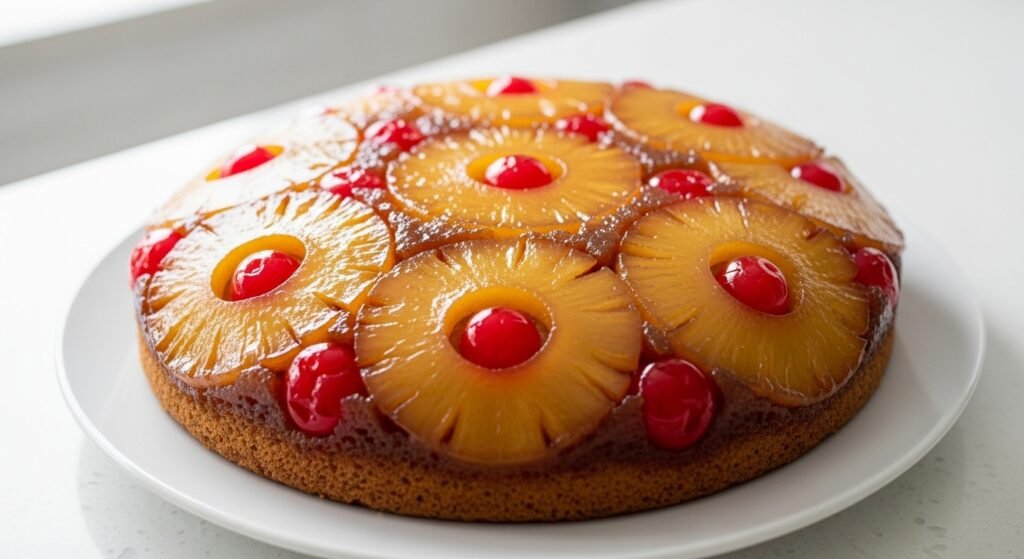
If you’re searching for a pineapple upside down cake recipe that’s foolproof, rich in flavor, and perfectly caramelized every single time, stop overthinking. Most recipes online repeat the same shallow steps but skip the real reasons why cakes turn soggy, dense, or burnt on the top. The truth is: this recipe is simple, but only if you understand the logic behind each step.
This guide breaks it down brutally clearly — ingredients, method, mistakes, science, variations, storage, and expert-level tips. Follow this and you won’t mess it up.
What Makes a Good Pineapple Upside Down Cake?
A great pineapple upside down cake comes down to three things:
- Proper caramel base (too much butter = greasy cake, too little sugar = pale top)
- Balanced batter (the fat, sugar, eggs, and flour ratio decides texture)
- Correct baking method (wrong temperature = gummy center)
If any of these fail, your cake collapses. Fix them → perfect cake.
Ingredients You Actually Need (No Random Add-Ons)
For the topping
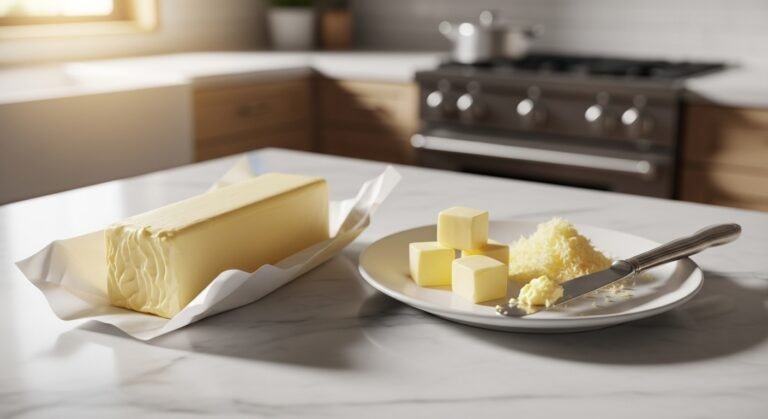
- ¼ cup (60g) butter
- ½ cup (100g) brown sugar
- Pineapple slices (fresh or canned, but canned gives consistency)
- Maraschino cherries (optional, but classic)
For the cake batter
- 1½ cups (190g) all-purpose flour
- 1 cup (200g) granulated sugar
- ½ cup (120ml) milk
- ⅓ cup (75g) butter, softened
- 2 eggs
- 1½ tsp baking powder
- ½ tsp salt
- 1 tsp vanilla extract
That’s it. You don’t need cinnamon, nutmeg, yogurt, almond flour, or other “Pinterest” nonsense. Keep it simple.
Step-by-Step Pineapple Upside Down Cake Recipe
1. Prepare the caramel topping
Melt the butter in a pan and add the brown sugar. Stir for 1–2 minutes until it becomes thick and glossy. Don’t let it burn — burnt sugar = bitter cake.
Pour this mixture into your baking dish and spread evenly.
2. Arrange the pineapple
Place pineapple rings over the caramel layer. Put cherries in the center of each ring. This isn’t just decoration — fruit placement affects moisture. Don’t overcrowd the pan.
3. Make the cake batter
Beat the softened butter and sugar until pale and fluffy. This step matters: air incorporated here determines the cake’s rise.
Add eggs one at a time. Mix well.
Add vanilla.
In another bowl, mix flour, baking powder, and salt. Fold this dry mix into the wet batter alternately with milk. Do not overmix — that creates a dense cake.
4. Assemble
Pour the batter over the pineapple layer. Smooth the top gently.
5. Bake
Bake at 180°C (350°F) for 35–45 minutes until the top is golden and a toothpick comes out clean.
6. Flip
Rest 10 minutes. Don’t flip immediately — the cake will break.
Invert onto a plate in one confident motion.
Done.
Why This Recipe Works (The Straightforward Science)
Brown sugar + butter = controlled caramel
Brown sugar melts evenly and prevents crystallization. White sugar burns too fast.
Canned pineapple = consistent moisture
Fresh pineapple varies in acidity and moisture. Canned gives predictable results — key for beginners.
Creaming method = lighter cake
Beating butter and sugar traps air. That’s your real “leavening agent” even more than baking powder.
Resting before flipping prevents cracks
The structure needs time to set. Flip too soon = disaster.
Common Mistakes and How to Avoid Them
1. Soggy cake
Cause: too much pineapple juice
Fix: pat slices dry before layering
2. Dense texture
Cause: overmixing the batter
Fix: fold gently, stop as soon as flour disappears
3. Pale caramel top
Cause: not cooking sugar long enough
Fix: melt sugar until it thickens slightly
4. Cake sticking to the pan
Cause: scraping the caramel while hot
Fix: wait 10 minutes before flipping
5. Burnt edges
Cause: using a dark metal pan
Fix: reduce temperature by 10°C if the pan is dark
Variations You Can Try (Without Ruining the Cake)
Mini upside down cupcakes
Bake in muffin tins — 15–20 minutes. Same steps.
Coconut twist
Add ¼ cup coconut flakes to the batter. Don’t add too much or it becomes dry.
Rum pineapple cake
Add 1–2 tbsp rum to the caramel. Don’t overdo it.
Fresh pineapple version
Blanch slices for 2–3 minutes to soften. Otherwise they stay too firm.
Vegan version
Swap butter → coconut oil
Eggs → ½ cup applesauce
But be honest: the original version tastes better.
How to Serve It Like You Know What You’re Doing
- Serve warm; that’s when the caramel flavor is strongest.
- Add a scoop of vanilla ice cream if you want to go overboard.
- Slice cleanly using a sharp serrated knife.
- Don’t refrigerate before serving — cold cake = hard caramel.
Storage Instructions
Room Temperature
Lasts 1–2 days covered.
Keep it away from heat — caramel melts.
Refrigerator
3–4 days.
Reheat in microwave for 10–15 seconds per slice.
Freezer
Up to 2 months.
Wrap tightly in cling film + foil.
Frequently Asked Questions
Can I use fresh pineapple?
Yes, but soften it first. Fresh fruit can also cause curdling if too acidic.
Do I have to use cherries?
No. They’re traditional, not essential.
Why did my cake shrink?
You overmixed or overbaked it.
Can I make this a day earlier?
Yes, but the top won’t be as glossy. Reheat before serving.
Conclusion
This is the most straightforward, no-nonsense pineapple upside down cake recipe you’ll find. No storytelling, no irrelevant memories about grandma’s kitchen — just real technique, clear steps, and explanation of what actually matters.
Follow the method exactly, understand the logic behind each step, and you’ll pull off a perfect cake that looks good, smells insane, and tastes like you actually know how to bake.