Easy Homemade Miso Soup Recipe for Comfort Bowls
Miso Soup Recipe
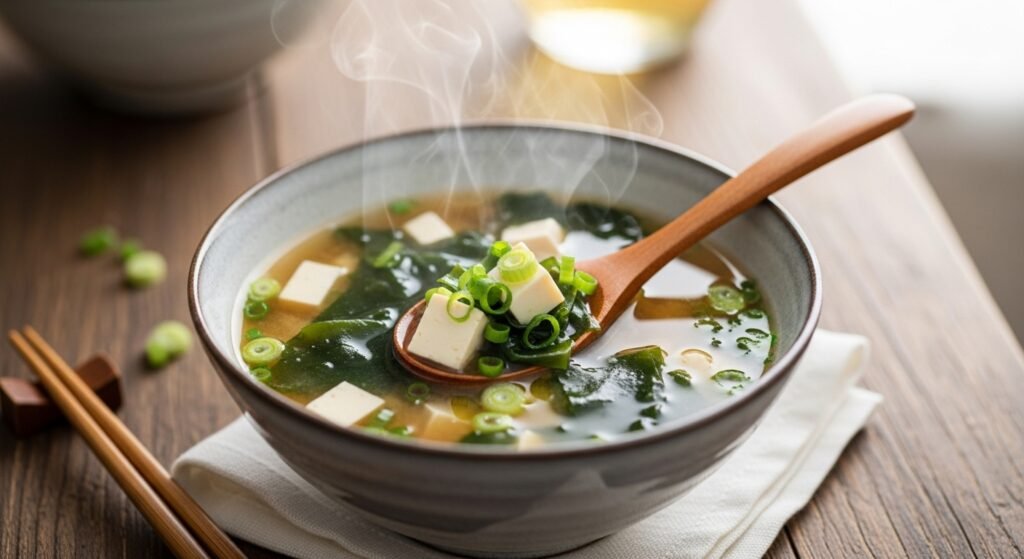
Miso soup is one of the simplest yet most comforting dishes you can make. It’s fast, nourishing, and built from just a few core ingredients that deliver deep umami flavor with minimal effort. But most people either oversimplify it or complicate it with unnecessary steps. You’re getting a clean, direct guide that explains exactly how to make proper miso soup at home—authentic, flavorful, and balanced.
What Makes Miso Soup Unique
Miso soup isn’t just broth with miso paste thrown in. The flavor comes from a combination of two foundational components:
1. Dashi (Japanese Soup Stock)
This is the backbone. It provides:
- Umami
- Depth
- A clean, ocean-like aroma
Without dashi, miso soup tastes flat.
2. Miso Paste
Fermented soybean paste. It brings:
- Saltiness
- Richness
- Body
- Slight sweetness
The balance between these two is what creates the classic taste.
Understanding Different Types of Miso
You can’t blindly use any miso paste. Each type has a unique flavor profile.
White Miso (Shiro Miso)
- Mild
- Slightly sweet
- Best for beginners
Yellow Miso
- Balanced
- Light saltiness
- Great everyday choice
Red Miso (Aka Miso)
- Stronger
- Deeper umami
- Best for richer soups
Mixed Miso (Awase Miso)
- Most versatile
- Balanced flavor
For a classic miso soup, white or yellow miso works best.
Core Ingredients You Need for Miso Soup
No nonsense, just what matters:
- 4 cups dashi stock
- 3 tablespoons miso paste
- ½ cup tofu cubes (soft or medium)
- 2–3 tablespoons sliced green onions
- ½ cup wakame seaweed (rehydrated)
Why These Ingredients Work
- Dashi gives umami.
- Miso gives salt and richness.
- Tofu adds protein and soft texture.
- Wakame provides sea aroma and minerals.
- Green onions brighten the flavor.
This is the backbone of every proper miso soup.
How to Make Dashi (The Right Way)
Don’t skip this if you want authentic flavor. Instant dashi works, but homemade tastes better.
Ingredients for Kombu Dashi
- 1 piece kombu (dried kelp)
- 4 cups water
Steps
- Wipe kombu gently—don’t wash.
- Add to a pot with water.
- Slowly heat until just below boiling.
- Remove kombu before boiling.
This creates a clean, delicate stock.
Adding Bonito Flakes (Katsuobushi)
For a deeper broth:
- Add a handful of bonito flakes after removing kombu.
- Let steep for 2 minutes.
- Strain.
Now you have true Japanese-style dashi.
How to Prepare Tofu and Wakame
Tofu
Cut tofu into small cubes (½ inch).
Use medium-firm or soft tofu—never extra firm.
Wakame
Use dried wakame.
- Soak 5 minutes
- Drain
- Add to soup
It expands a lot, so don’t use too much.
The Correct Way to Add Miso Paste
This is where people mess up.
DON’T boil miso.
Boiling destroys flavor and beneficial enzymes.
How to Add Miso Properly
- Turn off heat or keep on low.
- Add miso paste to a ladle.
- Mix with hot broth inside the ladle.
- When fully dissolved, stir into the soup.
This keeps flavor authentic and smooth.
Step-by-Step Classic Miso Soup Recipe
Here’s the full process in clean steps:
- Heat dashi in a pot over medium.
- Add wakame and tofu cubes.
- Simmer gently for 2–3 minutes.
- Turn heat to low.
- Dissolve miso paste using the ladle method.
- Stir gently—don’t boil.
- Add green onions.
- Serve immediately.
Why Serve Immediately?
Miso loses flavor the longer it sits.
Fresh miso soup always tastes best.
Flavor Variations That Actually Improve Miso Soup
1. Mushroom Miso Soup
Add:
- Shiitake Mushrooms
- Enoki Mushrooms
Adds earthy depth.
2. Vegetable Miso Soup
Add:
- Carrot slices
- Daikon radish
- Spinach
More texture and nutrients.
3. Egg Drop Miso Soup
Pour beaten egg into the soup while stirring gently.
4. Spicy Miso Soup
Add:
- Chili oil
- Gochujang (tiny amount)
Careful not to overpower the miso.
5. Chicken Miso Soup
Add shredded cooked chicken for a fuller meal.
6. Noodle Miso Soup
Add:
- Udon
- Ramen noodles
- Soba
Makes it a complete bowl.
Pairing Suggestions
Miso soup plays best as part of a meal.
Perfect Pairings
- Sushi
- Rice bowls
- Teriyaki chicken
- Grilled fish
- Japanese curry
- Tempura
The soup balances heavy dishes with light, salty warmth.
Common Mistakes to Avoid
Most bad miso soups fail because of these errors:
1. Boiling the miso
Ruins flavor and nutrition.
2. Using too much miso
Makes soup unbearably salty.
3. Adding tofu too early
It breaks apart—add it gently.
4. Using no dashi
Water + miso = flat, weak soup.
5. Overloading ingredients
Miso soup is meant to be light.
How to Fix Common Problems
Soup tastes flat
Add more dashi or a dash of soy sauce.
Too salty
Add water or extra tofu.
Flavor too strong
Use less miso next time or blend miso types.
Soup cloudy
You boiled the miso—don’t do that.
Nutritional Benefits
Miso soup isn’t just comfort food—it’s nutrient-rich.
Benefits
- Contains probiotics from fermented miso
- Helps digestion
- Low-calorie and filling
- Rich in minerals
- Anti-inflammatory
- Good for gut health
Just keep salt content in mind.
Storing and Reheating Miso Soup
Store the dashi + ingredients separately from miso.
If you store the soup with miso mixed in, the flavor suffers.
Refrigerator
- 2–3 days (dashi + tofu mixture)
- Add fresh miso when reheating
Freezer
- Dashi only (not miso or tofu)
Reheating
Heat gently—never boil once miso is added.
When to Serve Miso Soup
Miso soup works in many settings:
- Breakfast (traditional Japanese meal)
- Lunch starters
- Dinner side dish
- Quick comfort food
- Light meal with rice
It fits everywhere.
Final Thoughts
Miso soup is simple, quick, and deeply satisfying when made correctly. The key is using proper dashi, choosing the right miso, and adding the paste at the right time. Everything else—toppings, add-ins, and variations—is optional.
Stick to the basics, respect the ingredients, and you’ll always end up with a clean, warm, umami-rich bowl of authentic miso soup.