Easy Homemade Marinara Sauce Recipe Guide
Introduction
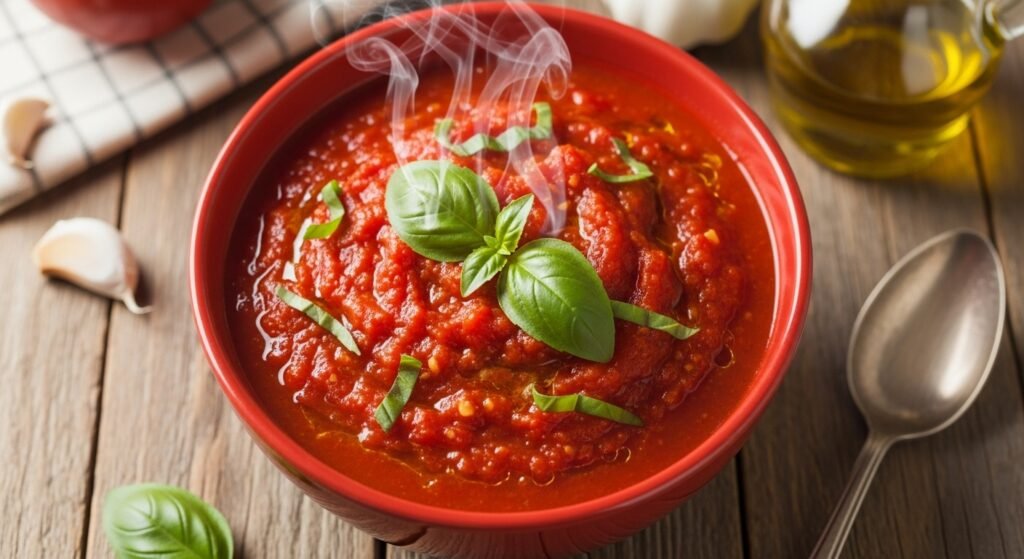
Marinara sauce is one of the simplest yet most essential sauces in Italian cooking. It’s bold, bright, and full of tomato flavor. You don’t need complicated ingredients or hours of simmering. The real magic comes from fresh tomatoes, garlic, herbs, and olive oil. Whether you’re making pasta, pizza, meatballs, or dipping sauce, a well-made marinara becomes the backbone of countless dishes.
This sauce originated in southern Italy, particularly Naples, where sailors used quick tomato-based sauces because they were easy to cook at sea. Today, marinara remains globally popular due to its speed, taste, and versatility. A good marinara sauce recipe gives you flexibility and a reliable base for many meals.
Why Homemade Marinara Sauce Is Better
Store-bought sauces are convenient, but they often contain preservatives, added sugar, and artificial flavors. Homemade marinara sauce gives you full control over taste, texture, and ingredients. You also avoid unnecessary oils and chemicals.
The biggest advantage is flavor purity. Fresh garlic sautéed in olive oil interacts beautifully with tomatoes to create a natural sweetness and rich aroma. You can adjust acidity with sugar, increase spice with chili flakes, or enhance aroma with basil and oregano. In short, you get a clean, custom, high-quality sauce every time.
Essential Ingredients for Marinara Sauce
A classic marinara sauce recipe uses only a handful of basic ingredients. Each one plays a specific role, and skipping or substituting can change the flavor significantly.
Tomatoes
Tomatoes are the foundation. Use:
- Fresh ripe tomatoes
- Canned whole peeled tomatoes
- Crushed tomatoes
- Tomato puree
Canned San Marzano tomatoes give the best taste due to low acidity and natural sweetness.
Garlic
Garlic adds depth and aroma. Fresh garlic is mandatory; avoid garlic powder.
Olive Oil
Extra virgin olive oil adds richness and helps bloom the garlic flavor. It also makes the sauce glossy and smooth.
Fresh or Dried Herbs
Herbs bring Italian character:
- Basil
- Oregano
- Parsley
- Thyme
Use fresh basil at the end for maximum aroma.
Salt and Pepper
These simple seasonings balance the sweetness and acidity of the tomatoes.
Optional Ingredients
These can enhance the complexity:
- Chili flakes for heat
- Sugar to reduce acidity
- Onion for sweetness
- Bay leaf for subtle depth
- Butter for extra richness
- Parmesan rind for savory flavor
Keep optional ingredients minimal to stay true to authentic marinara style.
How to Make Marinara Sauce Step by Step
Follow these steps to get a perfect marinara sauce every time.
Step 1: Heat the Olive Oil
Use a heavy-bottomed pan. Add a generous drizzle of extra virgin olive oil and let it warm on medium heat. Don’t overheat the oil or garlic will burn.
Step 2: Cook the Garlic
Add crushed or thinly sliced garlic. Sauté until fragrant and lightly golden. If it turns brown, the sauce becomes bitter, so stay alert.
Step 3: Add Tomatoes
Pour in crushed tomatoes or add fresh tomatoes that have been peeled and crushed. Stir well to mix with the garlic-infused oil.
Step 4: Add Herbs and Seasonings
Add oregano, basil stems (not leaves), salt, black pepper, and chili flakes if using them. Stir again to combine.
Step 5: Simmer the Sauce
Let the sauce simmer for 20–30 minutes on low heat. Stir occasionally to avoid sticking. Longer simmering creates deeper flavor, but marinara should still taste fresh and bright, not heavy or muted.
Step 6: Add Fresh Basil
Once the sauce is done simmering, remove basil stems and bay leaf if you used them. Add freshly chopped basil leaves for aroma.
Step 7: Blend or Leave Chunky
You can:
- Leave it chunky for rustic Italian pasta
- Use an immersion blender for a smooth, restaurant-style sauce
Both versions taste excellent.
Step 8: Taste and Adjust
Add:
- More salt if tomatoes taste dull
- A pinch of sugar if sauce is acidic
- Extra olive oil for silkier texture
Taste adjustment is what makes your marinara truly perfect.
Texture Variations to Try
Marinara sauce doesn’t have one fixed texture. Choose the type depending on the dish.
Chunky Marinara
Uses crushed tomatoes or chopped fresh tomatoes. Best for:
- Pasta with vegetables
- Meatballs
- Bruschetta
Smooth Marinara
Blended until creamy. Ideal for:
- Pizza
- Lasagna
- Dipping appetizers
Thick Marinara
Simmered longer to reduce water. Works for:
- Baked pasta dishes
- Eggplant Parmesan
Light Marinara
Thinner consistency. Ideal for:
- Seafood pasta
- Quick noodles
- Summer recipes
Different Types of Tomatoes to Use
Not all tomatoes perform the same. Here’s what works best.
San Marzano Tomatoes
Premium choice. Sweet, low-acid, rich flavor.
Roma Tomatoes
Affordable and balanced flavor.
Cherry Tomatoes
Sweet but require more cooking to break down.
Canned Crushed Tomatoes
Consistent texture, perfect for beginners.
Tomato Puree
Smooth but might need additional herbs for balance.
How to Choose the Best Olive Oil
The flavor of olive oil directly influences the sauce. Use:
- Cold-pressed
- Extra virgin
- Medium fruity acidity
Avoid cheap blended oils. The wrong oil gives a flat, greasy taste instead of fresh aroma.
How to Store Marinara Sauce
Marinara sauce stores extremely well.
Refrigerator Storage
Store in an airtight container for up to 5 days.
Freezer Storage
Freeze in small portions for up to 3 months. Use freezer-safe jars or bags.
Meal Prep Tip
Freeze in ice cube trays to create quick sauce cubes for single servings.
Best Ways to Use Marinara Sauce
A perfect marinara sauce recipe instantly unlocks dozens of meals. It’s far more than just pasta sauce. Use it smartly and it becomes your most versatile kitchen tool.
1. Classic Pasta Dishes
Use it with:
- Spaghetti
- Penne
- Fusilli
- Linguine
Add fresh basil and Parmesan for the best finish.
2. Pizza Base
Smooth marinara makes an excellent pizza sauce. Add a pinch of oregano and garlic powder to elevate flavor.
3. Meatball Sauce
Italian meatballs taste richer and juicier when simmered in marinara.
4. Eggplant Parmesan
The bright acidity of marinara cuts through the richness of cheese and fried eggplant.
5. Chicken Parmesan
A staple dish where marinara creates a perfect balance with crispy chicken.
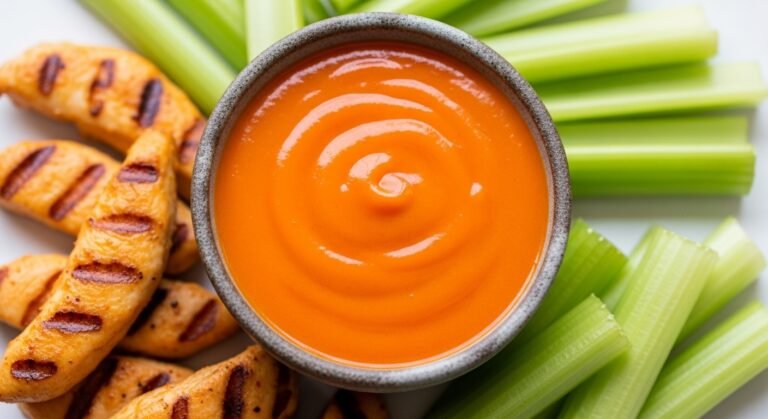
6. Dipping Sauce
Serve with:
- Garlic bread
- Mozzarella sticks
- Fried calamari
- Breadsticks
7. Shakshuka
Replace traditional tomato sauce with marinara for a quicker version.
8. Baked Pasta
Mix with pasta, top with cheese, and bake for a comforting dish.
9. Seafood Dishes
Marinara pairs beautifully with shrimp, clams, and mussels.
10. Sandwiches
Use as a spread for meatball or chicken subs.
Common Mistakes to Avoid
Most people make marinara sauce worse by overcomplicating it. Here are mistakes to avoid.
1. Burning the Garlic
This ruins the entire sauce. Cook garlic on medium-low flame.
2. Overloading Spices
Marinara is not meant to be heavily spiced. Keep it simple.
3. Using Too Much Sugar
Sugar should balance acidity, not sweeten the sauce intentionally.
4. Watering the Sauce
If the sauce becomes watery, simmer uncovered to thicken.
5. Not Using Enough Salt
Tomatoes need salt to enhance flavor.
6. Adding Herbs Too Early
Fresh basil loses aroma if cooked too long. Add at the end.
Health Benefits of Marinara Sauce
A homemade marinara sauce recipe isn’t just tasty — it’s healthy.
Rich in Lycopene
Tomatoes contain lycopene, an antioxidant linked to reduced risk of heart disease.
Low in Calories
Olive oil and tomatoes create a low-calorie, nutrient-rich sauce.
High in Vitamin C
Fresh tomatoes boost immunity and skin health.
Good for Digestion
Garlic helps improve digestion and gut health.
No Preservatives
Homemade marinara avoids additives found in packaged sauces.
How to Make Marinara in Under 15 Minutes
If you’re in a rush:
- Use canned crushed tomatoes
- Cook garlic quickly
- Skip long simmering
- Add fresh basil and olive oil for finishing
This gives you a fast but still flavorful sauce.
How to Customize Your Marinara Sauce
Once you master the base, adjust the recipe to suit different preferences.
For Spicy Marinara
Increase chili flakes or add fresh red chili.
For Creamy Marinara
Add butter or a splash of cream at the end.
For Smoky Marinara
Add smoked paprika or charred tomatoes.
For Herby Marinara
Use more oregano and parsley.
For Chunky Vegetable Marinara
Add onion, bell peppers, carrots, or mushrooms.
Final Thoughts
A marinara sauce recipe doesn’t need anything complicated. Good-quality tomatoes, fresh garlic, olive oil, and herbs are enough to create a reliable and delicious base for countless Italian dishes. When made correctly, marinara has a perfect balance of acidity, sweetness, and richness. You can use it for pasta, pizza, meatballs, seafood, baked dishes, and more.
Whether you’re a beginner or an experienced cook, this sauce is worth mastering. Once you taste your homemade version, you won’t go back to store-bought again.