Mac and Cheese Recipe: Ultra Creamy, Extra Cheesy & Ready in Minutes
Creamy, Cheesy & The Only Guide You’ll Ever Need
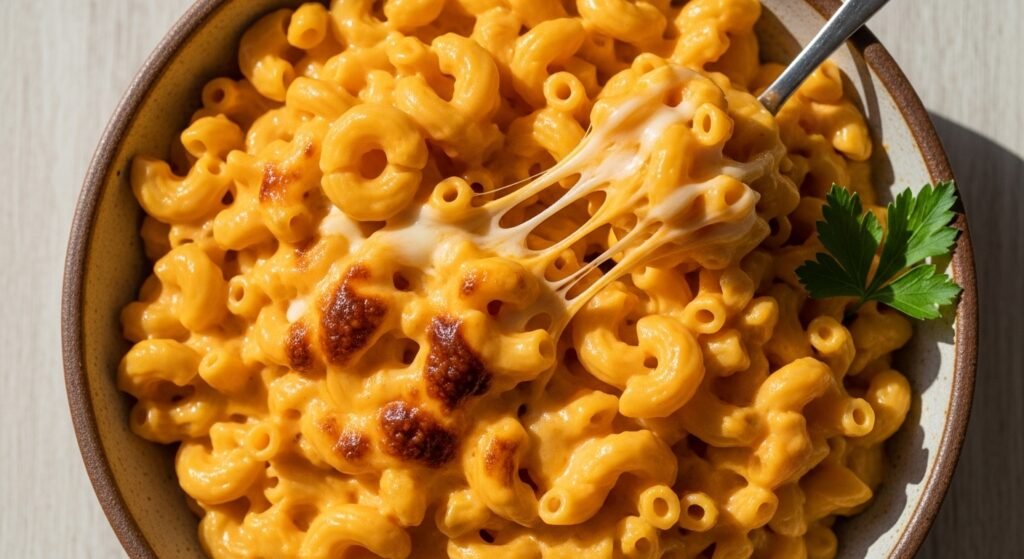
If you’re searching for the best mac and cheese recipe, you’re probably tired of watery sauces, grainy cheese mixtures, bland flavor, or recipes that pretend to be “creamy” but turn dry as soon as they cool. This guide fixes all of that with a simple, reliable, ultra-creamy mac and cheese recipe that works every single time. You get the technique, the ingredients, pro tips, mistakes to avoid, variations, and everything you need to make restaurant-level mac and cheese at home.
Why This Mac and Cheese Recipe Works
A great mac and cheese should be creamy, cheesy, smooth, comforting, and rich—but not overly heavy. Most bad mac and cheese happens because people use pre-shredded cheese, skip the roux, or combine wrong cheeses. This recipe avoids all major problems and gives you a perfect bowl of creamy mac and cheese that stays smooth even after cooling.
Ingredients for the Best Mac and Cheese Recipe
Serves 4–6 people
For the Pasta:
- 2 cups elbow macaroni (or any short pasta)
- Salt for boiling water
For the Cheese Sauce: - 4 tablespoons butter
- 4 tablespoons all-purpose flour
- 3 cups milk (whole milk preferred)
- 1 cup heavy cream (optional, but makes it richer)
- 2 cups freshly grated sharp cheddar
- 1 cup freshly grated mozzarella or Monterey Jack
- ½ cup parmesan (optional for flavor boost)
- 1 teaspoon mustard powder (or 1 teaspoon Dijon mustard)
- ½ teaspoon garlic powder
- ½ teaspoon onion powder
- Salt and pepper to taste
- Paprika or chili flakes (optional)
Mac and Cheese Recipe (Step-by-Step Guide)
1. Cook the pasta
Bring a large pot of salted water to a boil. Add the macaroni and cook until al dente (usually 1–2 minutes less than package instructions). Do NOT overcook—pasta continues to cook in the sauce after mixing. Drain the pasta and set aside.
2. Start the roux (the base of your cheese sauce)
In a large pot, melt butter over medium heat. Add flour and whisk continuously for 1–2 minutes until smooth. Don’t let the flour brown; you want a pale roux. This step thickens the sauce and prevents graininess.
3. Add milk and cream slowly
Pour in the milk gradually, whisking constantly to avoid lumps. Add the heavy cream and continue whisking until the mixture becomes smooth and begins to thicken.
4. Add seasonings
Add mustard powder, garlic powder, onion powder, salt, and pepper. Mustard enhances cheese flavor even if you hate mustard. Garlic and onion add depth without overpowering.
5. Add cheese OFF the heat
Turn off the heat and add cheddar, mozzarella, and parmesan. Stir until melted and smooth. Adding cheese over heat makes it grainy. Adding off heat ensures a silky sauce.
6. Combine pasta with cheese sauce
Add your cooked pasta into the cheese sauce and mix until every piece is coated. If sauce looks too thick, add a little milk. If too thin, let it sit for 1 minute; it thickens quickly.
7. Taste and adjust
Add salt, pepper, paprika, chili flakes, or extra cheese depending on what you like. Mac and cheese should taste bold—not mild.
Why This Technique Makes the Best Mac and Cheese
1. Freshly grated cheese melts perfectly
Pre-shredded cheese contains anti-caking chemicals that prevent smooth melting. Fresh shred = creamy sauce.
2. Roux + milk = stable sauce that won’t separate
This combination keeps your mac and cheese creamy for hours.
3. Mustard and seasoning add depth
Great mac and cheese isn’t just cheese and pasta.
4. Two types of cheese = perfect balance
Cheddar brings sharpness. Mozzarella or Monterey Jack brings creaminess. Parmesan brings salt and umami.
Mac and Cheese Variations You Should Try
1. Baked Mac and Cheese
Mix pasta and cheese sauce. Pour into a baking dish. Add extra shredded cheese + breadcrumbs on top. Bake at 375°F (190°C) for 20 minutes until golden and crispy.
2. Extra Creamy Stovetop Version
Add an extra ½ cup heavy cream and stir in 1 tablespoon cream cheese. Makes the sauce ultra-smooth.
3. Spicy Mac and Cheese
Add jalapeños, chili flakes, or hot sauce. Pepper jack cheese works great here.
4. Garlic Butter Mac and Cheese
Add 2 tablespoons garlic butter to the final mix. Rich and incredibly flavorful.
5. Three-Cheese Deluxe Version
Use cheddar + Gruyère + mozzarella. Gruyère melts beautifully and adds a nutty flavor.
6. Bacon Mac and Cheese
Add crispy bacon bits for smoky crunch. Bacon fat can be stirred into the sauce for extra flavor.
7. Lobster Mac and Cheese
Mix in cooked lobster pieces. Luxury comfort food at its best.
8. Veggie Mac and Cheese
Add broccoli, spinach, or peas. Family-friendly upgrade.
Common Mistakes People Make (And How to Avoid Them)
Mistake 1: Using pre-shredded cheese
This ALWAYS leads to grainy sauce. Fresh shred only.
Mistake 2: Overcooking the pasta
It turns mushy once mixed with sauce. Cook al dente.
Mistake 3: Adding cheese over high heat
Heat = separation = oily mac and cheese.
Mistake 4: Skipping the roux
You’ll get watery sauce that won’t stick.
Mistake 5: Not seasoning enough
Cheese needs salt, mustard, and pepper to shine.
Mistake 6: Using only one type of cheese
Results in flat flavor and poor texture.
How to Serve Mac and Cheese
Mac and cheese pairs perfectly with:
- garlic bread
- roasted chicken
- grilled vegetables
- fried chicken
- coleslaw
- salad
Or eat it alone—it’s filling and satisfying as a main dish.
Storage & Reheating Instructions
Refrigerator:
Store in airtight container for 3–4 days.
Freezing:
Freeze only the pasta + sauce mixture before baking.
Reheating:
Add a splash of milk before reheating. Warm on low heat until creamy again. Microwave also works but can dry it out without added liquid.
Nutrition Overview
Mac and cheese is high in carbs, protein, and fats. Calories per serving typically range 300–650 depending on cheese and cream used. For a lighter version, reduce butter, use milk instead of cream, and avoid baking.
Frequently Asked Questions
1. Can I use evaporated milk?
Yes—makes a thicker, richer sauce.
2. Can I make mac and cheese without flour?
Yes—use cream cheese or cornstarch slurry as thickener.
3. Which pasta shape is best?
Elbows, shells, cavatappi—they hold sauce well.
4. How do I keep sauce creamy?
Use roux + fresh cheese + add cheese off heat.
5. Can I add chicken or protein?
Yes—chicken, sausage, bacon, or shrimp work great.
Final Thoughts: The Only Mac and Cheese Recipe You’ll Ever Need
This mac and cheese recipe gives you everything you want in a comfort food classic: creamy texture, bold cheese flavor, perfectly coated pasta, reliable consistency, and endless customization. Follow the technique here and your mac and cheese will come out perfect every time—no grainy sauce, no blandness, no watery texture.