Best Low Calorie Syrup Options for Healthy Diets
The Smarter Way to Add Sweetness Without the Guilt
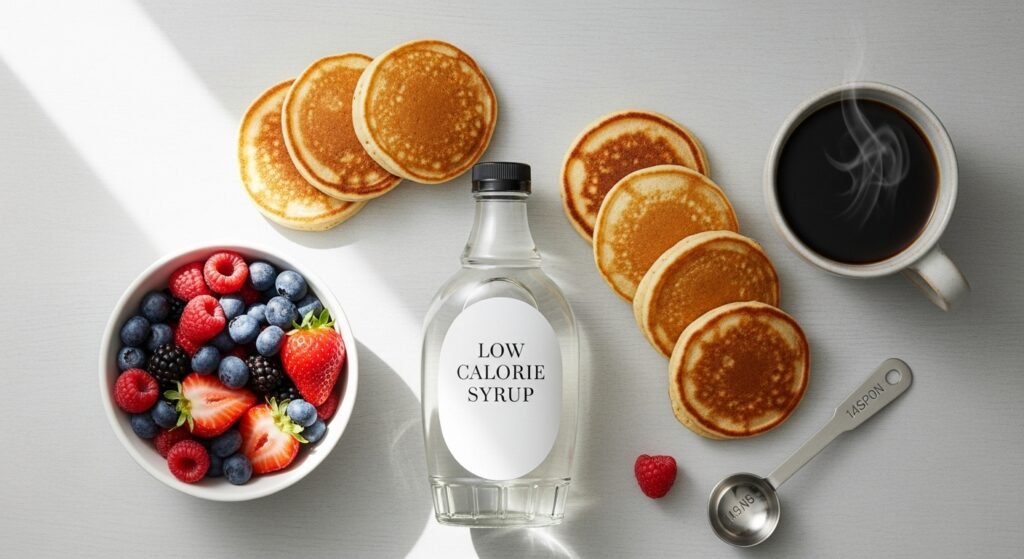
Low calorie syrup has become a go-to choice for people who want sweetness without unnecessary calories. Whether you’re trying to lose weight, maintain your diet, manage sugar intake, or simply make healthier food swaps, low calorie syrups offer a practical solution. The challenge, however, is finding syrups that taste good, blend well with recipes, and don’t spike your blood sugar. This article breaks down everything you need to know about low calorie syrups—ingredients, benefits, best brands, uses, and how to choose the right one.
What Is Low Calorie Syrup?
Low calorie syrup is a lighter alternative to regular syrup that contains fewer calories and often uses sugar substitutes instead of traditional sugar. While regular syrup can contain 50–60 calories per tablespoon, low calorie syrups usually range from 0 to 20 calories per tablespoon. The calorie reduction comes from artificial sweeteners, natural zero-calorie sweeteners, or low-glycemic ingredients. The goal is simple: keep the sweetness, ditch the calories.
How Low Calorie Syrups Reduce Calories
Low calorie syrups replace high-calorie sugars with sweeteners like sucralose, monk fruit extract, stevia, erythritol, or allulose. These sweeteners deliver the same level of sweetness but pass through the body without being stored as calories. Some syrups also use water-based solutions thickened with plant fibers to create the same texture as traditional syrup. Because of this combination, you get sweetness and consistency but far fewer calories.
Common Ingredients Found in Low Calorie Syrups
Low calorie syrups are not all created equal. Ingredients vary depending on brand and flavor. Some common components include:
Sugar Substitutes
Sweeteners like sucralose, stevia, monk fruit, erythritol, and allulose provide sweetness without the calories. They are often combined to reduce bitterness or aftertaste.
Thickening Agents
To mimic the thickness of traditional syrup, brands use xanthan gum, cellulose gum, or guar gum. These are safe, low-calorie fibers.
Natural Flavors
Vanilla, chocolate, caramel, maple, and fruit extracts are added for taste. These flavors help syrups feel similar to regular versions.
Preservatives
Citric acid, potassium sorbate, or sodium benzoate prevent spoilage. These are standard in most shelf-stable liquids.
Coloring Agents
Some syrups add caramel coloring or vegetable-based colorants to give the familiar maple or chocolate look.
Benefits of Low Calorie Syrup
Helps Reduce Calorie Intake
Ordinary syrup can easily add 200–300 calories to a meal without you even noticing. Low calorie syrup keeps the flavor while drastically cutting the calories.
Supports Weight Management
If you’re tracking calories or following a deficit, switching to low calorie syrup can save hundreds of calories per week.
Better for Blood Sugar Control
Because many low calorie syrups use non-sugar sweeteners, they don’t cause steep blood sugar spikes. This makes them suitable for diabetics and people following low-carb diets.
Works in Many Recipes
Low calorie syrups come in multiple flavors and can be used in coffee, smoothies, pancakes, baking, and desserts. They offer flexibility without guilt.
Adds Flavor Without the Crash
You get the sweetness you crave without the sugar crash that regular syrup can bring.
Types of Low Calorie Syrups Available
Maple-Flavored Low Calorie Syrup
These syrups mimic the taste of maple syrup but with fewer calories. Perfect for pancakes, waffles, oats, and baking recipes.
Chocolate Low Calorie Syrup
Used for desserts, ice creams, milkshakes, and coffee drinks. It provides rich chocolate flavor with minimal calories.
Caramel Low Calorie Syrup
Great for lattes, frappes, and drizzling over desserts. Caramel syrup usually has 0–10 calories per serving.
Fruit-Flavored Low Calorie Syrup
Strawberry, blueberry, raspberry, and mango syrups are popular for yogurt bowls, cocktails, and smoothie toppings.
Coffee Syrups
Special syrups made for coffee come in flavors like hazelnut, vanilla, mocha, and toffee. These are extremely popular in low-calorie drink recipes.
How to Choose the Best Low Calorie Syrup
Check the Calorie Count
Aim for 0–15 calories per tablespoon. Anything above 20 is not truly low-calorie.
Look at the Sweetener Type
If you hate aftertaste, avoid pure stevia. If you want natural options, choose monk fruit or allulose blends.
Avoid Excessive Chemicals
Too many preservatives or artificial colors can affect taste and health. Choose brands with simpler ingredient lists.
Consider Dietary Needs
If you’re keto, choose syrups with erythritol or allulose. If diabetic, avoid syrups with hidden sugars like maltodextrin.
Taste Test Different Flavors
Not all syrups taste good. Some feel artificial or watery. Testing a few brands will help you find your favorite.
Best Brands of Low Calorie Syrup (International and Popular)
Walden Farms
Known for its zero-calorie range including maple, chocolate, caramel, and fruit syrups. Thick texture but mixed reviews on taste.
Jordan’s Skinny Syrups
Very popular in coffee communities. Offers dozens of flavors with 0 calories.
ChocZero
Uses monk fruit sweetener. No sugar alcohols. Better taste and texture, especially for maple and chocolate syrup.
Mrs. Butterworth’s Sugar-Free
A budget-friendly option with a familiar flavor. Slightly higher calorie count but still significantly lower than regular syrup.
Torani Sugar-Free Syrups
Great for coffee and drinks. Uses sucralose. Flavors are strong and blend well in beverages.
Creative Ways to Use Low Calorie Syrup
Drizzle on Breakfast Foods
Use maple or caramel syrup on pancakes, waffles, oats, and French toast without calorie overload.
Mix into Coffee or Tea
Add a splash of vanilla or hazelnut syrup to instantly elevate your coffee.
Blend into Smoothies
Fruit syrups add intense flavor without making smoothies heavy or sugary.
Use in Baking
Low calorie chocolate or caramel syrup can be mixed into batter for guilt-free desserts.
Add to Yogurt Bowls
Top yogurt, granola, or fruit bowls with flavored syrup to boost taste.
Make Healthy Desserts
Drizzle over brownies, ice cream, or chia puddings to enhance flavor.
Use in Cocktails
Fruit syrups help create low-calorie cocktails and mocktails.
Enhance Protein Shakes
Chocolate or caramel syrup can make protein shakes more enjoyable.
Are Low Calorie Syrups Safe?
Low calorie syrups are generally safe when consumed in moderation. However, some people may experience bloating or gas from sugar alcohols like erythritol. Artificial sweeteners like sucralose may not suit everyone. If you’re sensitive, choose options with natural sweeteners like monk fruit or allulose.
Be aware of your tolerance and start with small amounts.
Potential Downsides to Know Before Buying
Artificial Aftertaste
Some low calorie syrups taste chemical or bitter, especially those with stevia.
Thin Consistency
Water-based syrups can feel too watery compared to traditional syrup.
Sugar Alcohol Side Effects
Too much erythritol or sorbitol can cause digestive issues.
Cost
Quality low calorie syrups can be more expensive than regular syrup.
Who Should Use Low Calorie Syrup?
Low calorie syrup is ideal for people who:
Want to lose weight
Are cutting down calories
Follow keto, low-carb, or diabetic-friendly diets
Prefer sweet flavors without sugar crashes
Love coffee, desserts, and sweet foods but want healthier alternatives
Final Thoughts: Is Low Calorie Syrup Worth It?
If you’re someone who enjoys sweet foods but doesn’t want the calorie burden, low calorie syrup is absolutely worth adding to your pantry. The calorie savings are significant, the flavor variety is massive, and the applications are endless. Just make sure you choose a syrup with ingredients that suit your body and taste preferences. As long as you’re aware of what’s inside the bottle and how much you’re using, low calorie syrup can be a smart and sustainable way to enjoy sweetness without guilt.