
Smart Low-Calorie Diet Plan for Fast Fat Loss
A Complete Guide to Healthy Fat Loss
What Is a Low Calorie Diet Programme?
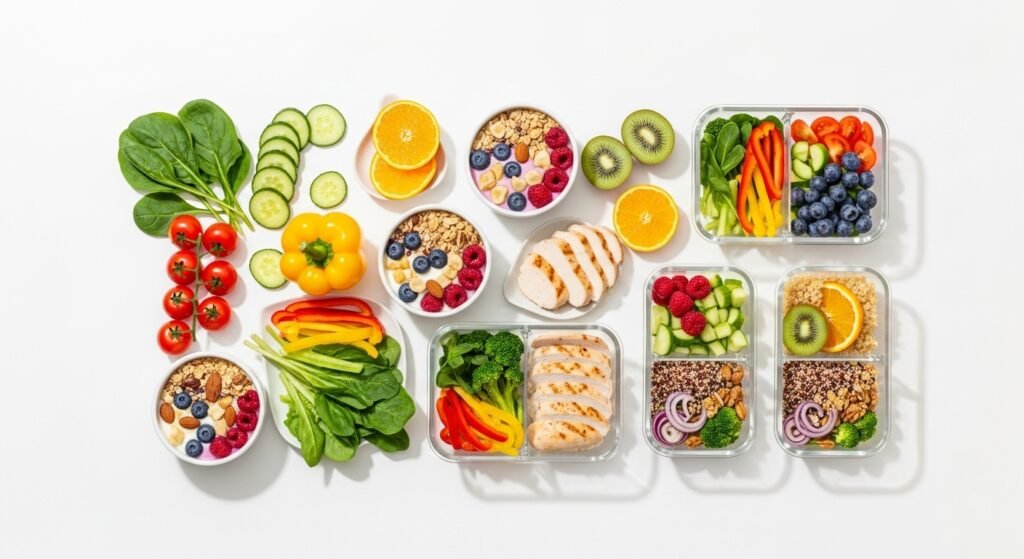
A low calorie diet programme is a structured eating plan that helps you reduce daily calorie intake so your body burns stored fat for energy. The goal is simple: consume fewer calories than you burn while still providing your body with nutrition, protein, fiber, vitamins, and minerals. Most people follow a plan between 1200–1600 calories depending on their body weight, gender, and activity level. A proper programme doesn’t starve you—it balances smart food choices, portion control, and nutrient density.
Why Low-Calorie Diets Work
Low-calorie diets work because they create a calorie deficit, forcing your body to burn fat. When you consistently eat fewer calories than you expend, you lose weight. Protein keeps you full, fiber supports digestion, and controlled portions prevent overeating. A low-calorie diet programme is more effective than random dieting because it gives structure, rules, and consistency, helping you maintain progress without confusion.
Calorie Targets Based on Goals
1200–1300 calories: Suitable for women with low activity.
1400–1600 calories: Suitable for moderate activity levels.
1600–1800 calories: Suitable for men or highly active individuals.
Never go below 1200 calories because it slows metabolism and causes burnout. Adjust every two weeks based on visible results and your energy levels.
Key Principles of a Low Calorie Diet Programme
Focus on whole foods instead of packaged snacks.
Eat high-protein meals to control hunger.
Choose healthy fats but in small portions.
Fill half your plate with vegetables.
Avoid sugary drinks completely.
Drink 2–3 liters of water daily.
Plan meals in advance instead of eating randomly.
Track calories for at least 30 days to build discipline.
Foods to Eat on a Low-Calorie Diet
Lean proteins like chicken breast, eggs, tofu, and cottage cheese.
High-fiber vegetables such as spinach, broccoli, cauliflower, carrots.
Whole grains like oats, quinoa, dalia, brown rice.
Low-calorie fruits such as berries, apples, melons, pears.
Healthy fats including almonds, chia seeds, and olive oil.
Low-fat dairy products and unsweetened yogurt.
These foods keep calories low while maximizing nutrition.
Foods to Avoid on a Low-Calorie Programme
Fried foods such as samosas, pakoras, fries.
High-sugar snacks like cookies, pastries, ice creams.
Refined carbs including white bread, pizza bases, naan.
High-calorie sauces and sugary beverages.
Processed foods with hidden oils and sugars.
Alcohol, especially cocktails and beer.
Avoiding these helps maintain a stable calorie deficit and stops unwanted spikes in appetite and cravings.
Sample 1500-Calorie Low Calorie Diet Programme
This is a balanced template you can follow for a week and adjust later.
Breakfast Options (300–350 calories)
Oats bowl with banana slices and chia seeds.
Two boiled eggs with multigrain toast.
Low-fat yogurt mixed with fruit and granola.
Vegetable upma or poha with lemon.
Mid-Morning Snack (100–150 calories)
Apple or pear.
Black coffee or green tea.
Handful of roasted chana.
Lunch Options (400–450 calories)
Grilled chicken or tofu with salad and lemon dressing.
1 cup brown rice + dal + mixed veggies.
Quinoa bowl with chickpeas and spinach.
Roti + sabzi + curd (portion-controlled).
Evening Snack (100–150 calories)
Sprouts chaat with onions and lemon.
Protein shake with water.
Two khakhras with green tea.
Dinner Options (350–450 calories)
Paneer stir-fry with broccoli.
Grilled fish with sautéed vegetables.
Vegetable soup + salad bowl.
Two rotis + sabzi (no oil overload).
Night-Time Craving Control (Optional 50–70 calories)
Warm turmeric milk (small cup).
Hot herbal tea.
Cucumber slices with salt and pepper.
Low-Calorie Meal Prep Ideas
Prepare ingredients in batches to reduce cooking time.
Store vegetables chopped in airtight containers.
Use meal prep boxes for lunch and dinner.
Cook protein sources like chicken and lentils ahead of time.
Make low-calorie snacks such as roasted makhana or hummus cups.
This builds consistency and prevents “what to eat?” stress.
Low-Calorie Recipes That Fit Into The Programme
Vegetable Soup: Less than 80 calories per bowl.
Egg Bhurji: High-protein and only 150 calories.
Fruit Yogurt Bowl: 180 calories with zero added sugar.
Paneer Salad: 200 calories, rich in nutrition.
These simple recipes keep the diet interesting without adding extra calories.
Exercises to Boost Your Low-Calorie Diet Results
Brisk walking 30 minutes daily.
Light strength training three times a week.
Stretching or yoga to improve flexibility.
HIIT for faster fat burning if your fitness level is high.
Even basic daily movement increases calorie burn and improves results.
Common Mistakes People Make
Skipping meals and then overeating later.
Relying too much on fruit juices.
Eating “healthy foods” but in huge portions.
Not tracking calories honestly.
Using cheat meals too often.
Your diet fails when you don’t stay consistent. Tracking is non-negotiable for beginners.
Signs Your Low Calorie Diet Programme Is Working
Reduced bloating.
Better digestion.
More energy during the day.
Steady decrease in weight or inches.
Improved sleep quality.
Most people see noticeable changes within 3–4 weeks when following the programme strictly.
How to Stay Consistent
Plan meals the night before.
Keep protein snacks ready.
Avoid eating outside for the first month.
Track calories using any free app.
Drink enough water to prevent false hunger.
Consistency beats perfection when it comes to weight loss.
Who Should Avoid Low-Calorie Diets
Pregnant or breastfeeding women.
People with medical conditions like diabetes or anemia.
Anyone with a history of eating disorders.
Consult a doctor before making drastic changes.
Final Thoughts
A low calorie diet programme is one of the most effective and sustainable ways to lose weight if you follow it with discipline. It helps you control portions, understand your food habits, and develop long-term healthy eating patterns. With structured meals, proper calorie tracking, and smart food choices, you can achieve visible results without starving or feeling frustrated. If you stay consistent for 60–90 days, this programme can transform your body and energy levels drastically.