Best Low-Calorie Biscuits for Smarter Snacking
Smart Choices for Healthier Snacking
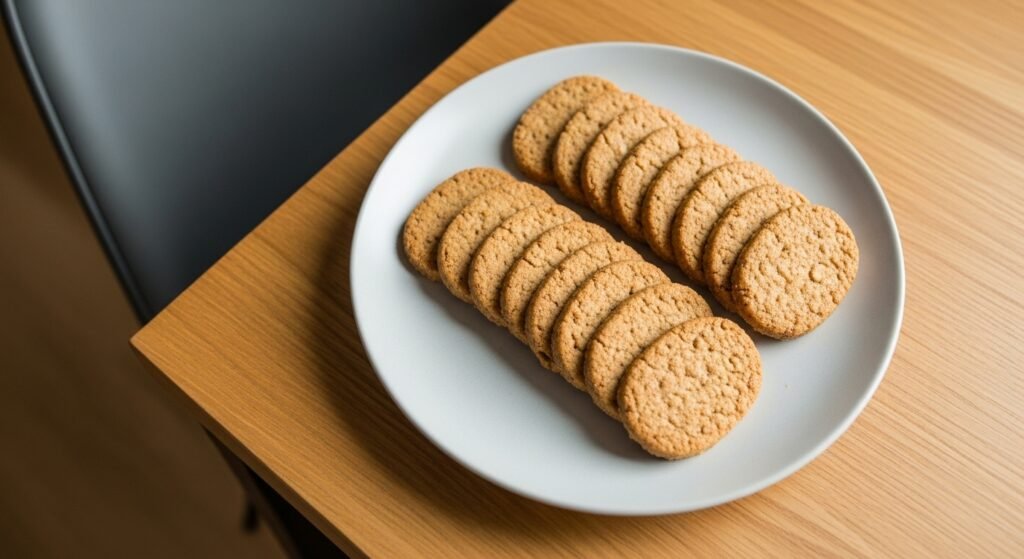
Most people think biscuits are harmless because they’re small. That’s the first mistake. Most regular biscuits are loaded with hidden sugar, palm oil, refined flour, and unnecessary fillers. One small packet can easily hit 300–500 calories without you realizing it.
If you want to keep eating biscuits without messing up your calorie goals, you need to understand what actually makes a biscuit “low-calorie” and which ingredients matter. This guide gives you straight facts and practical biscuit options that are genuinely low in calories—not the misleading “healthy-looking” ones that trick buyers.
What Makes a Biscuit High in Calories
Biscuits become calorie bombs because brands rely on:
• Refined wheat flour (maida)
• Sugar or glucose syrup
• Hydrogenated fat or palm oil
• Cream fillings
• Chocolate coatings
• Artificial flavors
These ingredients spike calories fast. Even biscuits marketed as “healthy” often use the same base ingredients but add marketing labels like “multigrain” or “digestive.” Don’t fall for it—always check the actual nutrition.
What Counts as a Low-Calorie Biscuit?
A biscuit can be considered “low-calorie” when:
• It contains 25–40 calories per piece
• It uses whole grains or oats
• Sugar content is reduced or replaced
• It uses airier texture (more volume, fewer calories)
• Fat percentage is low
• No cream or coating
A low-calorie biscuit isn’t just “less bad”—it should be better nutritionally, with more fiber, less sugar, and controlled fat.
Health Benefits of Choosing Low-Calorie Biscuits
Switching to low-calorie biscuits does more than help you lose weight. You also get:
• Better digestion due to higher fiber
• Improved blood sugar control
• Less overeating and reduced cravings
• A healthier substitute for sweet snacks
• Lower daily calorie load without feeling deprived
This lets you enjoy biscuits guilt-free with tea or coffee—without putting on unnecessary weight.
Best Types of Low-Calorie Biscuits You Can Choose
Here are genuinely useful biscuit categories that help you cut calories.
Whole Wheat Biscuits
They use whole grain flour which has more fiber and lower glycemic impact. They’re more filling but lighter in calories compared to refined biscuits.
Oat Biscuits
Oats reduce hunger and slow blood sugar spikes. A single oat biscuit usually stays under 40 calories but keeps you full longer.
Digestive Biscuits (Only Selected Brands)
Many “digestives” are unhealthy, but some clean-label versions use limited sugar and better oils. Choose those with full ingredient transparency.
High-Fiber Biscuits
Biscuits with added fiber reduce total calorie absorption and keep you fuller, preventing binge eating.
Sugar-Free or Low-Sugar Biscuits
Be careful here—many sugar-free options use artificial sweeteners. Choose natural sweeteners like stevia or erythritol-based products.
Rusk or “Toast Biscuit”
Airy, dry, and crisp. Much lower in fat. One piece usually stays around 20–30 calories.
Homemade Low-Calorie Biscuits
When you bake at home, you control everything: ingredients, calories, and flavors. This gives the best balance of taste + health.
Popular Low-Calorie Biscuits You Can Buy (General Categories)
Since ingredient quality varies across brands and regions, here’s what to look for in store-bought low-calorie biscuits:
• Less than 40 calories per biscuit
• Sugar per serving under 3–4g
• Total fat under 3g per serving
• Whole grain flour as the first ingredient
• No hydrogenated oils
Stick to these rules and you’ll avoid 80% of the bad options on the shelf.
Low-Calorie Homemade Biscuit Recipes (Simple & Effective)
If you want biscuits that are truly low-calorie and clean, making them at home is the smartest option. These recipes give flavor without unnecessary calories.
Oat & Banana Biscuits (No Sugar, No Maida)
Ingredients:
• Oats
• Mashed banana
• Cinnamon
• A splash of milk
Mash, mix, bake. Each biscuit is around 30–35 calories. Naturally sweet. Zero refined junk.
Whole Wheat Almond Biscuits (Low Sugar)
Use whole wheat flour + 1–2 teaspoons jaggery + almond powder for healthy fats. Each biscuit lands around 35–45 calories depending on size.
Coconut Flour Biscuits (Gluten-Free)
These are extremely light and low-calorie due to coconut flour’s airy texture. Perfect for people who want low-carb options.
Ragi Biscuits
Ragi is nutrient-dense and filling. With minimal oil and jaggery, each biscuit stays below 40 calories but keeps you full.
Honey Oat Rusks
Very light, crispy, and low-fat. They’re perfect for tea and stay around 20–25 calories each.
How to Keep Any Biscuit Low-Calorie
Most people destroy the “low calorie” benefit because they eat 10–12 biscuits in one go. Eating low-cal biscuits doesn’t give you a license to binge.
Follow these rules:
• Stick to 2–4 biscuits per serving
• Avoid dunking biscuits in sugary drinks
• Don’t buy cream-filled “low-fat” fakes
• Avoid biscuit sandwiches—massive calorie traps
• Drink water or unsweetened tea to stay full
Calories matter. Quantity matters even more.
Best Time to Eat Low-Calorie Biscuits
To avoid blood sugar spikes and overeating, the best times are:
• With morning tea
• As a light mid-day snack
• Before a workout (oat-based biscuits only)
• Evening tea without sugar
Avoid eating biscuits late at night. Your body doesn’t need quick carbs at bedtime.
Mistakes People Make When Choosing Low-Calorie Biscuits
These mistakes ruin your plan:
Thinking “sugar-free” means healthy
Wrong. Many sugar-free biscuits use artificial sweeteners and unhealthy fats to improve taste.
Choosing multigrain biscuits blindly
Multigrain is often just marketing. Check if whole grains are actually the first ingredient.
Eating too many because they’re low-cal
Low-calorie snacks can make you overeat. Control portions.
Trusting packaging over ingredients
Ignore the front label. Read the nutritional chart.
Key Ingredients to Look For in Good Low-Calorie Biscuits
To ensure your biscuit is genuinely healthier, look for:
• Whole wheat flour or oats
• Jaggery or small amount of honey
• Cold-pressed oil instead of hydrogenated fat
• Natural fiber sources
• Clean ingredient list with fewer additives
The fewer chemicals, the better.
Why Low-Calorie Biscuits Are Better Than Regular Biscuits
Let’s be blunt. Regular biscuits are engineered to make you eat more—soft texture, high sugar, hidden oils. Low-calorie biscuits break that cycle because:
• They digest slower
• They trigger fewer cravings
• They don’t cause sugar crashes
• They fit into calorie budgets
• They support weight goals
If you’re trying to stay fit or lose weight, switching biscuits is one of the easiest habits to fix.
Should You Replace Breakfast with Low-Cal Biscuits?
No. That’s a stupid idea, and most people don’t realize it.
Low-calorie biscuits are snacks, not meals. They don’t give enough protein or healthy fat to replace breakfast. If you do this, you’ll feel hungry fast and end up overeating later.
Use them only as:
• Light snack
• Tea/coffee side snack
• Quick hunger fix
Not as a substitute for real food.
Final Thoughts
Low-calorie biscuits are a smart upgrade only if you choose the right type and don’t overeat. Learn to read ingredient labels, avoid marketing traps, and choose biscuits with fewer calories and better nutritional value.
Whether you prefer store-bought or homemade, the goal is simple: satisfy cravings without ruining your daily calorie intake.