
Hearty Lasagna Soup Recipe Loaded With Flavor
Lasagna Soup Recipe
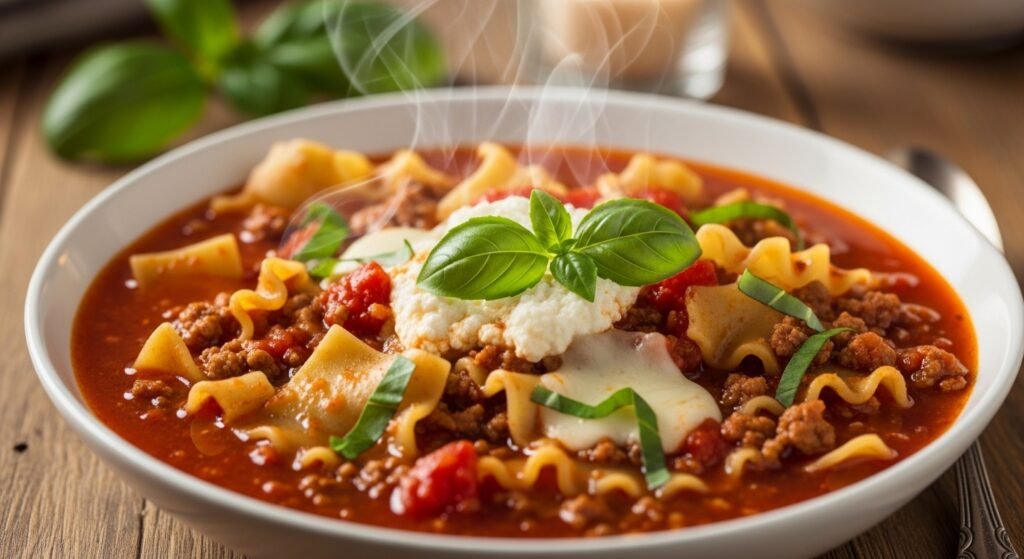
Lasagna soup is the kind of dish that takes everything you love about classic lasagna—the rich tomato base, tender pasta, creamy cheese, and hearty meat—and transforms it into a warm, comforting bowl of goodness. If you love lasagna but don’t want the long, layered baking process, this recipe delivers the same flavor with less work and more convenience. The taste is bold, the aroma is irresistible, and the texture is thick and satisfying. This article walks you through what makes lasagna soup so addictive, how to cook it perfectly, the ingredients you need, key techniques, common mistakes, variations, tips, and a detailed step-by-step recipe you can master even as a beginner.
What Makes Lasagna Soup So Popular
Classic lasagna takes time—boiling noodles, mixing cheese, layering everything, then baking for nearly an hour. Lasagna soup solves all those problems without losing any flavor. Instead of assembling layers, you simmer all the ingredients in a pot. It has the same comforting mix of tomato, herbs, pasta, and cheese, but it’s lighter, faster, and much easier to reheat. The broth absorbs the flavors beautifully, giving you a dish that feels like lasagna but eats like soup. For busy days, cold evenings, or when you want something filling but not complicated, lasagna soup is a proven winner.
Understanding the Flavor Base
The flavor foundation of lasagna soup starts with sautéed onions and garlic. They bring sweetness and aroma. Ground beef or Italian sausage adds richness. Tomato paste deepens the base, giving the soup a slow-cooked taste even if you prepare it quickly. Crushed tomatoes provide the body, and broth ensures the consistency stays soupy rather than overly thick. Italian herbs like basil, oregano, and thyme mimic classic lasagna seasoning. When everything simmers together, the result is a warm bowl that tastes like it came from a traditional Italian kitchen.
Choosing the Right Pasta
Lasagna noodles are the obvious choice, but you can break them into smaller pieces so they cook evenly in the soup. If you don’t have lasagna sheets, use mafalda, bowtie, fusilli, penne, or any pasta that holds sauce well. The trick is to cook the pasta directly in the soup so it absorbs flavor. Just remember that pasta expands and can thicken the soup more than expected, so keep extra broth on hand in case you need to adjust the consistency.
Importance of Cheese in Lasagna Soup
Cheese is where lasagna soup stands out. Instead of melting cheese into the pot, the best way is to create a “cheese dollop” topping. Mix ricotta, mozzarella, and parmesan into a creamy blend. When you add it on top of a hot bowl of soup, it melts slowly, giving each spoonful a rich, creamy, stretchy texture that mimics baked lasagna. This method also makes the soup look attractive and restaurant-quality.
Selecting Quality Ingredients
Since lasagna soup uses simple ingredients, quality matters. Fresh onions and garlic create a stronger base. Tomato paste should be thick and deep red. Crushed tomatoes should taste slightly sweet rather than sour. Choose broth with lower sodium so you can control the seasoning better. Use good-quality ricotta—grainy ricotta ruins the final texture. If using sausage, choose one with balanced spice so it doesn’t overpower the soup.
Step-by-Step Lasagna Soup Recipe
Ingredients
1 tablespoon olive oil
1 onion chopped
4 garlic cloves minced
500 grams ground beef or Italian sausage
1 tablespoon tomato paste
1 can crushed tomatoes
4 cups chicken or vegetable broth
1 teaspoon dried basil
1 teaspoon dried oregano
Salt and pepper to taste
Lasagna noodles broken into pieces
Cheese mixture: 1 cup ricotta, ½ cup mozzarella, ¼ cup parmesan
Instructions
Heat oil in a pot and sauté the onion until soft. Add garlic and cook until fragrant. Add the ground beef or sausage, breaking it apart with a spoon. Cook until browned. Stir in tomato paste and cook for a minute to deepen the flavor. Pour in crushed tomatoes and broth. Add basil, oregano, salt, and pepper. Bring to a boil, then reduce heat and simmer for 15 minutes. Add lasagna noodles and cook until tender, stirring occasionally. Mix ricotta, mozzarella, and parmesan in a bowl. Serve the soup hot with a generous spoonful of the cheese mixture on top.
Techniques for Perfect Texture
The balance between soup and pasta is what makes lasagna soup so enjoyable. If the soup gets too thick, add more broth. If the pasta becomes too soft, reduce cooking time next time—lasagna pasta absorbs liquid quickly. Stir regularly to prevent pasta from sticking to the bottom. Simmering should be gentle, not aggressive, to maintain a smooth broth.
Mistakes to Avoid
The biggest mistake is cooking the pasta too early. If you add pasta at the beginning, it will overcook, absorb too much broth, and turn mushy. Another mistake is skipping the tomato paste. It gives the soup its signature lasagna-like depth. Over-seasoning is also a problem since cheese adds saltiness, so taste before adding extra salt. Avoid adding cheese directly into the pot—it melts unevenly and makes the soup gritty.
Variations You Can Try
Lasagna soup adapts easily to your preference. For a lighter version, skip sausage and go with vegetables like mushrooms, zucchini, and spinach. For a spicy kick, add crushed red pepper flakes or spicy sausage. A creamy version includes adding a splash of heavy cream at the end for a velvety finish. For a vegetarian protein option, use lentils instead of meat—they absorb the tomato flavor beautifully and create a thick, rich texture.
Serving and Presentation Tips
Presentation matters, especially with a soup inspired by a classic Italian dish. Serve in wide bowls so the pasta and cheese topping are visible. Add fresh basil or parsley for a pop of color. A sprinkle of parmesan enhances flavor instantly. A drizzle of olive oil can make the bowl look more luxurious. Garlic bread or toasted baguette slices pair perfectly with lasagna soup.
Storage and Reheating Advice
Lasagna soup stores well but pasta absorbs liquid over time. If you plan to store the soup, cook the pasta separately and add it to each serving before eating. If reheating a full batch, add broth to loosen the soup. Store in an airtight container for up to three days in the fridge. Freeze the soup without pasta for best results. When reheating, warm gently to prevent cheese or tomato from scorching.
Health Benefits and Nutrition Notes
While lasagna soup is comforting and rich, it can be made healthier by using lean meat, whole wheat pasta, or vegetables instead of meat. Tomatoes provide antioxidants, garlic supports immunity, and broth keeps the meal hydrating. It’s a balanced option when portioned correctly, giving you protein, carbs, and a flavorful broth in one bowl.
Why You Should Add Lasagna Soup to Your Regular Cooking
Lasagna soup offers all the satisfaction of traditional lasagna but cuts down the effort dramatically. It’s cheaper, faster, easier to serve, and great for meal prep. It satisfies cravings without making you feel heavy or tired. It’s a crowd-pleaser—kids love it, adults love it, and it suits any casual dinner or family lunch. Once you try it, you’ll realize it deserves a permanent spot in your rotation.
Final Thoughts
If you’re craving lasagna but don’t want the work, this lasagna soup recipe gives you the same flavors in a quicker, cozier way. It’s hearty, fragrant, and packed with everything you expect from classic Italian comfort food. Whether you’re cooking for yourself, your family, or guests, this recipe guarantees satisfaction in every spoonful. It’s flexible, forgiving, and easy enough for beginners yet impressive enough for a dinner gathering. Make it once and it will become one of your all-time favorite soups.