Smart Ways to Store Leftovers for Fresh Meals
Introduction
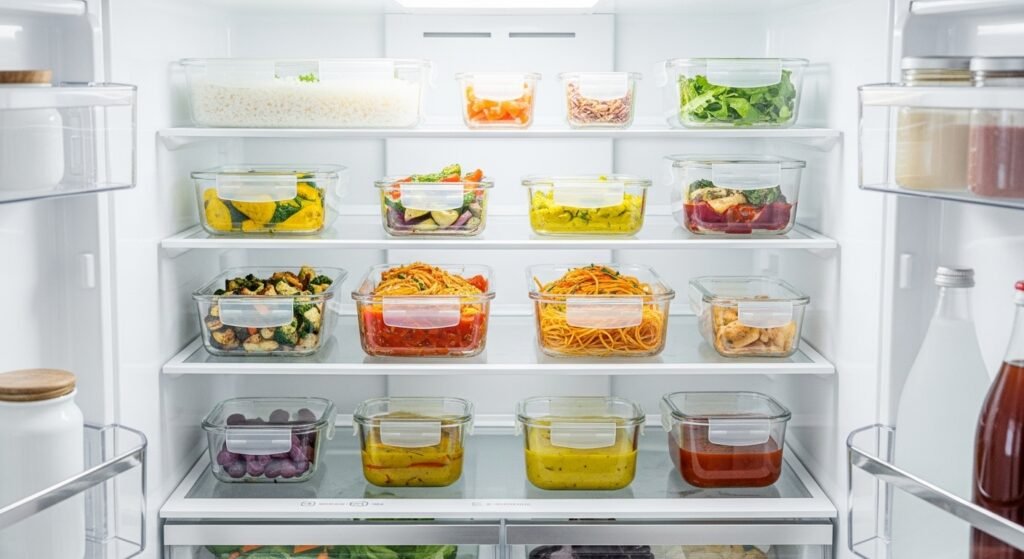
Most people treat leftovers casually and then wonder why their food tastes dull, smells odd, or spoils too fast. If you’re sloppy with storage—wrong containers, wrong temperature, wrong timing—you’re literally wasting money, time, and food. Proper leftover storage isn’t “kitchen perfectionism”; it’s basic logic. You want your food to stay safe, fresh, and tasty. That requires a system, not guesswork. Here’s a clear, practical, no-excuse guide to storing leftovers the right way.
1. Cool Food Fast Before Storing
Hot food sitting out for too long is a perfect breeding ground for bacteria. People keep food on the counter “until it cools,” but it takes way longer than they think, and it’s risky.
Smart way to cool food quickly:
- Divide large batches (curries, pasta, rice) into shallow containers.
- Spread the food out so heat escapes faster.
- Use an ice bath under the pot for quick cooling.
- NEVER put a huge hot pot directly in the fridge. It warms everything else, ruins freshness, and stresses the appliance.
Time limit:
Food shouldn’t sit out for more than two hours. After that, bacteria starts multiplying like crazy. Don’t gamble.
2. Choose the Right Containers—Not All Are Equal
This one matters more than people admit. Wrong containers ruin texture, flavor, and even safety.
Airtight containers
Use airtight glass or BPA-free plastic. Air is the enemy. Exposure means faster spoilage, moisture loss, and stink transfer.
Avoid weak takeout boxes
Cardboard containers absorb moisture, leak easily, and collapse. Plastic takeout boxes warp, crack, and don’t seal well.
Clear containers
You’re less likely to forget what’s inside when you can see the food. No more mystery boxes growing fungi.
Size matters
Use containers just big enough for the portion. Extra air inside speeds spoilage.
Glass > Plastic
Glass keeps food fresher, doesn’t stain, and reheats without chemical concerns.
3. Label Everything—Memory Is Unreliable
People rely on guessing, and then they throw food because “I don’t remember when I kept this.”
Label basics:
- Write the food name
- Date it was cooked
- Date it should be eaten by
You can use masking tape, a marker, or reusable fridge labels. It takes 10 seconds and saves money.
4. Store Different Foods Differently
Not all leftovers behave the same. Each food category needs a specific approach.
Cooked rice
Cool fast and refrigerate immediately. Rice grows bacteria quickly. Store in a flat, shallow container. Eat within 1–2 days.
Cooked meats
Wrap tightly to prevent drying. Store in airtight containers. Lasts 3–4 days.
Soups and stews
Store in small portions so you reheat only what you need. Leave a little headspace for expansion if freezing.
Fried foods
Use a paper towel layer to absorb moisture so they don’t get soggy. Reheat in an air fryer, not a microwave.
Pasta and noodles
Mix with a little oil before storing so they don’t turn into a sticky block.
Curries and gravies
Store in glass for best results. Shake or stir while reheating for even texture.
Bread and bakery items
Refrigeration makes bread dry and stale. Store at room temperature if eating soon, or freeze for longer life.
5. Master the Fridge Zones
Your fridge isn’t uniform. Different spots have different temperatures.
Top shelves
Stable, consistent temperature. Ideal for leftovers.
Middle shelves
Good for cooked foods you’ll use soon.
Lower shelves
Coldest zone. Best for milk, meat, and anything highly perishable.
Door shelves
Warmest area. NOT suitable for leftovers, milk, eggs, or anything sensitive.
Crisper drawer
Use it only for fruits and vegetables. Not leftovers.
6. Avoid Overstuffing Your Fridge
Stuffing your fridge to the brim seems harmless, but it destroys airflow. Poor airflow = uneven cooling = faster spoilage.
If your fridge is always full, you’re not “organized”; you’re being careless with food and money.
Solution:
- Remove expired items every week
- Keep containers stackable
- Don’t keep random extra jars or unused bottles
Your fridge should cool, not suffocate.
7. Know How Long Leftovers Actually Last
People either throw food too early out of fear or keep food way too long out of laziness. Both are wrong.
Here’s a no-nonsense freshness timeline:
In the fridge (at 4°C or below):
- Cooked rice: 1–2 days
- Cooked vegetables: 3–4 days
- Curries and gravies: 3–4 days
- Cooked chicken/meat: 3–4 days
- Soups and stews: 3–4 days
- Pizza: 3–4 days
- Pasta/noodles: 3–5 days
- Eggs (hard-boiled): 1 week
In the freezer (-18°C):
- Cooked meats: up to 2 months
- Curries: 2–3 months
- Soups/stews: 2–3 months
- Rice: 1 month
- Pasta: 6–8 weeks
If you can’t finish something in 3 days, freeze it. Simple rule.
8. Freeze Leftovers the Right Way
Freezing doesn’t magically fix bad storage. Do it wrong and your food gets freezer burn, ice crystals, or loses its flavor.
Steps for perfect freezing:
- Cool food completely
- Portion into single servings
- Use freezer-safe bags or containers
- Remove excess air
- Flatten bags for easy stacking
- Label everything
Avoid freezing:
- Fried foods (unless reheated in an air fryer)
- Salad
- Cut fruits with high water content
- Potatoes (they get grainy)
Freezing is a tool—but only if used with logic.
9. Reheat Leftovers Properly
Reheating incorrectly ruins texture and taste. Don’t be lazy.
Microwave
Use a microwave-safe container. Cover loosely to avoid drying. Stir halfway. Add a splash of water for curries, rice, or pasta.
Stovetop
Best for soups, curries, and gravies. Heat evenly. Don’t boil unnecessarily.
Air fryer or oven
Perfect for reviving fries, pizza, fried snacks, and baked items.
Never reheat more than once
Reheat only what you’ll eat. Reheating multiple times encourages bacteria growth and destroys flavor.
10. Prevent Cross-Contamination
Don’t mix raw and cooked foods in the fridge. Ever.
Raw meat juices dripping on your cooked biryani is not “bad luck”—it’s bad hygiene.
Rules:
- Keep raw meat in leakproof containers
- Store raw items on the bottom shelf
- Keep cooked items on higher shelves
- Use separate cutting boards for raw and cooked foods
11. Keep Your Fridge Clean
You can’t store leftovers properly in a dirty fridge. Spills and old food create bacteria hotspots and odors.
Maintenance routine:
- Wipe shelves weekly
- Remove expired items every Sunday
- Clean containers immediately after use
- Use baking soda to absorb odors
A clean fridge isn’t “nice to have”—it’s essential.
12. Know When to Throw Food Away
Don’t be overconfident. If something looks, smells, or feels off, toss it. Food poisoning isn’t worth the risk.
Throw the food if:
- There’s mold
- It smells sour or strange
- Texture changed badly
- You don’t remember when you kept it
- It stayed out at room temp for too long
Being careful isn’t wasteful—getting sick is.
Conclusion: Storing Leftovers Is a Skill, Not Guesswork
If you’re careless, you waste money, risk foodborne illness, and eat low-quality meals. But if you follow a systematic approach—cooling fast, using airtight containers, labeling, proper fridge zones, freezing intelligently—you’ll keep your food fresher, safer, and far more enjoyable.
Leftover storage isn’t about effort; it’s about using your brain. Once you follow these steps, you’ll stop throwing food away, stop eating soggy reheated meals, and stop playing guessing games with fridge items.