Easy Homemade Fig Jam Recipe for Fresh Flavor
A Simple, Rich, and Naturally Sweet Spread Anyone Can Make
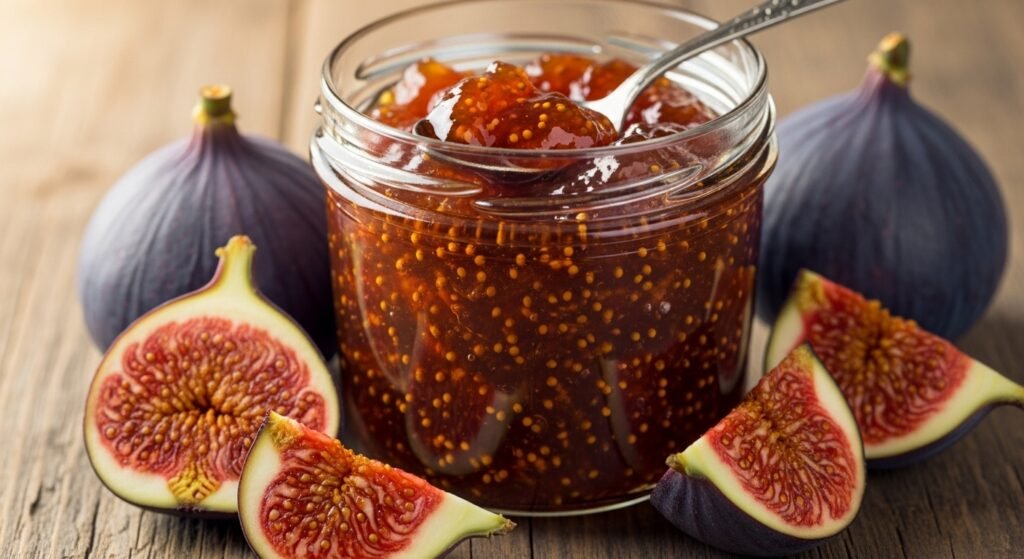
If you’ve ever tasted real fig jam — not the cheap, overly sweet jar versions — you already know it hits differently. It’s rich, thick, floral, fruity, and naturally sweet in a way no artificial jam comes close to. The good news? Making it at home is ridiculously simple if you understand a few basics. The bad news? Most recipes online skip details that actually matter, which leads to runny jam, burnt sugar flavor, or jam that crystallizes in the jar. This guide fixes all of that. You’ll learn exactly how to make fig jam that sets perfectly, keeps its fresh fruit flavor, and stores well without turning into sugary glue.
Why Fig Jam Is Worth Making
Store-bought fig jam is overpriced and usually packed with unnecessary sugar. Fresh figs already contain natural sweetness, pectin, and fiber — all of which help jam thicken without extra chemicals. A proper fig jam recipe lets the fruit shine instead of drowning it in sugar. You control the sweetness, the thickness, and the flavor. And let’s be honest: homemade fig jam on toast, pastries, cheese boards, or even grilled meats beats anything you’ll find on a shelf.
What Makes a Good Fig Jam
A good fig jam checks these boxes:
- Thick but spreadable
- Deep flavor without bitterness
- Balanced sweetness
- Visible seeds and fruit texture
- Long shelf life
- Zero artificial taste
If your jam turns watery, overly thick, gritty, or burnt, you messed up the proportions or heat control. This recipe avoids all of those issues.
Types of Figs You Can Use
Different figs create different flavors. Use whatever you can find, but here’s the breakdown:
Black Mission Figs
Dark, rich, jammy flavor. Best for deep, intense jam.
Brown Turkey Figs
Lighter flavor, less sweet, great if you prefer mild jam.
Kadota Figs
Green skin, honey-like sweetness. Makes a beautiful golden jam.
Calimyrna Figs
Nutty, sweet, perfect for pairing with cheese.
Fresh figs are ideal. If using dried figs, you must rehydrate them first (covered later).
Ingredients You Actually Need
Here’s the base recipe — intentionally simple so the fruit flavor stays clean.
- 2 pounds fresh figs
- 1 cup granulated sugar (adjust depending on sweetness)
- 1 tablespoon lemon juice
- 1 teaspoon lemon zest
- Optional: 1 teaspoon vanilla extract or cinnamon
That’s it. No pectin, no fancy gels, no nonsense.
Step-by-Step Fig Jam Recipe
Follow these steps exactly if you want consistent results.
Step 1: Prep the figs
Wash the figs thoroughly — figs trap dust easily.
Trim off the stems.
Cut each fig into quarters.
You can leave the skins on; they soften completely during cooking.
Step 2: Macerate the fruit
Place figs in a pot.
Add sugar and lemon juice.
Stir and let them rest for 20–30 minutes.
This step pulls juice from the fruit naturally and helps dissolve the sugar, preventing burning.
Step 3: Start cooking
Turn the heat to medium.
Stir occasionally as the figs break down and release liquid.
Don’t rush — high heat will scorch sugar and ruin the batch.
Step 4: Adjust texture
If you want chunky jam, do nothing.
If you want smoother jam, gently mash with a potato masher.
Never blend hot jam — it becomes overly thick and loses texture.
Step 5: Add lemon zest
This small step sharpens flavor and balances sweetness.
Step 6: Thicken the jam
Simmer on medium-low for 30–45 minutes.
A good fig jam thickens slowly — fast thickening means burning.
How to test the thickness:
- Drop a bit of jam on a cold plate.
- If it wrinkles when pushed, it’s done.
- If it runs, cook longer.
Step 7: Flavor upgrades (optional)
Add vanilla for warmth.
Add cinnamon for spice.
Add honey for floral notes.
Don’t overdo extra flavors — figs are delicate.
Step 8: Cool and store
Let the jam cool completely.
Transfer to sterilized jars.
Store in the refrigerator.
Shelf Life
- Refrigerator: 3–4 weeks
- Freezer: 6 months
- Properly canned: 1 year
If you don’t know how to sterilize jars, here’s a quick method:
- Boil jars and lids for 10 minutes.
- Dry them completely.
- Fill with warm jam, leaving headspace.
- Seal and cool.
How to Make Fig Jam Without Sugar
If you want a healthier version, use ripe figs only. They’re naturally sweet enough.
Replace sugar with:
- ¼ cup honey, or
- ¼ cup maple syrup, or
- Nothing at all (for truly natural jam)
Be warned:
No-sugar jam has a shorter shelf life and a softer set.
How to Make Fig Jam with Dried Figs
If fresh figs aren’t available, you can still make great jam.
Rehydration method:
- 2 cups dried figs
- 1 ½ cups hot water
- Soak for 20 minutes until soft
- Chop and cook as usual
- Add an extra ½ cup water during cooking
Result:
Thicker, more intense jam with deeper caramel notes.
Jam Thickness Guide
People mess this up constantly. Here’s what affects thickness:
Thicker jam:
- More cooking time
- Higher sugar
- Ripe figs
- Less added water
Thinner jam:
- Undercooking
- Too much water
- Under-ripe figs
- Low sugar
Fixing runny jam:
Cook longer.
Don’t add more sugar — it won’t fix texture.
Best Flavor Combinations
If you want to elevate your fig jam, try these safe additions:
Fig + Orange
Add 2 tbsp fresh orange juice + zest.
Fig + Vanilla Bean
Adds warmth and dessert-like flavor.
Fig + Cinnamon + Nutmeg
Great for fall or holiday jars.
Fig + Balsamic Vinegar
Adds depth — perfect with cheese boards.
Fig + Honey + Thyme
Excellent for savory pairings.
These combinations never overpower the figs.
How to Use Fig Jam
If you think jam is “only for toast,” you’re missing half the possibilities.
Breakfast Uses
- Spread on toast or bagels
- Swirl into yogurt
- Drizzle on pancakes
- Spoon over oatmeal
Dessert Uses
- Filling for cakes
- Spread between cookies
- Layer in pastries
- Swirled into ice cream
Savory Uses
- Pair with goat cheese, brie, or camembert
- Glaze for pork or chicken
- Spread inside sandwiches
- Serve on charcuterie boards
Baking Uses
- Fig danish
- Fig tart
- Fig bars
- Fig turnovers
Fig jam is more versatile than most people expect.
Mistakes to Avoid
If your jam fails, you likely did one of these:
Using unripe figs
Hard figs lack sweetness and break down poorly.
Overcooking
Burnt jam tastes bitter and smells metallic.
Using too much sugar
Figs don’t need much help. Excess sugar crystalizes.
Skipping lemon
Lemon keeps sweetness balanced and helps preserve color.
Using high heat
Rapid boiling = scorched jam.
Not sterilizing jars
Your jam will spoil in days.
Healthy Version Tips
If you want a cleaner, lower-calorie jam:
- Use fully ripe figs
- Reduce sugar by half
- Add chia seeds for extra thickening
- Use honey instead of sugar
- Cook gently, not aggressively
Chia fig jam is extremely popular because it thickens without extra sugar.
Why This Simple Recipe Works
This recipe keeps to the basics: ripe figs, a moderate amount of sugar, lemon for acidity, and slow cooking. You get:
- A deep, fruity flavor
- Natural jam thickness (no pectin needed)
- A rich texture with visible fruit
- Long shelf life
- Zero chemical additives
Most fig jam recipes online either drown the fruit in sugar or under-explain the technique. This one gives you clear steps that guarantee consistent results.
Final Thoughts
If you want a fig jam recipe that’s simple, rich, and foolproof, this method delivers. Whether you’re spreading it on toast, pairing it with cheese, or using it in desserts, homemade fig jam beats anything in stores. With just a few ingredients and a little patience, you can create a jam that tastes fresh, natural, and perfectly balanced.