
Perfect Cream Cheese Frosting for Any Dessert
Cream Cheese Frosting Recipe
Introduction
Cream cheese frosting is one of those things people constantly mess up because they underestimate how precise it really is. Most homemade versions turn out too runny, too sweet, too stiff, or grainy. And no — it’s not because cream cheese frosting is “difficult.” It’s because the technique is misunderstood.
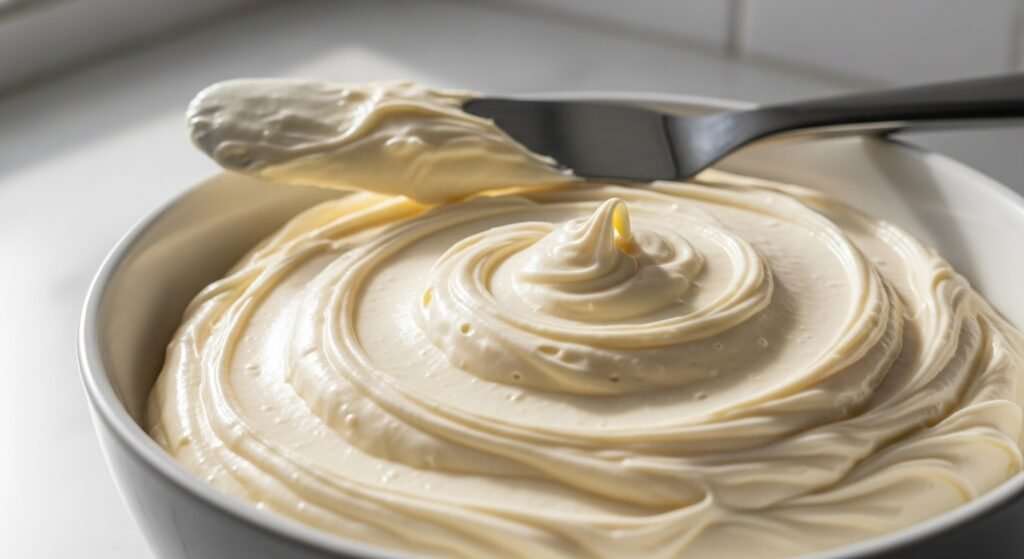
A proper cream cheese frosting should be smooth, thick, pipe-able, tangy, and perfectly balanced. Whether you’re topping cupcakes, carrot cake, cinnamon rolls, red velvet cake, or cookies, the right frosting transforms the dessert entirely. This recipe breaks down the method so you stop making mistakes and start getting consistent bakery-quality frosting every time.
Why Cream Cheese Frosting Is Worth Making
You can easily buy frosting in a tub, but it’s garbage compared to homemade. Here’s why making your own is the smarter move:
- Creamy, tangy flavor you can’t get from store-bought.
- You control sweetness (store-bought is aggressively sweet).
- Fresh ingredients = better texture.
- You can customize it for any dessert.
- It only takes 5 minutes to make correctly.
Most importantly, homemade cream cheese frosting actually tastes like cream cheese — not like sugar paste.
Ingredients You Need
Basic Cream Cheese Frosting
- 8 oz (225g) full-fat cream cheese, cold
- ½ cup (113g) unsalted butter, slightly softened
- 2 to 2½ cups powdered sugar
- 1 teaspoon vanilla extract
- Pinch of salt
This ratio gives the best texture.
Cream cheese adds tang and creaminess.
Butter adds structure and stability.
Powdered sugar sweetens and firms the mixture.
Optional Add-Ons
- Lemon zest or juice (fresh, not bottled)
- Cinnamon
- Maple syrup
- Cocoa powder
- Almond extract
Add-ons can enhance the frosting depending on what dessert you’re making.
The Importance of Using the Right Cream Cheese
Here’s where people make their first mistake: using whipped, low-fat, or spreadable tub cream cheese.
Don’t use them.
Ever.
The only correct type:
Full-fat block cream cheese.
Why?
- It’s firm enough to create thick frosting.
- It has the right fat-to-moisture ratio.
- It blends smoothly without breaking.
Spreadable tub cream cheese contains stabilizers and extra water. This makes your frosting runny no matter how much powdered sugar you add.
Step-by-Step Instructions
Step 1: Prep the Ingredients
Use cold cream cheese and slightly softened butter.
Not room temperature. Not warm.
Cold cream cheese prevents the frosting from turning soupy.
Step 2: Beat the Butter First
Beat the butter for 1–2 minutes until it’s creamy and pale.
This builds structure.
Step 3: Add the Cream Cheese
Add the cold cream cheese and beat again until fully blended and smooth.
Do not overmix — it can loosen the mixture.
Step 4: Add Powdered Sugar Gradually
Add ½ cup at a time.
Beat on low so it doesn’t explode everywhere.
Adjust sweetness based on what dessert you’re frosting.
Step 5: Add Vanilla and Salt
Mix just until combined.
Do not overbeat — this is where most people ruin the frosting.
Step 6: Chill (Optional but Recommended)
If you want a firmer consistency for piping, chill 20–30 minutes.
Why This Method Works
This isn’t random. It’s structural logic:
- Butter creates stability and airiness.
- Cold cream cheese prevents breaking.
- Slow addition of powdered sugar ensures smoothness.
- Minimal mixing reduces the chance of thinning.
- Chilling sets the fats for a firmer texture.
Do all of these and your frosting becomes almost fail-proof.
Common Mistakes People Make
Using tub cream cheese
Instantly creates watery frosting.
Overbeating
Cream cheese breaks down and becomes too soft.
Using warm butter
Makes everything greasy and loose.
Adding too much powdered sugar
Instead of thickening, it becomes gritty and overly sweet.
Not chilling
The frosting becomes too soft to pipe.
Fix these and your results will instantly improve.
How to Make the Frosting Thicker
If your frosting feels too soft, use these fixes:
- Chill for 20 minutes.
- Add 2 tablespoons powdered sugar (don’t overdo it).
- Add 1–2 tablespoons cornstarch (works well).
- Add 1 tablespoon meringue powder.
Do not keep adding more cream cheese. That makes it softer.
How to Make It Less Sweet
Most cream cheese frosting recipes drown in powdered sugar.
Here’s how to keep it balanced:
- Add a pinch more salt.
- Add 1 tablespoon lemon juice.
- Reduce powdered sugar to 1½ cups and add ½ cup cold cream cheese for structure.
You get tangy, lightly sweet frosting perfect for carrot cake or cinnamon rolls.
How to Make It Pipeable
If you want thick, firm frosting for cupcakes:
- Use cold cream cheese.
- Use 2½ cups powdered sugar.
- Chill for 20–30 minutes.
- Beat minimally once ingredients are combined.
This creates stiff frosting that holds shape beautifully.
How to Make Chocolate Cream Cheese Frosting
Add:
- ¼ cup cocoa powder
- Extra 1–2 tablespoons powdered sugar
- Optional: melted and cooled dark chocolate
Gives a rich, brownie-like flavor.
How to Make Lemon Cream Cheese Frosting
Add:
- 1 tablespoon fresh lemon juice
- 1 teaspoon lemon zest
Perfect for fruit cakes or blueberry muffins.
How to Make Cinnamon Cream Cheese Frosting
Add:
- 1 teaspoon cinnamon
- Optional: pinch of nutmeg
Great for cinnamon rolls or pumpkin desserts.
What to Use Cream Cheese Frosting On
Cream cheese frosting works on almost anything with warmth or spice:
Best Pairings
- Carrot cake
- Red velvet cake
- Cinnamon rolls
- Banana bread
- Pumpkin bread
- Apple cake
- Chocolate cupcakes
- Zucchini bread
- Sugar cookies
- Spice cake
Not recommended for
- Very light sponge cakes
- Whipped-cream-based desserts
- Very hot baked goods (it melts instantly)
Texture Expectations
A correct cream cheese frosting should be:
- Thick
- Smooth
- Spreadable
- Slightly tangy
- Not grainy
- Not stiff like buttercream
- Not watery
If yours doesn’t match this, you messed up the butter temperature, cream cheese type, or mixing time.
Storage Instructions
Refrigeration
Store frosting in an airtight container for up to 5 days.
Before using, let it sit for 10 minutes and re-whip gently.
Freezer
Freeze for up to 1 month.
Thaw overnight in the fridge.
On a Cake
Cakes frosted with cream cheese frosting must be refrigerated after 2 hours.
How to Fix Problems
Frosting too runny
- Chill
- Add cornstarch
- Stop beating it
Frosting too sweet
- Add lemon juice
- Add pinch of salt
Frosting too tangy
- Add 1–2 tablespoons powdered sugar
- Add 1 tablespoon butter
Frosting grainy
- Beat at low speed
- Use fresh powdered sugar
- Make sure butter is soft enough
Most problems have simple fixes if you understand what went wrong.
Final Thoughts
A great cream cheese frosting isn’t about luck — it’s about precision. The right ingredients, the correct temperatures, and a controlled mixing process make all the difference. Once you understand how the structure works, you can create perfect frosting every time with almost zero effort.
Whether you want it tangy, sweet, pipeable, light, or rich, the base recipe gives you a foundation you can adapt for literally any dessert.