Bright and Creamy Cilantro Lime Sauce Recipe
A Complete, No-Nonsense Guide
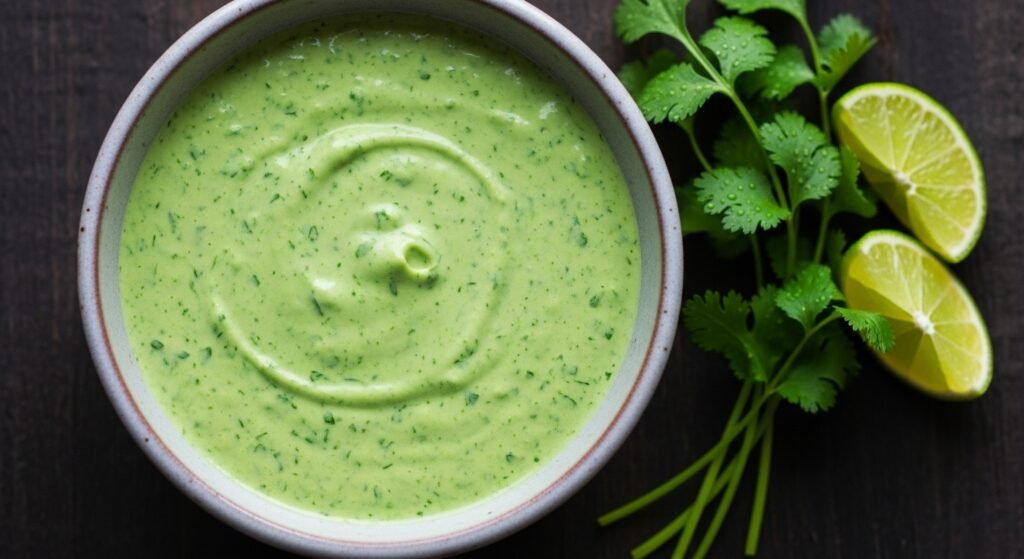
Why This Cilantro Lime Sauce Stands Out
Most people treat sauces as an afterthought, which is exactly why their food tastes average. This cilantro lime sauce isn’t a “cute drizzle” — it’s a flavor weapon. Tangy, creamy, herby, and bright. When done right, it elevates tacos, grilled meats, salads, and even basic rice bowls. But you only get that punch if you follow the ingredients and ratios properly. Random substitutions and careless blending will give you a dull, bitter mess.
Ingredients You Need
Don’t overthink it, don’t swap everything, don’t cut corners. These ingredients work together for balance:
- 1 cup fresh cilantro (packed)
- 1 clove garlic (not 3, not bottled)
- 1/2 cup sour cream or Greek yogurt
- 2–3 tbsp fresh lime juice
- 1/4 cup mayonnaise
- 1 jalapeño (seeds removed unless you want more heat)
- 1/4 cup olive oil
- 1/2 tsp salt
- 1/4 tsp black pepper
- Optional: 1–2 tbsp honey (for sweet balance)
- Optional: 1/2 avocado (for thickness)
If you use dried cilantro or bottled lime juice, don’t complain later that it tastes weak or sour — your choices ruined it.
The Flavor Balance Behind This Sauce
This sauce only works because of contrast:
- Cilantro brings freshness.
- Lime adds brightness and acidity.
- Sour cream/yogurt brings tang and creaminess.
- Mayo softens edges and creates body.
- Jalapeño gives mild heat.
- Olive oil adds smoothness and richness.
You don’t get this layered flavor by throwing things together randomly — the ratio actually matters.
How to Prep the Ingredients Properly
Small mistakes ruin sauces quickly, especially raw herb-based ones. Don’t be sloppy.
Clean the Cilantro Right
Rinse thoroughly — cilantro traps dirt easily. Shake out excess water. Wet leaves make your sauce watery.
Use Fresh Lime, Not Bottled
Bottled lime juice tastes flat and chemically sour. Fresh lime is non-negotiable.
Control Garlic
Too much raw garlic will overpower every other ingredient. One clove is enough unless you want a burning aftertaste.
Remove Jalapeño Seeds
Unless you want heat to dominate the herbs, remove seeds and ribs. Keep some if you want extra kick.
Step-by-Step: How to Make Cilantro Lime Sauce
You’re not cooking anything here — but that doesn’t mean it’s a dump-and-blend situation. The order matters.
Step 1: Add Cilantro and Jalapeño First
Start with greens closest to the blade so they break down properly. This avoids chunky bits later.
Step 2: Add Garlic, Lime Juice, and Salt
These sharpen the flavor and help herbs blend smoothly.
Step 3: Add Sour Cream, Mayo, and Olive Oil
These create the creamy base and round out acidity. Adding them too early can stop greens from blending evenly.
Step 4: Blend Until Completely Smooth
Pulse first, then blend on medium. Don’t over-blend or it heats up and turns bitter. Keep it smooth and bright green.
Step 5: Taste and Adjust
This part separates amateurs from people who know what they’re doing.
If it tastes too sour → add a bit more mayo
If it tastes dull → add salt
If it’s too thick → add a tablespoon of water or olive oil
If it’s bitter → you blended too long or used stale cilantro
Fix it before you serve it.
What Texture You Should Aim For
The ideal consistency is:
- Smooth
- Pourable
- Thick enough to cling to food
- Not watery
- Not chunky
If your sauce looks thin, you messed up measuring liquids or used wet cilantro. Add a spoon of mayo or a quarter of an avocado to fix it.
Why Some Versions Turn Bitter — and How to Avoid It
This is where many people screw up.
Overblending
Herbs turn bitter when the blender heats up. Blend just long enough to combine.
Using Old Cilantro
Yellow leaves = bitterness.
Too Much Garlic
Raw garlic gets sharp fast.
Too Much Lime Pith
Avoid squeezing limes to the point where the white pith enters the juice.
Fix the ingredient, not the entire recipe.
How to Store Cilantro Lime Sauce Properly
This sauce doesn’t last forever. Herbs lose freshness fast.
Refrigeration
- Store in an airtight container
- Keeps for 3–4 days max
- Stir before using
Preventing Color Loss
Add a thin layer of olive oil on top. It slows oxidation and keeps the green bright.
Freezing
You can freeze it, but the texture becomes grainy. Only do this if you’re using it later in cooked dishes.
Where to Use Cilantro Lime Sauce
Sauces are pointless unless you actually use them. This one is versatile if you know when to bring it out.
1. Tacos
Carnitas, shrimp, grilled chicken, or fish tacos — this sauce boosts everything.
2. Burrito Bowls
Rice + beans + chicken + sauce = done.
3. Grilled Meats
Chicken, steak, pork, shrimp — everything tastes fresher.
4. Roasted Veggies
Makes boring veggies taste like something worth eating.
5. Salads
Works as a dressing when thinned with a little water.
6. Sandwiches & Wraps
Better than most store-bought condiments.
7. Rice or Quinoa Bowls
One spoon transforms the entire dish.
8. As a Dip
For fries, chips, veggies, or spicy appetizers.
If you’re not using your sauce for these, you’re missing half its potential.
Variations That Actually Work
Not every “creative twist” online makes sense. These do:
1. Avocado Cilantro Lime Sauce
Add 1/2 avocado. Makes it thicker and richer.
2. Spicy Version
Keep jalapeño seeds or swap for serrano.
3. Dairy-Free Version
Replace sour cream with coconut yogurt.
Replace mayo with vegan mayo.
Add extra lime to balance sweetness.
4. Extra Tangy Version
Increase lime juice and swap some sour cream for Greek yogurt.
5. Thinner Dressing Version
Add water or buttermilk until it reaches a pourable dressing consistency.
6. Smoky Version
Add a pinch of smoked paprika or a little chipotle.
These variations won’t destroy the balance — they complement it.
Common Mistakes to Avoid
If your sauce tastes bad, it’s probably due to one of these rookie errors:
Using dried herbs
Completely kills flavor.
Skipping mayo
Mayo provides body and stability — without it the sauce becomes too acidic and runny.
Using bottled lime juice
Flat, fake flavor. Don’t use it.
Blending for too long
Heat = bitterness.
Adding too much garlic
This is a common amateur mistake. One clove is enough.
Storing in plastic containers
Plastic absorbs smell and dulls freshness. Use glass.
Not adjusting seasoning
Tasting and adjusting is basic cooking. Don’t skip it.
How to Make This Sauce for Large Batches
If you’re prepping for a party or meal prep:
Scaling Rules
- Double cilantro
- Double sour cream and mayo
- Increase lime juice slowly (don’t double immediately)
- Increase salt by 1.5×, not 2×
Acid scales differently than herbs and cream — don’t blindly double everything.
Use a Food Processor for Big Batches
Blenders struggle with large volumes of herbs. Food processors keep the texture consistent.
Why Cilantro Lime Sauce Works on Almost Anything
The reason this sauce blends into so many dishes is simple:
- Brightness cuts through heavy meats
- Creaminess balances spice
- Herbs add freshness
- Lime boosts flavor instantly
- Jalapeño adds controlled heat
This is why restaurants use sauces like this as “finishing touches.” A dish that feels boring suddenly feels complete. Try eating a taco without sauce — it’s dry, flat, and forgettable.
Final Thoughts
If you follow the steps clearly — use fresh herbs, the right balance of lime, creamy base ingredients, and a carefully controlled blending process — you’ll get a cilantro lime sauce that hits every time. This isn’t complicated, but it rewards precision. When done right, you end up with a green, bright, addictive sauce that boosts nearly any dish.
If you cut corners, you’ll end up with bitterness, thin texture, or harsh acidity. The sauce is simple, but not forgiving.