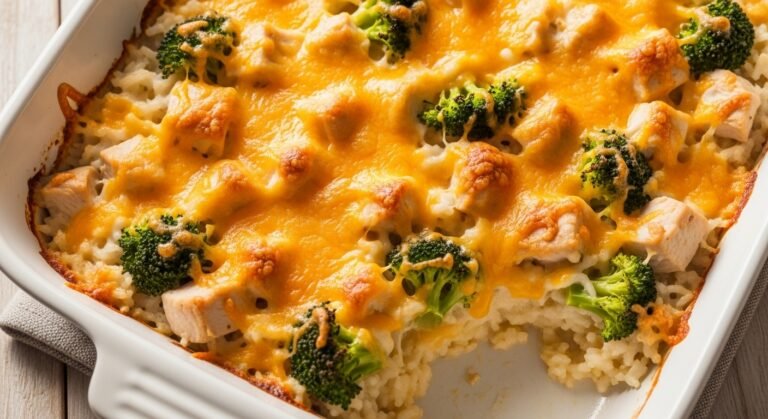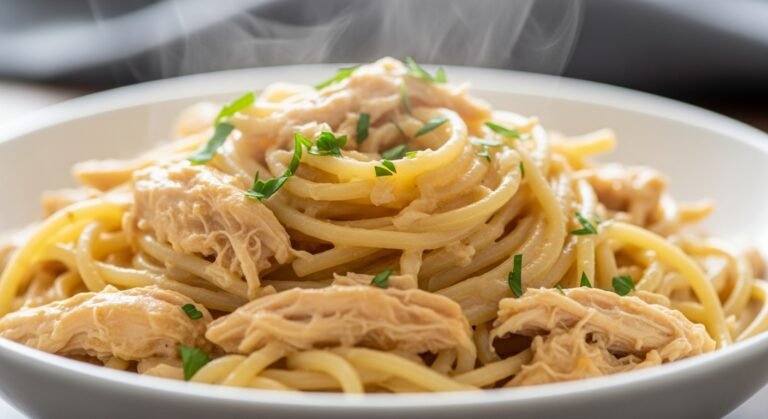
Easy Chicken Stir Fry with Crisp Fresh Veggies
Chicken Stir Fry with Vegetables Recipe

Introduction
Chicken stir fry with vegetables is one of the smartest meals you can make: fast, healthy, cheap, and customizable. The problem is most people treat it like a random dump-and-cook dish, and that’s exactly why their stir fry turns watery, bland, or mushy. A good stir fry is all about technique. When you understand heat control, ingredient order, and sauce balance, the dish becomes restaurant-quality every single time.
This recipe breaks down everything logically — the right cuts of chicken, the right vegetables, and the exact steps that prevent sogginess and boost flavor.
Why Chicken Stir Fry Is Worth Making
There’s a reason stir fry is a weeknight classic:
- It cooks in less than 15 minutes.
- It’s high in protein and full of nutrients.
- It’s customizable with almost any vegetable.
- It works for weight loss or muscle gain depending on tweaks.
- It costs far less than ordering takeout.
If you want a meal that’s fast, flavorful, and efficient, this is one of the most reliable recipes you’ll ever use.
Ingredients You Need
For the Chicken
- 500 g boneless chicken breast or thigh, thinly sliced
- 1 tablespoon soy sauce
- 1 tablespoon cornstarch
- 1 tablespoon oil
- ½ teaspoon black pepper
- 1 teaspoon minced garlic
For the Vegetables
Choose a mix of these for best texture and color:
- 1 cup broccoli florets
- 1 cup bell peppers (mixed colors), sliced
- 1 medium carrot, thinly sliced
- 1 small onion, sliced
- 1 cup snap peas or green beans
- ½ cup mushrooms (optional)
For the Stir Fry Sauce
- 3 tablespoons soy sauce
- 1 tablespoon oyster sauce
- 1 tablespoon vinegar or rice vinegar
- 1 tablespoon honey or brown sugar
- 1 teaspoon sesame oil
- 1 teaspoon cornstarch
- 3 tablespoons water
- Optional: ½ teaspoon chili flakes or sriracha
Each ingredient has a role — cornstarch thickens the sauce; soy sauce adds umami; vinegar balances sweetness; sesame oil gives depth.
Preparing the Chicken
The biggest mistake people make is cutting chicken too thick or cooking it cold from the fridge. Here’s what you should do:
Step 1: Slice Thin
Thin slices cook fast and evenly. Thick pieces become rubbery or dry.
Step 2: Marinate Properly
Combine chicken with soy sauce, cornstarch, oil, pepper, and garlic.
Let sit for 10–15 minutes.
The cornstarch locks moisture into the chicken and creates a velvety texture (the same method used in Chinese restaurants).
Preparing the Vegetables
Not all vegetables cook at the same speed. If you dump them all in at once, you’ll end up with uneven textures.
Fast-cooking vegetables
- Bell peppers
- Onions
- Mushrooms
Medium-cooking vegetables
- Snap peas
- Green beans
Slow-cooking vegetables
- Broccoli
- Carrots
Smart Prep Tip
Cut slow-cooking vegetables thinner. Cut fast-cooking vegetables thicker. This balances cooking time naturally.
Making the Stir Fry Sauce
Mix soy sauce, oyster sauce, vinegar, honey, sesame oil, cornstarch, and water in a small bowl until smooth.
Don’t add it directly into the wok without mixing — cornstarch will clump instantly.
Cooking Technique That Makes or Breaks Your Stir Fry
This is where most people fail. A proper stir fry needs high heat, speed, and small batches.
Step 1: Heat Your Pan Properly
Use a wok if you have one. If not, a wide pan works.
Heat until it’s almost smoking. Medium heat doesn’t cut it.
Step 2: Cook Chicken First
Add a tablespoon of oil.
Spread chicken out so it sears instead of steaming.
Cook 3–4 minutes until browned and nearly cooked through.
Remove from pan.
Step 3: Stir Fry Vegetables
Add more oil if needed.
Start with the vegetables that take longest: carrots and broccoli.
Stir fry 2–3 minutes.
Add snap peas, peppers, onions, and mushrooms.
Stir fry 2–3 more minutes.
Vegetables should stay crisp, not limp.
Step 4: Combine
Add chicken back into the pan.
Step 5: Add Sauce
Pour the sauce over everything.
Keep heat high and stir constantly for 1–2 minutes until thick and glossy.
Step 6: Finish
Turn off heat.
Add chili flakes or sesame seeds if you want extra flavor.
Why This Method Works
Here’s the blunt truth:
- High heat prevents water release.
- Cornstarch caramelizes and thickens.
- Separating cooking steps prevents sogginess.
- Quick cooking preserves crunch and color.
Cooking all ingredients at once ruins stir fry. Following the sequence gives that restaurant shine and texture.
Common Mistakes People Make
Overcrowding the pan
This traps steam and makes everything soggy.
Cooking on low heat
You’ll never get sear or flavor.
Adding sauce too early
Everything turns watery.
Cutting vegetables too big
They stay raw while chicken overcooks.
Skipping cornstarch
Chicken becomes dry and sauce doesn’t thicken.
Fix these mistakes, and your stir fry becomes 3× better instantly.
How to Make It Healthier
If you want a lighter version:
- Reduce oil
- Use more vegetables
- Use low-sodium soy sauce
- Replace honey with stevia
- Serve without rice
How to Make It High-Protein
- Add extra chicken or tofu
- Add a beaten egg at the end
- Add roasted peanuts or cashews
Flavor Variations You Should Try
Garlic Chicken Stir Fry
Add 2 extra tablespoons minced garlic.
Spicy Chicken Stir Fry
Add sriracha, chili oil, or Thai red chilies.
Lemon Chicken Stir Fry
Add 1 tablespoon lemon juice + lemon zest.
Ginger Chicken Stir Fry
Add 1 tablespoon grated ginger.
Teriyaki Chicken Stir Fry
Replace sauce with teriyaki + cornstarch.
Thai-Style Chicken Stir Fry
Add basil and fish sauce.
Indian-Style
Add turmeric, chili powder, and cumin.
Best Vegetables for Stir Fry
Not all vegetables behave the same. These are the best options:
- Broccoli
- Bell peppers
- Carrots
- Mushrooms
- Zucchini
- Baby corn
- Bok choy
- Snow peas
- Cabbage
- Bean sprouts
Choose 3–5 for balanced texture and color.
What to Serve with Chicken Stir Fry
White Rice
Classic, clean, and balances the sauce.
Fried Rice
Adds extra flavor and makes it a complete meal.
Noodles
Lo mein, ramen, or flat rice noodles.
Cauliflower Rice
Low-carb option.
Quinoa
High-protein alternative.
Meal Prep Tips
This recipe is perfect for meal prep if you follow these rules:
- Undercook vegetables slightly so they stay crisp later.
- Store sauce separately if meal prepping for 3+ days.
- Add fresh herbs only when serving.
Keeps well for 3–4 days in the refrigerator.
Texture Expectations
A correct stir fry should be:
- Chicken tender and juicy
- Vegetables crisp, not mushy
- Sauce glossy and thick
- Balanced salty-sweet-tangy flavor
If it’s too watery, you messed up heat control or sauce timing.
Storing and Reheating
Refrigerator
Store in airtight container for 3–4 days.
Freezer
Not ideal because vegetables soften, but still possible for up to 1 month.
Reheating
Reheat on high heat in a pan for best results — not in the microwave.
Final Thoughts
Chicken stir fry with vegetables is one of the simplest and smartest meals you can make. It’s fast, nutritious, affordable, and incredibly forgiving once you understand the basic technique. The key is high heat, proper ingredient order, and a well-balanced sauce. Master this recipe once, and you can create endless variations without ever needing takeout again.