Carrot Cake Recipe: The Moist, Flavor-Packed Cake Everyone Keeps Asking For
A Moist, Flavor-Packed Classic That Never Fails
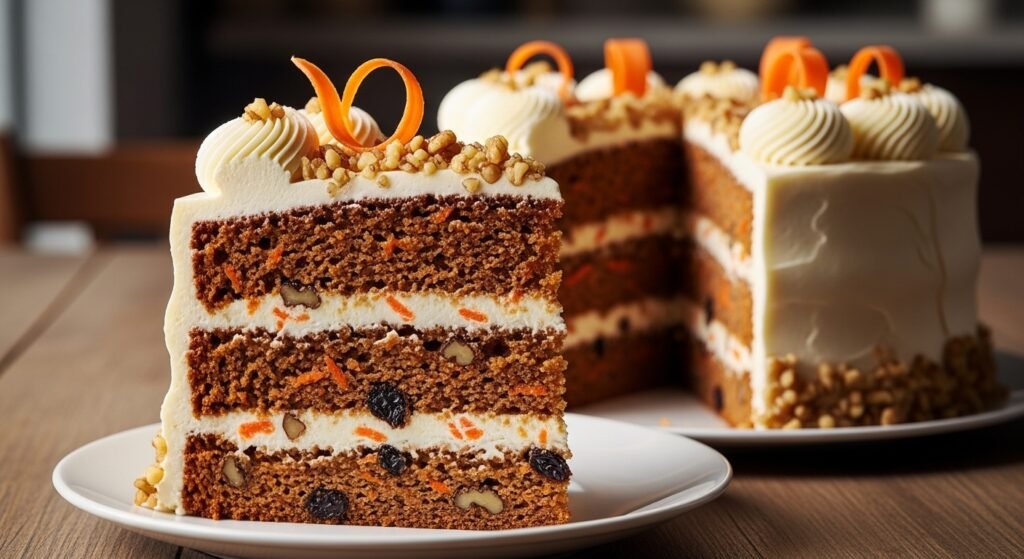
A good carrot cake doesn’t need fancy tricks. It needs proper balance—moist crumb, warm spices, real carrots, and a frosting that actually complements the cake instead of drowning it in sweetness. If you want a carrot cake recipe that consistently hits that sweet spot, this guide lays it out step by step with zero nonsense. You’ll get the method, the science behind each step, common mistakes people make, and how to avoid them. By the end, you’ll know exactly how to make a carrot cake that tastes professional, not amateur.
What Makes a Great Carrot Cake
Most people assume carrot cake tastes like carrots—that’s wrong. The carrots are there for moisture and natural sweetness, not flavor. What you’re really tasting is the blend of cinnamon, nutmeg, brown sugar, vanilla, and the richness from oil and eggs. The carrot fibers trap moisture, which is why a well-made carrot cake stays soft for days without drying out. If your carrot cake ever turned dense, gummy, or wet in the center, you messed up either the mixing method or the moisture balance. This recipe fixes that.
Ingredients That Actually Matter
People dump everything into carrot cake—pineapple, coconut, raisins, nuts. Sometimes it works, but usually it turns into a soggy mess. Stick to the essentials unless you know what you’re doing. Here’s what the base recipe needs and why:
Dry Ingredients
- All-purpose flour: gives structure; too much = dry cake
- Baking soda + baking powder: ensures lift
- Salt: boosts flavor
- Cinnamon, nutmeg, ginger: warmth and depth
Wet Ingredients
- Oil (not butter): keeps the cake moist for days
- Eggs: bind and lift
- Brown sugar + white sugar: sweetness + caramel notes
- Vanilla extract: flavor backbone
Star Ingredient
- Freshly grated carrots: pre-grated packaged carrots are dry and useless; grate your own
Optional Add-Ins
Use ONLY if you want extra texture but don’t overdo it:
- Chopped walnuts or pecans
- Raisins
- Shredded coconut
If you add pineapple, drain it properly or your cake will collapse.
Step-by-Step Carrot Cake Recipe
This method avoids overmixing, uneven baking, and the classic mistake—adding too much moisture.
Ingredients (for a 2-layer 9-inch cake)
- 2 cups all-purpose flour
- 1 ½ cups granulated sugar
- ½ cup brown sugar
- 1 tsp baking powder
- 1 tsp baking soda
- ½ tsp nutmeg
- 1 tbsp cinnamon
- ½ tsp ginger powder
- ½ tsp salt
- 1 cup vegetable or canola oil
- 4 large eggs
- 3 cups freshly grated carrots
- 1 tsp vanilla extract
- 1 cup chopped walnuts (optional)
Frosting (Classic Cream Cheese)
- 220g cream cheese (softened)
- ½ cup butter
- 2–3 cups powdered sugar
- 1 tsp vanilla
- Pinch of salt
Method
1. Prep work
Line your pans. Oil the sides. If you skip this, don’t cry when your cake sticks.
Preheat your oven to 350°F (175°C) properly—most people fail because they start baking too early.
2. Mix dry ingredients
Combine flour, spices, salt, baking powder, and baking soda. Stir well so your batter rises evenly.
3. Combine wet ingredients
Whisk oil, eggs, sugars, and vanilla. The mixture should look glossy, not separated.
4. Add dry to wet
Pour dry ingredients into wet in two batches. Mix only until combined. If you keep mixing, you develop gluten and end up with a tough cake.
5. Fold in carrots
Add freshly grated carrots. They should be moist, thin, and bright—if they look pale or dried out, they’ll ruin the texture.
6. Add nuts (optional)
Fold gently. Don’t add too many or the cake becomes heavy.
7. Bake
Divide batter evenly between pans.
Bake 30–35 minutes, or until a toothpick comes out clean.
Don’t poke the cake too early—you’ll deflate it.
8. Cool completely
If you frost warm cake layers, your frosting will melt and slide. Don’t be impatient.
9. Make frosting
Beat butter and cream cheese until smooth.
Add powdered sugar gradually.
Taste and adjust. Avoid making it overly sweet.
10. Assemble
Spread frosting on the first layer. Add second layer. Frost the exterior.
Chill the cake for at least 30 minutes to set the frosting.
Common Mistakes (And How to Avoid Them)
Using store-bought grated carrots
They’re dry and hard. Your cake will taste weirdly coarse.
Adding too much moisture
Extra pineapple, too much oil, or soggy carrots = unstable cake.
Overmixing the batter
You build gluten and kill the soft texture.
Underbaking
Carrot cake is dense—if your oven is weak, extend baking time by 5–10 minutes.
Oversweet frosting
Most people add sugar blindly. Taste as you go.
Variations You Can Try
Carrot Walnut Cake
Add toasted walnuts for crunch.
Carrot Cake Loaf
Bake the same batter in a loaf tin. Reduce frosting.
Healthy-ish Carrot Cake
Swap half flour for whole wheat
Reduce sugar by 25%
Use applesauce for half the oil
Carrot Cupcakes
Bake for 18–20 minutes. Frost lightly.
Storage & Shelf Life
Carrot cake lasts surprisingly long because of its moisture content.
- Refrigerated: 4–5 days
- Frozen (unfrosted): 2 months
- Frozen (frosted): 1 month
Wrap tightly to prevent drying.
Why This Carrot Cake Works
This recipe uses enough carrots to keep the cake moist but not so much that it collapses. The oil and brown sugar balance the crumb. The spices add depth without making it taste like a spice cake. The frosting uses just enough sugar to make it smooth but not overly sweet. Everything is calibrated to avoid the usual beginner mistakes.
Final Verdict
If you follow this recipe exactly—no shortcuts, no unnecessary add-ins—you’ll end up with a carrot cake that tastes bakery-level. Moist but not soggy, sweet but not cloying, and perfectly spiced. Most “easy” recipes online are lazy and ignore baking science. This one actually respects the craft.