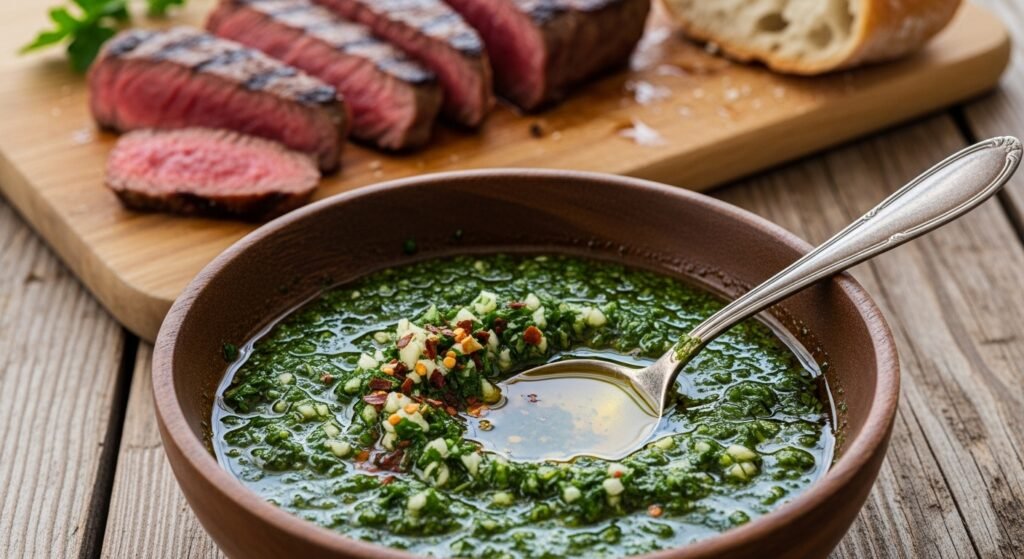
Fresh Homemade Chimichurri Sauce That Pops
Chimichurri Sauce Recipe
Introduction to Chimichurri
Chimichurri is one of those sauces people underestimate until they taste the real thing. It’s bold, sharp, herb-packed, and instantly transforms boring grilled meat into something worth serving. This Argentine classic isn’t complicated, but most home cooks butcher it by over-blending, using the wrong herbs, or drowning it in vinegar. Done right, chimichurri is fresh, bright, and balanced, not a mushy green paste.
This guide cuts straight to the essentials: the exact ingredients, the right ratios, variations that actually improve the flavor, mistakes amateurs make, and techniques that give you the authentic texture. If you want a sauce that hits hard and upgrades everything from steak to roasted vegetables, this recipe delivers.
Ingredients You Need for Chimichurri
Don’t overthink this. Chimichurri is simple but demands quality ingredients.
Fresh Herbs
- 1 cup fresh parsley, packed
- ½ cup fresh cilantro (optional but widely used)
- 1 tbsp fresh oregano or 1 tsp dried oregano
Why these herbs?
Parsley brings the base flavor, cilantro adds sharpness, and oregano gives depth. Leaving out oregano makes the sauce flat.
Aromatics
- 4–6 cloves garlic, finely minced
Garlic is non-negotiable. Don’t use garlic paste — it ruins texture and flavor.
Acidity
- 2–3 tbsp red wine vinegar
This vinegar balances the oil and herbs. Don’t swap with lemon juice unless you want a totally different flavor profile.
Oil
- ½ cup extra virgin olive oil
Cheap oil gives cheap flavor. Use the good one.
Seasoning
- ½ tsp crushed red chili flakes
- ½ tsp black pepper
- 1 tsp salt
If you want heat, increase chili flakes — but don’t turn it into chili oil.
How to Make Chimichurri
Chimichurri is a raw sauce. No cooking, no blending. The method matters.
Step 1: Chop the Herbs
Chop parsley and cilantro by hand, not in a food processor.
If you blend it, you’ll create a green sludge instead of a sauce with fresh texture.
Step 2: Mince the Garlic
Chop finely — don’t leave large chunks. Large pieces overpower the sauce.
Step 3: Mix the Dry Ingredients
Combine herbs, garlic, oregano, chili flakes, salt, and pepper in a bowl.
Mix thoroughly so the flavors distribute evenly.
Step 4: Add Vinegar
Pour the vinegar in and stir.
This starts extracting the herb oils.
Step 5: Add Olive Oil
Add the oil slowly.
You want everything coated but not swimming in oil. Chimichurri should be saucy, not greasy.
Step 6: Rest
Let the sauce sit for at least 20–30 minutes.
The longer it rests, the better the flavors come together.
What Chimichurri Should Actually Taste Like
Most people think chimichurri is “just herbs in oil,” which explains why they make such a bland version. Real chimichurri is:
- Bright and acidic
- Herb-forward
- Slightly garlicky
- Lightly spicy
- Not too oily
- Fresh, not mushy
- Textured, not blended
If your version is dark green, smooth, and bitter, you messed up somewhere — likely blending or overworking the herbs.
Different Variations You Can Try
Chimichurri has dozens of regional variations. But don’t mix everything blindly — only make variations that complement what you’re serving.
Red Chimichurri (Chimichurri Rojo)
This version uses more personality and works especially well with grilled beef.
Ingredients difference:
- Add 1 tbsp smoked paprika
- Add 1 tsp tomato paste (optional)
- Increase chili flakes
Spicy Chimichurri
For heat lovers:
- Add 1 fresh red chili, finely chopped
- Add ½ tsp cayenne
Citrus Chimichurri
Good with seafood and chicken.
Replace half of the vinegar with:
- 1 tbsp lemon juice
- 1 tbsp lime juice
Basil Chimichurri
Works with Italian-style dishes.
Replace cilantro with basil.
Garlic-Heavy Chimichurri
Double the garlic, but mince it extremely fine to avoid overpowering bites.
How to Use Chimichurri Properly
Chimichurri is not just for steaks. Use it smarter and you’ll see how versatile it is.
With Grilled Meat
This is the classic use.
Spoon chimichurri over:
- Steak
- Lamb
- Chicken thighs
- Pork chops
Don’t cook the sauce — it’s meant to stay fresh.
As a Marinade
Use it before grilling to add deeper flavor.
But don’t marinate for too long — the vinegar can break down meat fibers.
With Seafood
Drizzle over:
- Shrimp
- Grilled fish
- Salmon
Use the citrus variation for best results.
On Vegetables
Roasted potatoes, grilled vegetables, mushrooms — they all work beautifully.
With Bread
A simple dip made of bread + chimichurri is way better than butter or hummus.
What NOT to Do When Making Chimichurri
People make the same mistakes again and again. Avoid these if you want the sauce to taste like the real thing.
Blending the Sauce
This destroys texture and changes flavor. Hand chop only.
Using Old Herbs
Wilted parsley = bitter, muddy flavor.
Using Too Much Oil
It becomes greasy, not saucy.
Adding Sweet Ingredients
No honey, no sugar. Chimichurri is NOT a sweet sauce.
Using Lemon Instead of Vinegar
Lemon makes it too citrusy and unstable. Vinegar preserves and balances everything.
Skipping the Rest Time
Fresh chimichurri tastes raw and unbalanced. Resting is mandatory.
How to Store Chimichurri
Chimichurri stores surprisingly well if handled correctly.
Refrigeration
- Lasts 3–5 days
- Keep covered
- Add a thin layer of olive oil on top to prevent oxidation
Freezing
Yes, you can freeze it — but only if you portion it.
Best method:
- Fill ice cube trays
- Freeze
- Store cubes in airtight bags
Thaw before serving, stir well, and refresh with a splash of vinegar.
Troubleshooting Your Chimichurri
If your chimichurri tastes off, fix it logically.
Too Bitter
Possible causes:
- Old parsley
- Over-chopped herbs
- Too much oregano
Fixes:
- Add more oil
- Add a splash of vinegar
- Add more fresh parsley
Too Oily
Fixes:
- Add more vinegar
- Add more herbs
- Add a pinch of salt
Too Sour
Fixes:
- Add more olive oil
- Add a pinch of chili flakes
- Add a little parsley
Too Garlicky
Fixes:
- Let it rest longer
- Add more oil
- Add more herbs
Why Chimichurri Works So Well
Chimichurri hits your taste buds from every angle — acidity, fat, spice, herbs, and aromatics. That balance is why it pairs with almost any savory dish. The acidity cuts through richness, the herbs brighten heavy foods, and the garlic adds intensity.
It’s a raw sauce, so the flavors stay sharp and fresh. You’re not cooking them away, which is why each ingredient matters. When you use good herbs, high-quality olive oil, and proper balancing, you get a sauce that transforms even average dishes.
Final Thoughts
Chimichurri is simple but demands precision. It’s not about dumping herbs in a bowl — it’s about balancing acidity, oil, herbs, and garlic in the right ratios. If you follow the steps here, chop by hand, use fresh ingredients, and give the sauce time to rest, you’ll end up with a chimichurri that tastes bright, bold, and authentic.