Perfect Fluffy Rice Every Time: Simple Method
Why Fluffy Rice Matters
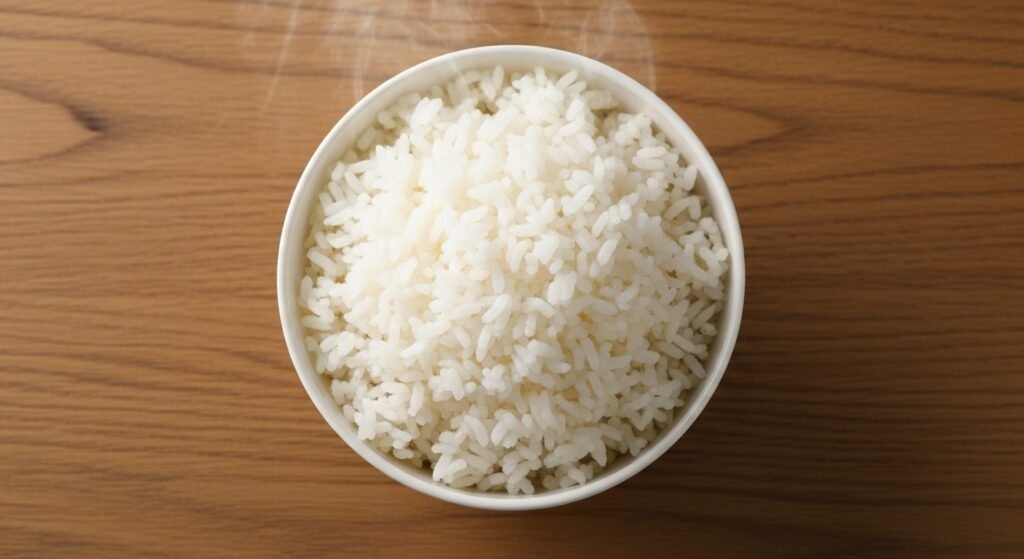
If your rice keeps turning out sticky, mushy, or clumped together, you’re doing something wrong. Fluffy rice isn’t rocket science — it’s just a set of small, precise steps. Once you follow them, you stop guessing and start getting consistently perfect results every single time. No excuses.
Understanding What Makes Rice Fluffy
You can’t fix a problem without knowing what causes it. Rice becomes fluffy when:
- Each grain cooks evenly
- Excess starch is removed
- Heat and moisture are balanced
- You avoid over-stirring or over-cooking
Most people mess up because they throw rice and water together without caring about ratios or technique. That’s why your rice gets mushy. Fix the technique, and the texture fixes itself.
Choose the Right Type of Rice
Different rice types cook differently. If you’re using the wrong rice for the wrong result, you’ll fail before you start.
Long-Grain Rice
- Best for fluffy rice
- Low starch
- Grains stay separate
- Examples: Basmati, Jasmine
Medium-Grain Rice
- Slightly stickier
- Good for fried rice after cooling
- Not ideal if you want very fluffy grains
Short-Grain Rice
- High starch
- Sticky texture
- Not suitable for fluffy results
If you want guaranteed fluffiness, stick to long-grain.
Rinse the Rice Properly
Skipping rinsing is one of the biggest mistakes. Rice is coated with surface starch that turns into glue when cooked.
How to Rinse Correctly
- Put rice in a bowl.
- Fill with water.
- Swirl vigorously.
- Drain.
- Repeat 3–5 times until water is nearly clear.
If you’re too lazy to rinse, you’re choosing sticky rice on purpose.
Use the Correct Water-to-Rice Ratio
Wrong measurements = ruined rice. Be precise.
Standard Ratios
- Long-grain white rice: 1:2 (1 cup rice : 2 cups water)
- Jasmine rice: 1:1.75
- Basmati rice: 1:1.5 after soaking
- Brown rice: 1:2.5
Don’t eyeball it. Use a measuring cup.
Optional Step: Soak the Rice
Soaking improves texture, increases fluffiness, and ensures even cooking.
Soaking Guide
- Basmati: 20–30 minutes
- Jasmine: 10 minutes
- Long-grain white rice: optional
Soaking makes grains longer, lighter, and less sticky. If you skip it, the rice still cooks — just not at the highest quality.
Use a Heavy-Bottomed Pot
Thin pots scorch the bottom and leave the top undercooked. Use:
- A thick stainless steel pot
- A cast-iron pot
- A rice cooker (idiot-proof option)
If your pot heats unevenly, your rice never turns out perfect.
Add Fat for Better Texture
A tiny amount of fat helps grains stay separate.
- ½–1 teaspoon oil or butter per cup of rice
- Mix lightly before adding water
This step is subtle but useful if you want polished, restaurant-like results.
Cook on Medium Heat First, Then Low
You must control the heat. Most people destroy rice by using high heat from start to finish.
Correct Heat Flow
- Start on medium heat to bring water to a light boil.
- Once boiling, reduce to the lowest possible heat.
- Let it simmer slowly with the lid closed.
Fast boiling makes rice burst and become mushy. Slow steaming is what achieves fluffiness.
Never Lift the Lid While Cooking
Opening the lid kills the steam — the most important part of the cooking process.
Every time you peek, you release pressure, moisture, and heat. That leads to uneven rice. Don’t touch the lid until the timer ends.
The Right Cooking Time
Don’t guess. Follow these timelines:
- Long-grain white rice: 15 minutes simmering
- Basmati: 12–15 minutes
- Jasmine: 12 minutes
- Brown rice: 35–45 minutes
If you cook longer than needed, you’re inviting mush.
Rest the Rice After Cooking
This step separates the professionals from the amateurs.
Resting Method
- Turn off heat
- Keep lid on
- Let rice sit undisturbed for 10 minutes
This allows moisture to distribute evenly, giving grains the perfect structure. Skip this and your rice becomes sticky.
Fluff with a Fork — Not a Spoon
Don’t stir aggressively. You’re not mixing soup.
How to Fluff Correctly
- Use a fork
- Lift and separate gently
- Don’t break the grains
A spoon compresses rice and ruins the texture.
Common Mistakes to Avoid
If your rice fails, it’s probably because of one of these reasons:
Too Much Water
Makes rice mushy, clumpy, and sticky. Stick to ratios.
High Heat
Boils water too fast, causing uneven cooking.
Stirring While Cooking
This activates starch and turns the pot into a glue factory.
Not Rinsing
Rice becomes sticky and clumps instantly.
Cheap Thin Pots
Bottom burns before top cooks.
Opening the Lid
Loses steam and ruins texture.
Stop doing these, and your rice immediately improves.
How to Make Fluffy Rice in a Rice Cooker
If you want zero effort, use a rice cooker — but still follow the basics.
Steps
- Rinse rice thoroughly.
- Add correct water ratio.
- Add a little oil or butter.
- Press cook.
- Let it sit on “warm” for 10 minutes after finishing.
- Fluff with a fork.
Rice cookers eliminate heat control mistakes — the most common human error.
How to Fix Rice That’s Too Mushy
You already messed up, but you can salvage it.
Methods
- Spread rice on a tray and air-dry under a fan
- Bake in the oven at low heat for 10–15 minutes
- Use it for fried rice tomorrow (works surprisingly well)
Don’t expect miracles, but you can recover it enough to avoid wasting food.
How to Fix Rice That’s Undercooked
If you underestimated water or heat:
Fix
- Add 2–3 tablespoons of water
- Cover tightly
- Steam on low for 5 minutes
- Rest 5 minutes
This will finish cooking without turning mushy.
Bonus Trick: Perfect Restaurant-Style Basmati
Follow these add-ons:
- Soak 30 minutes
- Add 1 teaspoon oil
- Add whole spices (optional): cardamom, bay leaf, cloves
- Use 1:1.5 ratio
- Simmer on lowest heat
End result: long, aromatic, separate grains — exactly like premium restaurant biryani rice.
Storing and Reheating Fluffy Rice
Rice texture drops when stored wrong. Fix it with these steps.
Storing
- Cool rice completely
- Store in airtight container
- Refrigerate up to 3–4 days
Reheating
- Sprinkle water on rice
- Microwave covered for 1 minute
- Or steam for 3–4 minutes
Never reheat dry — moisture is necessary.
Final Thoughts
If you want fluffy rice every time, stop guessing. Follow the ratios, control the heat, rinse properly, and don’t touch the lid. These aren’t suggestions — these are rules. Once you master them, your rice becomes consistently perfect, no matter what variety you use or what dish you’re making.