Bold & Spicy Homemade Gochujang Sauce Recipe
Gochujang Sauce Recipe
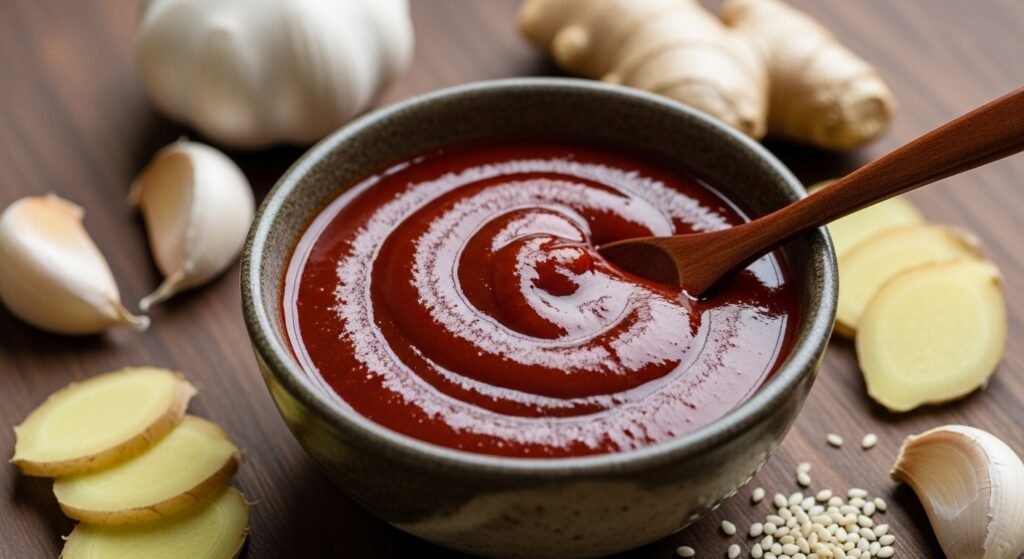
If you think gochujang is just another chili paste, you’re wrong. This Korean staple has a depth of flavor that destroys most store-bought sauces in comparison. A proper gochujang sauce recipe combines heat, sweetness, umami, and tang. When you get the balance right, it transforms everything—no exaggeration. Whether you’re using it for marinades, stir-fries, burgers, wings, or dipping, this sauce easily becomes a kitchen essential. And if you’re still buying bottled versions, you’re wasting money and missing out on fresh flavor.
This guide breaks down exactly how to make the best gochujang sauce at home, how to adjust it to your taste, and how to use it in different dishes. No nonsense, no filler—just the real deal.
What Makes Gochujang Sauce Unique?
Gochujang isn’t like other chili sauces. It has a layered flavor profile because the core ingredient—fermented Korean chili paste—already comes packed with complexity. When you convert gochujang paste into a sauce, you unlock its flavor even more.
Here’s why the sauce stands out:
- Fermented depth: You can’t fake this. Fermentation creates natural umami.
- Balanced heat: It’s spicy, but not in-your-face like raw chili flakes.
- Sweet undertones: The sauce becomes round and smooth, not harsh.
- Versatility: Works with meat, veggies, noodles, rice, sandwiches, salads—you name it.
If you want a multipurpose Asian-style sauce that works in 50+ dishes, this is the strongest contender.
Ingredients You Need for a Proper Gochujang Sauce Recipe
Stop improvising. Use the right ingredients to get the right taste. Here’s the core list:
- 3 tablespoons gochujang (Korean chili paste)
- 1 tablespoon soy sauce
- 1 tablespoon rice vinegar
- 1 tablespoon sesame oil
- 1 tablespoon honey or brown sugar
- 2 teaspoons minced garlic
- 1 teaspoon grated ginger
- 2–3 tablespoons water (to adjust consistency)
- Optional: 1 teaspoon toasted sesame seeds
- Optional: ½ teaspoon chili flakes (if you want extra heat)
Each ingredient has a purpose. Skip something, and the balance will be off.
Step-by-Step Instructions to Make Gochujang Sauce
Let’s not complicate things. The process is stupidly simple—but only if you follow it correctly.
Step 1: Add the Base Flavor
Take a mixing bowl and add gochujang, soy sauce, sesame oil, and honey. These four ingredients are the backbone of the sauce.
Step 2: Add Aromatics
Mix in garlic and ginger. These aren’t optional unless you enjoy bland food.
Step 3: Add Tang
Now pour in the rice vinegar. Don’t replace it with lemon juice unless you want a completely different taste.
Step 4: Adjust Thickness
Add 2–3 tablespoons of water to thin out the sauce. Keep it smooth, not runny.
Step 5: Combine Everything
Whisk until you get a perfectly glossy, uniform sauce. If you see lumps, you didn’t mix well enough.
Step 6: Taste and Fix
This is where most people mess up—they don’t adjust.
- Too thick? Add a little more water.
- Not sweet enough? Add honey.
- Too spicy? Add more sesame oil or sugar.
- Not tangy enough? Add a tiny splash of vinegar.
Taste. Adjust. Repeat. That’s how you get it right.
How to Store Gochujang Sauce Properly
Don’t be careless. Store it correctly and it lasts up to two weeks.
- Use an airtight jar.
- Keep it refrigerated.
- Stir before using because natural separation happens.
If your sauce smells sour or strange, throw it away. Don’t act over-smart with expired fermented ingredients.
Ways to Use Gochujang Sauce
If you make this once, you’ll find yourself using it everywhere. Here are the best uses:
1. Korean BBQ Marinade
Mix it with soy sauce, garlic, and oil. Coat chicken, pork, or beef before grilling.
2. Stir-Fry Sauce
Add it to veggies or noodles for instant flavor.
3. Burger or Sandwich Spread
Apply a thin layer on buns. Your burger immediately gets an upgrade.
4. Glaze for Chicken Wings
Coat wings after frying or air-frying. Sticky, spicy perfection.
5. Rice Bowl Topping
Drizzle over rice, eggs, tofu, or veggies.
6. Dipping Sauce
Use it for dumplings, fries, spring rolls, or roasted vegetables.
7. Ramen Flavor Booster
Add a spoon into broth to make it richer and spicier.
If you don’t experiment, you’re wasting the potential of this sauce.
Flavor Variations You Can Try
This is where you can customize without ruining the original flavor.
Spicy Version
Add extra chili flakes or a dash of Korean chili powder (gochugaru).
Sweet Version
Increase honey or add brown sugar.
Smoky Version
Add a tiny amount of smoked paprika or chipotle.
Creamy Version
Mix with mayo or Greek yogurt for dips and sandwiches.
Citrus Version
Add a few drops of orange or lime juice. Don’t overdo it.
These variations keep the sauce interesting instead of boring.
Why Homemade Gochujang Sauce Is Better Than Store-Bought
Store-bought versions are convenient but bland, diluted, and often full of preservatives. If you think store-bought tastes “good enough,” you haven’t tried a properly balanced homemade version.
Here’s the blunt reality:
- You control sweetness, heat, and thickness.
- You avoid artificial ingredients.
- You get a fresher, stronger flavor.
- You save money—one jar of gochujang makes multiple batches.
If you cook often, this is a no-brainer.
Common Mistakes People Make
Let’s call them out directly so you don’t repeat them.
Using low-quality gochujang
Cheap brands taste harsh. Use a good Korean brand—that’s non-negotiable.
Replacing ingredients randomly
No, lemon juice is not the same as rice vinegar.
No, vegetable oil is not the same as sesame oil.
Stop butchering the recipe.
Not balancing the sauce
Taste as you go. If you skip this step, don’t complain about flavor.
Making it too watery
Water is just for adjusting consistency, not for diluting the flavor.
Not using fresh garlic/ginger
Paste versions are weaker and taste artificial.
Be smart and avoid these.
Nutritional Information (Approx per 2 tbsp)
This is for people who pretend to “eat clean” but still want bold flavor:
- Calories: 70–90
- Fat: 3–4g
- Carbs: 10–12g
- Sugar: 6–8g
- Protein: 1–2g
It’s not unhealthy, but don’t drown your food in it.
Final Thoughts
A solid gochujang sauce recipe is a must-have in any modern kitchen. The combination of heat, sweetness, umami, and tang makes it ridiculously versatile. And once you make it at home, you’ll realize how weak store-bought versions truly are.
Follow the ingredients, balance the flavors, and actually taste before finalizing. That’s how you get a powerful sauce that works in dozens of dishes. Don’t skip steps. Don’t substitute carelessly. And definitely don’t settle for average flavor.