Creamy Peppercorn Steak Sauce Made Easy at Home
Introduction to Peppercorn Sauce
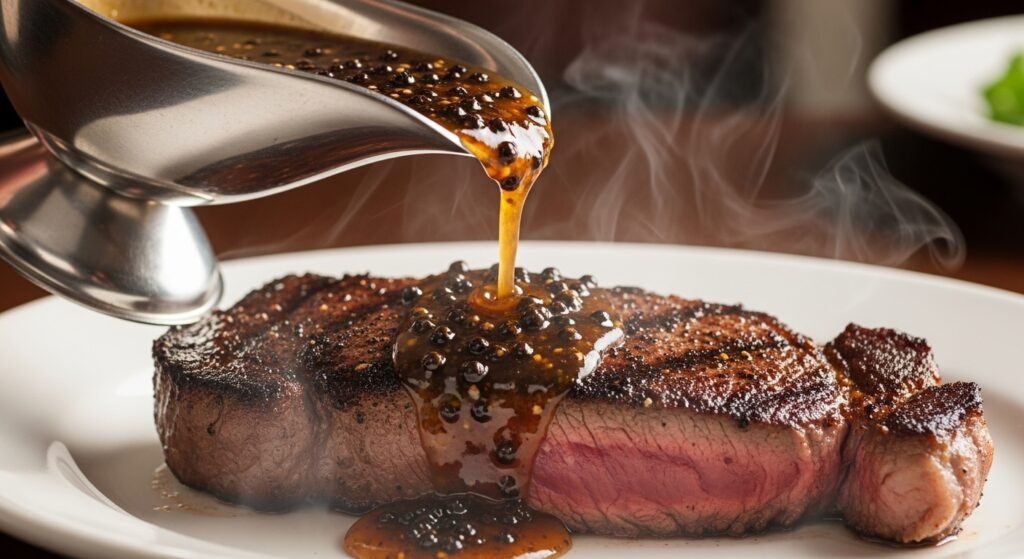
Peppercorn sauce is the classic partner for steak because it hits the exact flavor balance your palate craves: rich, creamy, spicy, and aromatic. When done right, it turns even an average steak into something that tastes like a premium restaurant meal. But most people screw it up by burning the pepper, thinning the sauce too much, or using low-quality cream. You’re going to avoid all that. This guide gives you the real process—no weak shortcuts.
What Makes Peppercorn Sauce Special
The sauce works because it isn’t just “spicy cream.” The depth comes from crushed pepper, the heat comes from alcohol reduction, and the richness comes from butter and cream. You get layers of flavor, not one flat note. The alcohol (usually brandy or cognac) extracts pepper oils and adds complexity you can’t fake.
Choosing the Right Peppercorns
Not all peppercorns are equal. If you grab powdered black pepper from a cheap packet, you’ll end up with bitter sludge.
Best Peppercorns for This Sauce
- Black peppercorns — strong classic flavor
- Green peppercorns (in brine) — mild heat, great aroma
- Pink peppercorns — fruity and delicate, use sparingly
- Mixed peppercorn blend — good balance if you want complexity
How to Crush Peppercorns Properly
Do not grind them fine. You’ll lose texture and aroma.
- Use a mortar and pestle.
- Or press down with the flat side of a knife.
- Goal: coarse chunks, not dust.
Base Ingredients You Actually Need
There’s no point pretending this sauce works with pantry shortcuts. These are the essentials:
- Butter
- Shallots or finely chopped onions
- Crushed peppercorns
- Brandy or cognac
- Beef stock or broth
- Heavy cream
- Salt
- Optional: Dijon mustard, garlic, Worcestershire sauce
The combination of pepper, alcohol reduction, and cream sets the foundation.
Perfect Peppercorn Sauce for Steak – Core Recipe
This is the version restaurants serve because it’s balanced and consistent.
Ingredients
- 2 tbsp crushed black peppercorns
- 1 tbsp butter
- 1 small shallot, finely chopped
- 1–2 tbsp brandy or cognac
- ½ cup beef stock
- ½ cup heavy cream
- Salt to taste
- Optional: 1 tsp Dijon mustard
Instructions
- Toast the peppercorns.
Medium heat, no oil. Don’t burn them. Let them warm until aromatic. - Add butter and shallots.
Sauté until soft but not brown. - Deglaze with brandy/cognac.
Let it sizzle and reduce by half. This builds depth. - Pour in beef stock.
Simmer for 3–5 minutes until slightly thick. - Add cream.
Stir and simmer until the sauce coats the back of a spoon. - Season lightly.
Add salt and adjust pepper level. - Finish with optional Dijon.
Adds tang and ties flavors together.
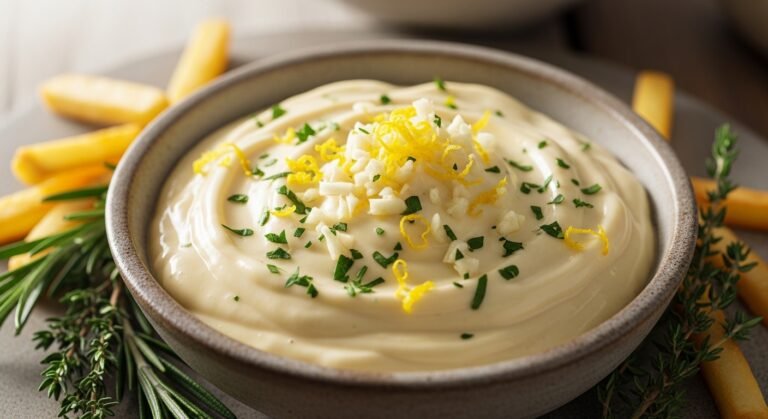
The sauce should be creamy, glossy, and bold—not watery or overly thick.
Why Brandy or Cognac Makes a Difference
You can skip alcohol, but your sauce will lose a huge chunk of flavor. The alcohol helps dissolve pepper oils, intensifies aroma, and gives the sauce a subtle sweetness. When reduced, the alcohol burns off but leaves behind complexity.
Choosing Cream Wisely
People get scared of using real heavy cream and try to substitute with milk or half-and-half. That’s exactly why their sauce becomes thin, grainy, or tasteless.
Use heavy cream because:
- It gives the correct thickness.
- It doesn’t curdle.
- It balances spicy pepper with richness.
Anything lighter creates a watery mess.
Best Stock for Peppercorn Sauce
Beef stock gives the sauce meatiness. Use:
- Homemade stock
- High-quality store-bought liquid stock
Avoid stock cubes if possible; they make the sauce too salty and artificial.
Variations That Actually Improve the Sauce
These aren’t gimmicks. They change the flavor profile in a meaningful way.
1. Classic Green Peppercorn Sauce
Use green peppercorns in brine. They’re softer, milder, and add elegance.
Add a splash of the brine to boost tanginess.
2. Garlic Peppercorn Sauce
Add 1–2 crushed garlic cloves with the shallots for a deeper, savory hit.
3. Mushroom Peppercorn Sauce
Sauté mushrooms before the shallots. Adds umami and earthiness.
4. Mustard Peppercorn Sauce
Add Dijon at the end. Sharper, brighter flavor that cuts through fatty steak.
5. No-Alcohol Version
Replace brandy with:
- 1 tbsp Worcestershire sauce
- 1 tbsp apple cider vinegar
Not as complex, but still solid.
Common Mistakes to Avoid
Most failures come from simple errors.
Overcooking the Cream
High heat breaks it. Always simmer gently, never boil hard.
Burning the Peppercorns
This adds bitterness. Warm them, don’t fry them.
Using Fine Pepper
You lose texture and flavor. Coarse peppercorns are mandatory.
Making It Too Thick
If it becomes paste-like, add 1–2 tbsp stock and whisk until smooth.
Seasoning Too Late
Salt balances the sauce early. Add a tiny pinch while simmering.
How to Pair Peppercorn Sauce with Steak
This sauce works best with bold, rich cuts:
- Ribeye
- New York strip
- Tenderloin/fillet
- Sirloin
- Tomahawk
How to Use It
- Spoon over the steak
- Serve in a small ramekin on the side
- Drizzle lightly so it complements, not smothers the meat
You want steak flavor first, sauce second.
Serving Tips That Elevate the Plate
Professional presentation is simple:
- Keep your sauce glossy
- Don’t drown the steak
- Add fresh cracked pepper on top
- Wipe plate edges for clean appearance
- Pair with roasted potatoes or sautéed vegetables
Clean plating makes the dish look expensive without effort.
Storing and Reheating
Peppercorn sauce stores well.
To Store
- Refrigerate in airtight container
- Keeps for 3–4 days
To Reheat
Low heat in a pan. Add 1 tbsp water or stock to loosen.
Microwaving makes it split—avoid if possible.
Nutritional Breakdown
This is a rich sauce. There’s no point pretending otherwise.
Expect:
- High fat (cream + butter)
- Moderate protein (from stock)
- Significant calories
But the flavor payoff is worth it, especially if you’re having steak anyway.
Final Thoughts
Peppercorn sauce is one of the few steak sauces that doesn’t overpower the meat. When made properly—with real cream, coarse pepper, and a good alcohol reduction—it transforms a simple steak into something restaurant-level. Don’t use cheap shortcuts and don’t rush the process. The right technique produces deep flavor, perfect texture, and a sauce that actually enhances the steak instead of masking it.