Rich Homemade Caramel Sauce Recipe for Desserts
Introduction to Homemade Caramel Sauce
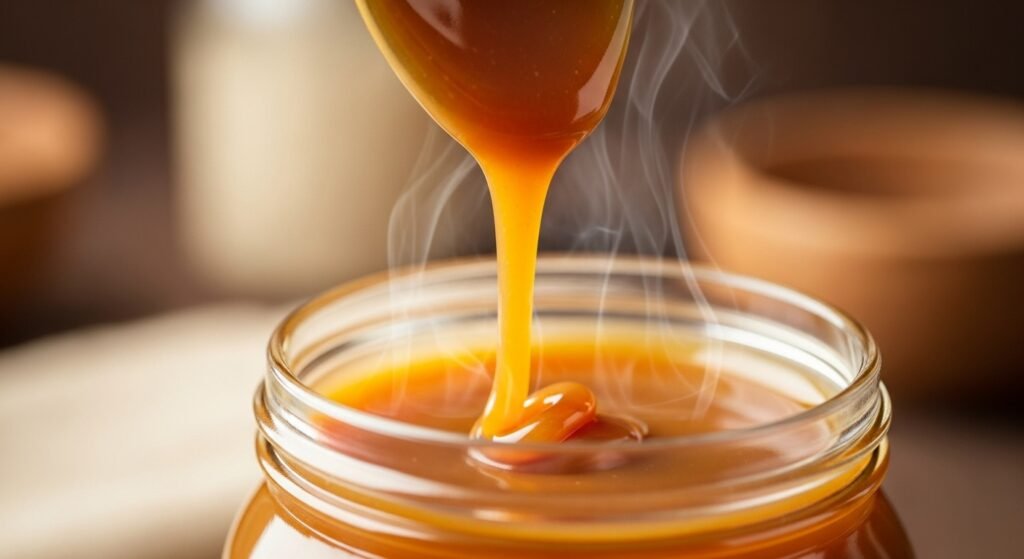
Store-bought caramel sauce is convenient, but let’s be blunt—it doesn’t come close to the richness and depth you get from a proper homemade version. A real caramel sauce has two things supermarkets can’t beat: freshness and control. You decide the sweetness, the consistency, and the flavor intensity. And once you learn the basics, you’ll stop wasting money on those thin, artificial-tasting bottles.
This caramel sauce recipe is your go-to for drizzling over ice creams, pancakes, waffles, brownies, cakes, coffees, and anything else that could use a hit of buttery sweetness. It takes just a few ingredients, a bit of patience, and the willingness to pay attention for 10 minutes. That’s it.
Let’s break down everything clearly so you don’t mess it up.
Why This Caramel Sauce Recipe Works
Caramel can intimidate beginners because sugar burns fast. But this recipe uses a straightforward wet-caramel method that gives you more control while cooking. You melt sugar with water, let it turn amber, then slowly incorporate butter and cream. The method is beginner-friendly, reliable, and produces a glossy, silky sauce every time.
Here’s why it works:
- Even heating: Water helps the sugar dissolve evenly.
- Less crystallization: Minimal stirring prevents sugar from seizing.
- Smooth texture: Butter + cream give the sauce richness and stability.
- Customizable: You can make it thicker, thinner, sweeter, or saltier.
Follow the steps and you won’t screw it up.
Ingredients You Need
Nothing fancy. Just basic pantry items:
- 1 cup granulated sugar
- 1/4 cup water
- 6 tablespoons unsalted butter (room temperature, cut into pieces)
- 1/2 cup heavy cream (slightly warmed)
- 1 teaspoon vanilla extract (optional but recommended)
- A pinch of salt (or more if making salted caramel)
These ingredients create a balanced caramel sauce—sweet, buttery, and perfectly pourable.
Step-by-Step Instructions (Full Breakdown)
1. Dissolve and Heat the Sugar
Combine the sugar and water in a medium saucepan. Heat over medium until the sugar dissolves completely.
Don’t stir once it starts boiling. Stirring encourages crystallization, which ruins the smoothness.
You can gently swirl the pan occasionally. That’s enough.
2. Wait for the Amber Color
As the water evaporates, the sugar will bubble and change color. It starts clear, then turns pale yellow, then deepens into a golden amber.
This is the critical moment. Watch it like a hawk. Walk away for even 10 seconds and you risk burning it.
Goal: Rich amber—not too dark, not too light.
Light = too sweet, weak flavor
Dark brown = bitter and burnt
3. Add the Butter
Once the sugar hits the perfect amber shade, immediately add the butter pieces. The mixture will bubble violently—totally normal. Stir until the butter melts into a smooth mixture.
4. Pour in the Warm Cream
Slowly pour in the warm heavy cream while whisking. If you dump it all at once, the caramel will seize and clump. Steady and slow is the rule.
The sauce will bubble again and rise in volume. Keep whisking until smooth.
5. Finish with Salt and Vanilla
Turn off the heat. Add vanilla and a pinch (or more) of salt.
Salt enhances flavor even if you don’t want true salted caramel.
6. Cool and Store
Let the sauce cool for 10–15 minutes. It thickens as it cools. Pour it into a glass jar and store it in the fridge for up to 2 weeks.
If it becomes too thick after chilling, microwave it for 10–20 seconds.
Consistency Guide (So You Don’t Mess It Up)
Caramel sauce changes thickness depending on temperature:
- Hot = thin, pourable
- Warm = thicker drizzle
- Chilled = spoon-scoopable
If your sauce is:
Too thin: Cook the final mixture for 1–2 minutes longer.
Too thick: Add 1–2 tablespoons warm cream.
Caramel is flexible—adjust it instead of remaking it.
Common Mistakes and How to Avoid Them
1. Stirring the sugar
Just don’t. You’ll create crystals. Swirl the pan instead.
2. Undercooking the caramel
If it’s too pale, it’ll taste like plain sugar syrup. Push it to a deeper amber for better flavor.
3. Burning the caramel
Once it gets dark, it burns fast. Kill the heat right when you see rich amber.
4. Adding cold cream
Cold cream shocks the caramel and makes it seize. Always warm it up.
5. Using salted butter
This throws off the flavor balance. Start with unsalted, add salt yourself.
How to Make Salted Caramel Sauce
If you prefer a bold, salty kick:
- Add 1/2 to 1 teaspoon fine sea salt
- Mix it in at the end
Don’t use table salt—it’s too sharp. Use fine sea salt or flaky salt for the best flavor.
How to Store and Reheat Caramel Sauce
You’re not making this every day, so storing it right matters.
Refrigerator
Lasts up to 14 days
Store in sealed glass jars (plastic absorbs smell)
Freezer
Lasts up to 2 months
Thaw in the fridge overnight, then warm gently.
Reheating
Microwave for 15 seconds
Or heat in a saucepan on low for 1–2 minutes
If it splits (rare), whisk vigorously to bring it back.
Creative Ways to Use Your Caramel Sauce
1. Drizzle for Desserts
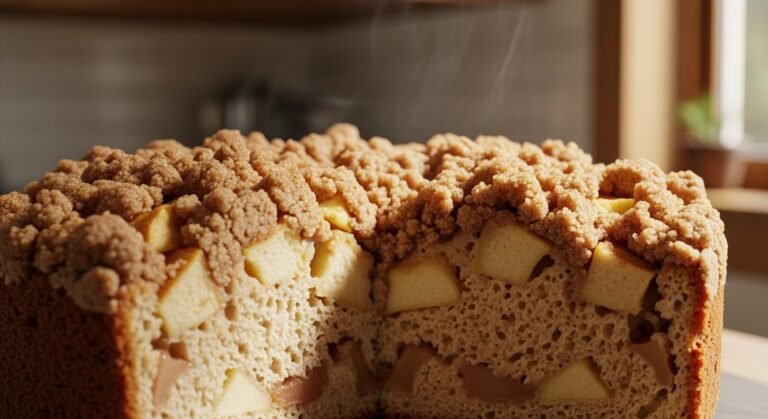
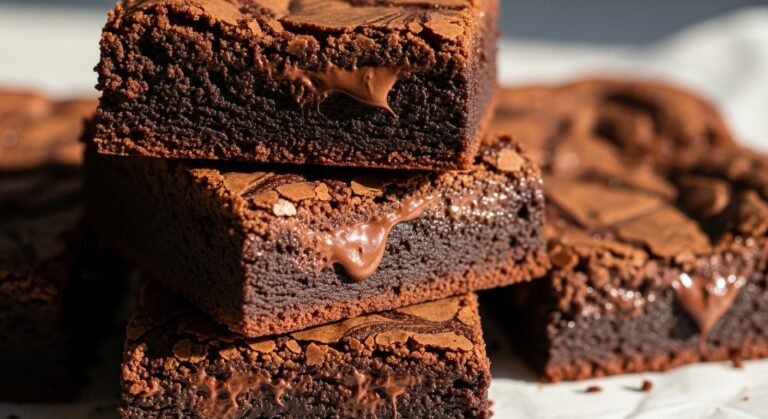
Ice cream, brownies, cheesecakes, banana splits—everything gets better.
2. Breakfast Upgrade
- Waffles
- Pancakes
- French toast
- Oatmeal
Add sliced bananas and nuts for bonus flavor.
3. Coffee Shop at Home
Make caramel lattes, caramel macchiatos, frappes, or iced coffees.
4. Dip for Fruits
Cut apples or pears—use this sauce as a dip. Simple and delicious.
5. Baked Goods
- Swirl into brownie batter
- In between cake layers
- On top of cupcakes
- Mixed into cookies
6. Holiday Gifting
Pour into small jars, add a label, tie a ribbon. Cheap but impressive.
Science Behind Caramel (Simple Explanation)
Sugar starts as sucrose. When heated, it breaks into glucose and fructose, which then caramelize. That’s when they develop complex flavors: nutty, buttery, toasty, and slightly bitter. This reaction begins around 320°F and fully develops by 350°F.
That’s why temperature matters. And why eyeballing the color is smarter than blindly following minutes.
Flavor Variations You Can Try
Once you master the base recipe, experiment:
Vanilla Caramel
Stir in vanilla seeds or extra extract.
Cinnamon Caramel
Add 1/2 teaspoon cinnamon at the end.
Bourbon Caramel
Add 1 tablespoon bourbon after removing from heat.
Chocolate Caramel
Whisk in 2 tablespoons cocoa powder with the cream.
Honey Caramel
Replace 1/4 cup sugar with honey for a floral twist.
Maple Caramel
Swap 2–3 tablespoons sugar with pure maple syrup.
Troubleshooting: Fixing Problems Quickly
Sugar crystallized
Start over. You can’t fix crystallization easily.
Caramel tastes burnt
You cooked it too long. Throw it and redo.
Caramel seized when adding cream
Warm the cream more next time. You can still rescue it by reheating and whisking.
Caramel is grainy
You stirred too much, or sugar was stuck on the pan walls. Use a wet pastry brush next time to wash down the sides.
Nutritional Info (Approx.)
Per tablespoon:
- Calories: 100
- Fat: 6g
- Carbs: 12g
- Sugar: 12g
It’s caramel—don’t expect it to be “healthy.” Enjoy it in moderation.
Final Thoughts
If you follow the instructions properly, this caramel sauce will come out smooth, rich, glossy, and way better than anything you can buy. The key is attention—10 focused minutes and zero guesswork.
Once you master this, you’ll never go back to store-bought again. And yes, this homemade caramel sauce can elevate even the simplest dessert into something impressive.