Southern-Style Collard Greens That Are Packed With Flavor
Collard Greens Recipe
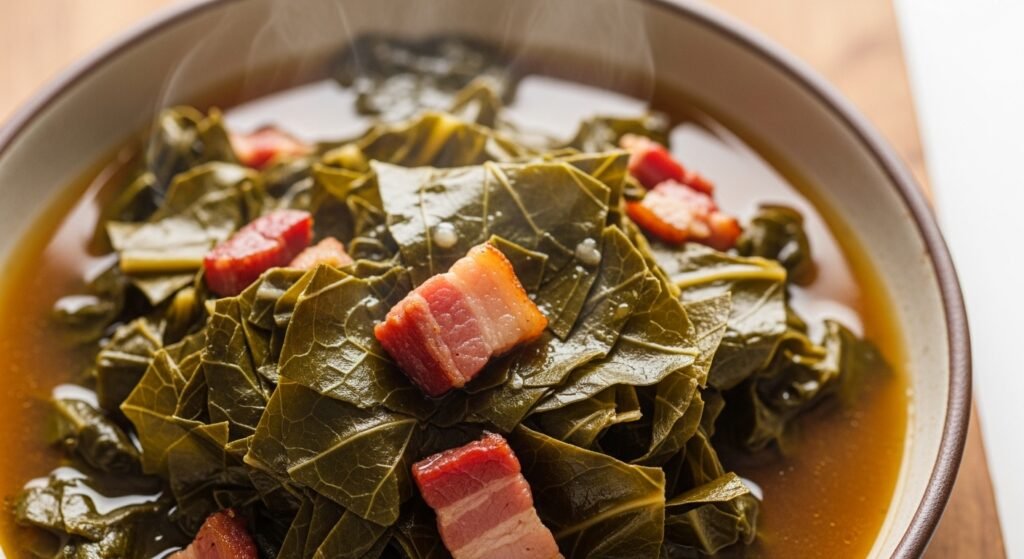
Collard greens are one of those dishes people think they understand until they cook them and realize they’ve been doing everything wrong—overcooking, under-seasoning, or turning them into a bitter, mushy mess. A proper collard greens recipe needs technique, not random guesses. This guide breaks down exactly how to cook flavorful, tender greens without killing the texture or the taste.
Why Collard Greens Matter
Collard greens aren’t just “another leafy green.” They’re sturdy, nutrient-dense, and absorb flavors better than spinach or kale. When cooked right, they turn soft, silky, and savory. When cooked wrong, they become dull, flat, and lifeless. Most people waste their greens by:
– Boiling to death
– Skipping aromatics
– Ignoring seasoning
– Rushing the process
– Not adding acidity
Collard greens need balance: salt for depth, fat for richness, spices for aroma, and acidity for brightness.
You don’t need a Southern grandmother to teach you this dish. You just need discipline, heat control, and a few well-chosen ingredients.
Ingredients That Actually Matter
Don’t overcomplicate it. These are the essentials:
- 1 large bunch collard greens
- 1 medium onion (yellow or white)
- 4–6 garlic cloves, minced
- 2 tbsp oil or 2 tbsp butter
- 1 smoked element (optional but recommended): smoked turkey tail, ham hock, bacon, or vegetarian liquid smoke
- 1–2 cups broth (vegetable or chicken)
- Salt and black pepper
- 1 tsp red pepper flakes (optional)
- 1 tsp paprika
- 1–2 tbsp vinegar (apple cider, white, or rice vinegar)
- 1 tsp sugar (optional but useful for balancing bitterness)
- Lemon wedge for finishing
If you want a richer flavor, add:
– A splash of hot sauce
– 1 tsp mustard
– 1 bay leaf
– A dash of soy sauce (umami booster)
How to Prep Collard Greens Without Screwing Them Up
This is where most people destroy flavor. Collard greens have tough stems and thick leaves. Prep them correctly or forget about getting good results.
- Wash thoroughly. Collard greens trap sand and dirt. Rinse them 3–4 times in a large bowl.
- Remove thick stems. Fold the leaf in half, cut out the stem, and keep only the leaf.
- Roll and slice (“chiffonade”). Roll the leaves tightly like a cigar, then slice into ribbons.
- Drain properly. Too much water = watered-down flavor. Let the leaves sit in a colander for a few minutes.
If you leave stems in, expect chewy, unpleasant bites. If you don’t wash thoroughly, you’ll eat dirt. Be precise.
Cooking Method That Doesn’t Fail
This recipe focuses on tenderness, depth, and balanced seasoning. Follow the steps exactly.
1. Build the flavor base
Heat oil or butter in a large pot. Add onions and sauté until soft, not browned. Browned onions change the flavor profile—good for curries, not for collard greens.
Add garlic and cook 30 seconds until fragrant.
If using smoked meat or bacon, add it now and let it render slightly.
This base sets the entire tone of the dish.
2. Add the spices
Add paprika, pepper, and red pepper flakes. Toast the spices lightly to release flavor.
If you skip this, your collard greens will taste flat. Seasoning the pot is non-negotiable.
3. Add the collard greens
Add the sliced collard greens in batches. They will shrink. Stir until everything is coated with the flavored oil and aromatics.
This step is important—don’t dump broth immediately. Give the greens a chance to absorb the base flavors.
4. Add broth and simmer
Pour in 1–2 cups broth, enough to partially cover the greens but not drown them. More liquid = soupy, flavorless greens.
Simmer on low, covered, for about 35–45 minutes. Check occasionally. You want them tender, not mushy.
If the greens still taste bitter after cooking, they’re either under-seasoned or undercooked. Adjust.
5. Add acidity and final balancing
Near the end of cooking, add vinegar. This step brightens the whole dish and removes any lingering bitterness. Lemon juice works too, but vinegar gives a more traditional punch.
Taste the greens. Adjust:
– More salt if flat
– More pepper if weak
– More vinegar if heavy
– A pinch of sugar if still bitter
Don’t skip balancing. It’s what takes greens from “okay” to “worth cooking again.”
6. Finish right
Once tender and flavorful, turn off heat. Add a squeeze of lemon. This final acidity is crucial.
If using smoked meat, remove bones and shred before serving.
Common Mistakes You Should Avoid
These errors ruin collard greens more than anything else:
1. Rushing the cooking process
These greens need time. If you cook them for only 10–15 minutes, they’ll taste like lawn clippings.
2. Adding no acid
Without vinegar or lemon, collard greens taste heavy, metallic, or bitter.
3. Using too much liquid
Greens shouldn’t swim in broth. They should braise, not boil.
4. Not seasoning early enough
If you only add salt at the end, everything tastes unbalanced.
5. Cooking with high heat
High heat toughens the leaves. You want a slow, steady simmer.
Variations That Actually Improve the Dish
1. Spicy Southern-Style Collard Greens
- Add more chili flakes
- Use smoked turkey or ham
- Add hot sauce before serving
This version has deep smoky flavor and a rich, savory broth.
2. Vegetarian Collard Greens
- Replace smoked meat with smoked paprika or liquid smoke
- Use vegetable broth
Still flavorful, still rich, no compromise.
3. Garlic Butter Collard Greens
Skip the smoked meats.
Use butter + garlic + lemon.
Lighter, brighter, perfect for people who hate bitterness.
4. Coconut Collard Greens
Add ½ cup coconut milk midway through cooking.
Adds creaminess and works surprisingly well.
5. Stir-Fried Quick Collard Greens
If you want a fast version:
- Stir-fry greens in a hot pan
- Add garlic and soy sauce
- Finish with lemon
This method keeps them vibrant with a slight bite.
How to Serve Collard Greens
Collard greens pair best with dishes that have weight or smokiness.
Great combinations:
– Roast chicken
– Grilled meat
– Barbecue
– Rice and beans
– Mashed potatoes
– Cornbread
– Fried fish
If you’re serving with rice, use the leftover broth as a drizzle. It’s full of flavor.
Storage and Reheating
Collard greens actually taste better the next day.
Storage:
– Refrigerate in an airtight container for up to 3 days.
– Freeze for up to 2 months.
Reheating:
– Reheat on low heat.
– Add a splash of water or broth if dry.
– Adjust seasoning after reheating; flavors mellow in the fridge.
Tips to Make Your Collard Greens Taste “Restaurant-Level”
This is where people level up:
Use broth, not plain water.
Water dilutes. Broth builds.
Always add acid at the end.
This brightens the dish.
Use a smoked element.
Gives depth and complexity.
Balance salt + acid + spice.
The trifecta of good greens.
Let them simmer slow.
Fast-cooked collards don’t absorb flavor.
Final Thought
Collard greens aren’t complicated—they just require patience, proper seasoning, and smart ingredient choices. When you follow these steps, you’ll end up with tender, flavorful greens that taste like a deliberate recipe, not an accidental pot of boiled leaves. This method works every single time because it pays attention to the fundamentals: heat control, flavor base, proper braising, and balanced finishing.