Best Lasagna Recipe With Ricotta: Creamy, Cheesy & Perfectly Layered Comfort Food
The Only Detailed Guide You Need for a Rich, Layered, Authentic Lasagna
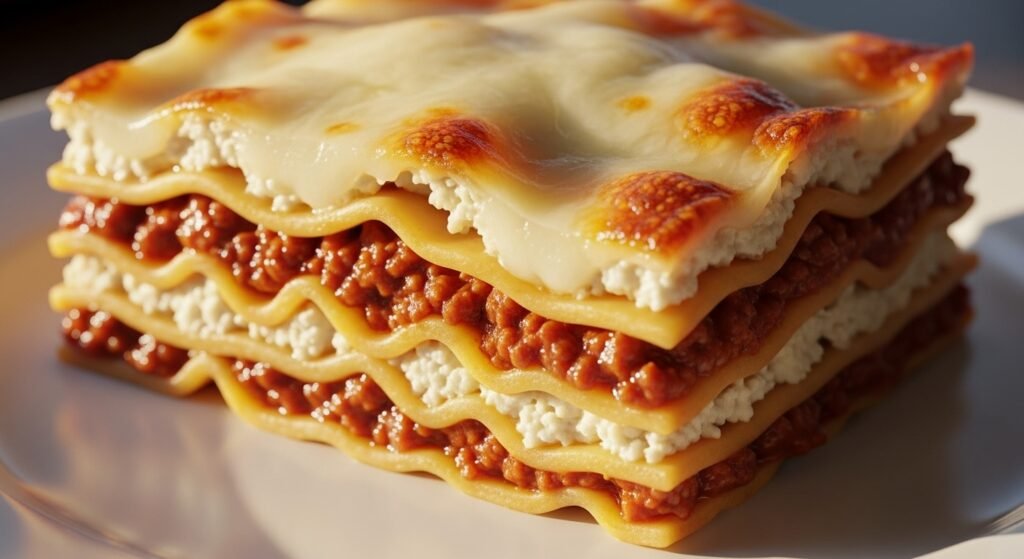
A proper lasagna recipe with ricotta is one of the most satisfying dishes you can cook, but a lot of people screw it up by treating it like a random layered casserole. Lasagna is not just pasta and sauce stacked together — it’s a controlled balance of moisture, textures, fat, cheese, and layering technique. Get any of those wrong and you end up with watery layers, rubbery cheese, or a collapsed mess.
This guide cuts the nonsense and explains exactly how to make a real, rich, thick, and sliceable lasagna with ricotta that actually holds its shape. If you want the good stuff — thick layers, creamy ricotta pockets, well-seasoned sauce, and tender noodles — follow this step-by-step breakdown without skipping or improvising.
Why Ricotta Matters in Lasagna
Ricotta is the key to a creamy, rich lasagna. Some people replace ricotta with cottage cheese or béchamel because they don’t understand what ricotta does:
- It adds soft creaminess between layers
- It binds well when mixed with egg
- It gives classic Italian-American flavor
- It makes each bite smooth instead of dense
If you skip ricotta or replace it with random substitutes, your lasagna will taste flat, watery, or overly cheesy in the wrong way.
Good ricotta should be:
- Thick
- Not watery
- Mildly sweet
- Grainy, not creamy like cream cheese
If it’s extremely wet, drain it using a fine mesh strainer for 20–30 minutes before using.
Ingredients You Need For a Proper Lasagna With Ricotta
Don’t cut corners here. Cheap sauce, cheap ricotta, or the wrong noodles make the difference between a premium lasagna and a disappointing, soggy one.
For the Meat Sauce
- Ground beef (80/20 recommended for flavor)
- Italian sausage (optional but adds flavor depth)
- Onion
- Garlic
- Tomato sauce or crushed tomatoes
- Tomato paste
- Olive oil
- Salt, pepper
- Basil and oregano
For the Ricotta Layer
- Ricotta cheese
- Egg
- Parmesan cheese
- Mozzarella (part goes here, part goes on top)
- Salt
- Parsley
For the Noodles
- Regular lasagna noodles (best texture)
or - Oven-ready noodles (convenient but slightly thinner texture)
Choose based on preference — both work, but regular noodles have more bite.
Step-by-Step Lasagna Recipe With Ricotta
Step 1: Make the Meat Sauce Properly
This step matters more than people think. The sauce should be thick, not watery.
- Heat olive oil in a large pan.
- Add onions and sauté until soft.
- Add garlic and cook lightly — don’t burn it.
- Add ground beef and sausage. Brown until no pink remains.
- Add salt, pepper, oregano, basil.
- Stir in tomato sauce and a spoon of tomato paste.
- Simmer for at least 15–20 minutes until thickened.
If your sauce is runny, your lasagna will collapse. Reduce until it’s thick and spoonable.
Step 2: Cook the Lasagna Noodles (If Using Regular Ones)
Cook them until slightly underdone.
If you cook them fully, they’ll turn mushy when baked.
Drain and lay flat on parchment or lightly oiled foil so they don’t stick.
Step 3: Prepare the Ricotta Mixture
This is where many people go wrong — they dump plain ricotta in layers and end up with flavorless pockets.
Correct mixture:
- Ricotta
- One egg
- Parmesan cheese
- Salt
- A handful of parsley
- Some mozzarella (optional)
Mix until combined but not runny.
This makes the ricotta creamy, seasoned, and able to hold its shape.
Step 4: Prepare the Baking Dish
Grease the dish lightly.
This prevents sticking and helps the bottom layer cook evenly.
Step 5: Layering the Lasagna Correctly
Layering is where you build structure and flavor. Sloppy layering = sloppy lasagna.
Correct order for each cycle:
- Sauce (thin layer)
- Noodles
- Ricotta mixture
- Sauce again
- Mozzarella cheese
Repeat until you reach the top edge.
The top layer should be:
- Sauce
- A generous layer of mozzarella
- A sprinkling of Parmesan
Do not put ricotta on the top layer.
Step 6: Bake the Lasagna
Bake covered with foil first, then uncovered.
- Cover & bake at 375°F (190°C) for 25–30 minutes
- Uncover and bake for another 15–20 minutes until bubbly and golden
The foil prevents cheese from burning and helps steam the layers evenly.
When you uncover it, the cheese melts and browns to perfection.
Step 7: Rest Before Slicing
This is the most ignored rule and the biggest reason lasagna collapses.
Let it rest for at least 15–20 minutes.
This allows the cheese and sauce to settle and firm up.
Cutting immediately will give you a sloppy mess.
Why This Lasagna Recipe Works
1. Balanced Fat Level
Ricotta + mozzarella + beef deliver richness without making it oily.
2. Thick Sauce
Controls moisture, prevents water puddles, and builds flavor.
3. Egg in Ricotta
Gives structure so your ricotta doesn’t ooze out when cut.
4. Proper Layering
Even distribution maintains shape and taste.
5. Controlled Baking
Keeps everything cooked without drying out or burning.
Common Mistakes People Make With Ricotta Lasagna
Mistake 1: Using Watery Ricotta
Drain it if needed.
Watery ricotta will ruin the lasagna.
Mistake 2: Overcooking Noodles
They continue cooking in the oven.
Undercook slightly.
Mistake 3: Thin Sauce
A watery sauce creates sloppy layers.
Always reduce sauce until thick.
Mistake 4: Skipping Rest Time
Lasagna needs to set.
If you cut too early, it collapses — always.
Mistake 5: Too Much Cheese on Top
Heavy toppings burn or become rubbery.
Use a controlled amount.
Variations That Actually Work
1. Spinach Ricotta Lasagna
Mix cooked spinach into the ricotta layer.
Drain spinach well or it adds water.
2. Four Cheese Lasagna
Add provolone and fontina to the cheese layers for extra richness.
3. Turkey or Chicken Lasagna
Use ground turkey or chicken for a lighter version.
4. Vegetarian Lasagna
Replace meat with mushrooms, zucchini, or roasted veggies.
5. Spicy Lasagna
Add red pepper flakes and spicy Italian sausage.
How to Store, Reheat, and Freeze Lasagna
Storing
- Refrigerate for 3–4 days
- Keep tightly sealed
Reheating
- Bake at 350°F for 15–20 minutes
or - Microwave on 70% power for even heating
Freezing
Lasagna freezes extremely well.
Freeze:
- Whole pans
- Individual slices
- Or pre-assembled but not baked
Thaw in the refrigerator before reheating for best texture.
How to Serve Lasagna Properly
Serve with:
- Garlic bread
- Green salad
- Roasted vegetables
- A simple vinaigrette
Don’t pair with heavy sides — lasagna is already rich.
Signs of a Perfect Ricotta Lasagna
You know your lasagna is done right if:
- It cuts cleanly
- The cheese is melted and slightly golden
- The layers are visible and firm
- The ricotta is creamy, not watery
- The sauce is rich, not runny
If yours doesn’t look like this, check your sauce consistency and layering next time.
Final Thoughts: The Real Secret Behind a Perfect Lasagna With Ricotta
Good lasagna is not complicated — it’s disciplined.
You need:
- thick sauce
- well-seasoned ricotta
- balanced layering
- controlled moisture
- resting time
Do these right, and you get a lasagna that tastes better than most restaurants — deeply flavored, cheesy, structured, and comforting.